 EN
EN

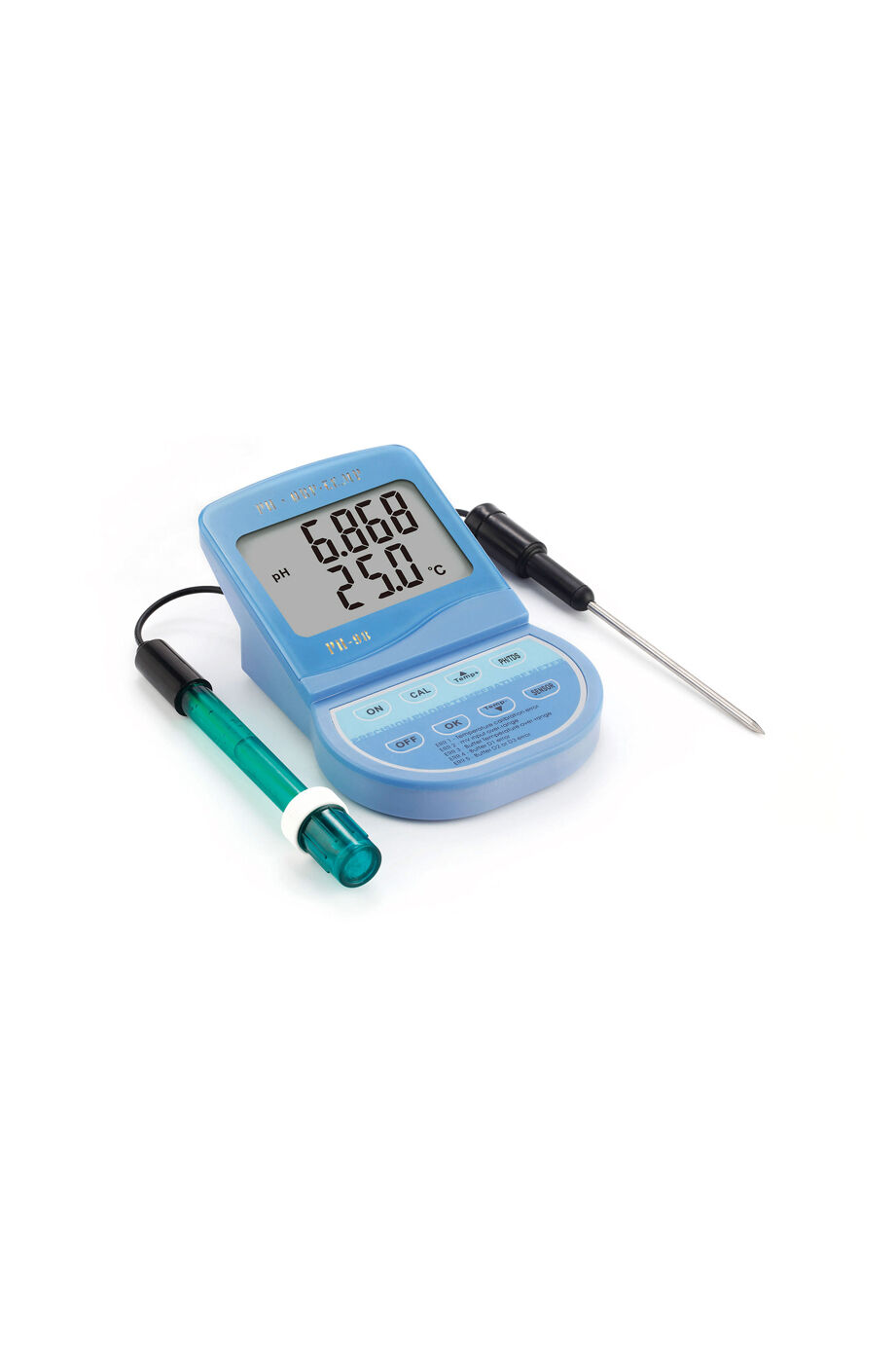
Bir pH metre, laboratuvar ortamlarının çok ötesine uzanan, günlük yaşamın çeşitli yönlerini önemli ölçüde iyileştirebilen pratik uygulamalar sunan vazgeçilmez bir araçtır. Sağlıklı hidrasyon yoluyla optimal sağlık sağlama ile ev mutfaklarında gıda güvenliğinin sağlanmasına kadar pH metreleri, sıradan insanlar için yakın çevreleriyle ilgili bilinçli kararlar alabilmelerini sağlayan kesin ölçümler sunar. pH metresinin günlük yaşamda pratik kullanım alanlarını anlamak, bireylerin su kalitesi, toprak sağlığı, gıda hazırlama ve kişisel refah gibi alanlarda bilimsel doğrulukla kontrol sahibi olmasını sağlar.
Modern pH metrelerinin çok yönlülüğü, onları günlük yaşamda kullanılan kimyasal dengeler hakkında gerçek zamanlı içgörüler sunan, evde kullanımı kolay araçlar haline getirir. Sağlıklı aralıkta olup olmadığını kontrol etmek için içme suyunu test etmekten, aile güvenliği açısından yüzme havuzunun kimyasal dengesini izlemeye ya da bitki gelişimini iyileştirmek için bahçe toprağının koşullarını optimize etmeye kadar bir pH metre, tahminleri ölçülebilir verilere dönüştürür. Bu pratik uygulamalar, bilimsel cihazların profesyonel laboratuvar çalışmaları ile günlük sorun çözme arasındaki farkı nasıl kapatıp kalite kontrolünü, veriye dayalı kararlar almaya istekli herkes için ulaşılabilir hale getirdiğini göstermektedir.
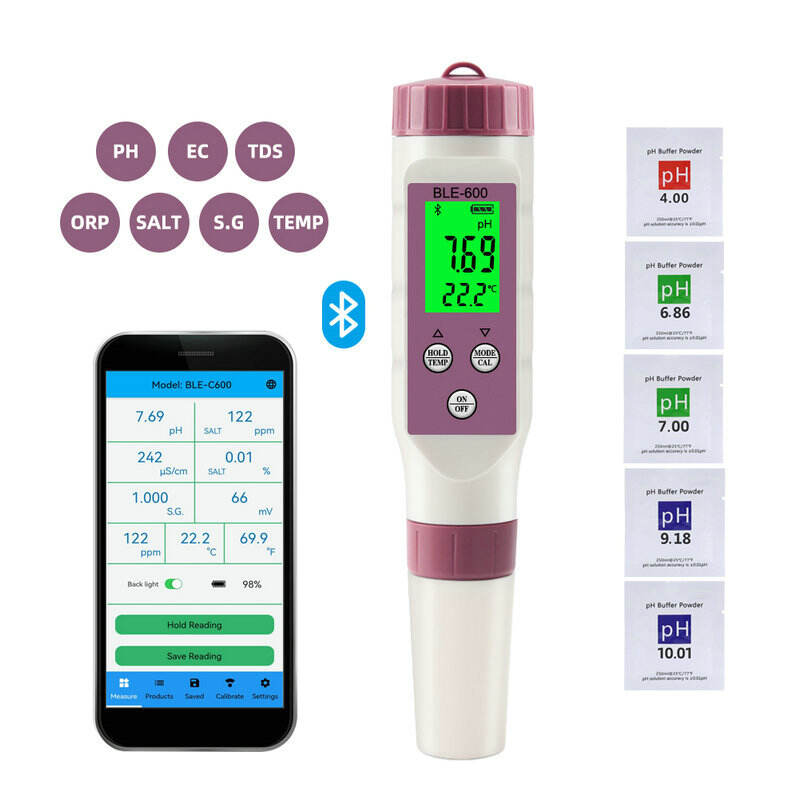
Su Kalitesi Testi ve Yönetimi
İçme Suyu Değerlendirmesi
Bir pH metre ile içme suyunun test edilmesi, günlük hidrasyon tercihlerini doğrudan etkileyen su güvenliği ve tat kalitesi hakkında kritik bilgiler sağlar. Belediye su tedarik sistemleri genellikle pH seviyelerini 6,5 ile 8,5 arasında tutar; ancak dağıtım sistemi sorunları, mevsimsel değişimler veya kaynak suyu dalgalanmaları nedeniyle bu değerlerde değişiklikler yaşanabilir. Bir pH metre, ev sahiplerinin musluk suyunun güvenli aralıkta olup olmadığını doğrulamasını ve sağlık veya tat tercihlerini etkilemeden önce olası sorunları tespit etmesini sağlar.
Kuyu suyu kullananlar, özel su kaynaklarının belediye sistemleri tarafından sağlanan sürekli izleme olanağından yoksun olmaları nedeniyle düzenli pH testlerinden özellikle fayda görür. pH değeri 6,5’in altındaki asidik su, metalik tat, borularda korozyon ve potansiyel sağlık sorunlarına neden olabilir; buna karşılık pH değeri 8,5’in üzerindeki alkalin su, mineral birikimi veya kirlenme sorunlarını gösterebilir. Bir pH metre kullanarak başlangıç ölçüm değerleri belirlemek ve zaman içindeki değişimleri takip etmek, ev sahiplerinin su kalitesi standartlarını korumasına ve ortaya çıkan sorunları erken tespit etmesine yardımcı olur.
Şişelenmiş su doğrulaması, bir pH metrenin değerli tüketici koruması sağlayan başka bir pratik uygulamadır. Alkalin veya saflaştırılmış su ile ilgili pazarlama iddiaları, doğrudan ölçüm yoluyla bağımsız olarak doğrulanabilir; böylece yüksek fiyatla satılan üRÜNLER ürünlerin vaat edilen pH özelliklerini gerçekten karşılayıp karşılamadığı teyit edilir. Bu test yeteneği, tüketiciyi reklam vaatleri yerine gerçek su kimyasına dayalı bilinçli satın alma kararları vermesine yardımcı olur.
Yüzme Havuzu ve Spa Bakımı
Havuz bakımı, yüzücülerin güvenliğini sağlamak ve ekipmanların ömrünü uzatmak için doğru pH ölçümüne büyük ölçüde bağlıdır; bu nedenle bir pH metre, herhangi bir havuz sahibi için temel bir araçtır. pH değerinin 7,2 ile 7,6 aralığında tutulması, klorun etkinliğini en üst düzeye çıkarırken, su çok asidik veya çok alkali hâle geldiğinde ortaya çıkan cilt ve göz tahrişini de önler. pH Meter pH metre, sorunlar ortaya çıkmadan önce havuz sahiplerinin kimyasal ayarlamaları tam olarak yapmalarını sağlar.
Daha yüksek su sıcaklıkları nedeniyle kimyasal reaksiyonları ve bakteri üremesini hızlandıran kapalı sıcak su havuzları (hot tub) ve spa ortamları, pH kontrolü açısından daha da hassas bir denge gerektirir. Bir pH metre, hem konfor hem de hijyen açısından ideal koşulları korumak için gerekli doğruluğu sağlar ve dengesiz su kimyasının yol açtığı cilt tahrişi ile ekipman hasarını önler. Dijital metrelere sahip olmak, anlık okumalar sunarak yoğun programlı ev sahipleri için sık test yapmayı pratik hâle getirir.
Mevsimsel havuz açma ve kapatma prosedürleri, kışlık hava koşulları ve kimyasal tedavilerin su kimyasını büyük ölçüde değiştirebilmesi nedeniyle pH metre kullanımıyla önemli ölçüde avantaj sağlar. İlkbahar başlangıcında yapılan testler, yüzücüler eklenmeden önce temel koşulları belirlemeye yardımcı olurken, sonbahar ölçümleri kışa hazırlık amacıyla kimyasal uygulamaları yönlendirir. Bu sistemli pH izleme yaklaşımı, ekipman ömrünü uzatır ve mevsimsel havuz bakımı için gereken süreyi ile maliyeti azaltır.
Gıda Hazırlama ve Güvenliği Uygulamaları
Fermentasyon ve Koruma Projeleri
Ekşi mayalı ekmek, kombucha ve fermente sebzeler gibi evde yapılan fermantasyon projeleri, hem güvenliği hem de istenen tat gelişimini sağlamak için belirli pH aralıklarına dayanır. Bir pH metre, fermantasyon ilerlemesini izlemek ve zararlı bakteri büyümesini engelleyen aynı zamanda faydalı mikroorganizmaları destekleyen asidik koşulları doğrulamak için gerekli olan hassasiyeti sağlar. Başarılı bir fermantasyon genellikle güvenlik açısından 4,6’nın altında pH seviyeleri gerektirir; bu nedenle gıda güvenliği açısından doğru ölçüm hayati öneme sahiptir.
Peynir yapımı ve yoğurt üretimi, pH metrenin tutarlı sonuçlar elde etmek ve optimal doku oluşturmak için kullanıldığı ileri düzey fermantasyon uygulamalarını temsil eder. Üretim sürecindeki çeşitli adımların zamanlaması, uygun kültür aktivitesini ve protein gelişimini gösteren belirli pH kilometre taşlarına ulaşmaya bağlıdır. Evde süt ürünleriyle uğraşan meraklılar, profesyonel teknikleri taklit etmek ve doğru gelişemeyen partileri sorun gidermek amacıyla pH metresi kullanır.
Turşu ve konserve işlemlerinde, korunmuş gıdaların uzun süreli depolama için güvenli kalmasını sağlamak amacıyla pH doğrulaması avantaj sağlar. Geleneksel tarifler, son ürünün güvenliğini etkileyebilecek malzeme asitliği veya su kimyasındaki değişiklikleri dikkate almayabilir. Bir pH metre, evde konserve yapan kişilerin, botulizm ve diğer gıda kaynaklı hastalıkları önlemek için gerekli asitlik seviyelerine ulaşıp ulaşmadıklarını doğrulamasını sağlar.
Pişirme ve Fırın İşlemlerinin Optimizasyonu
Ekmek yapımı, hamurun pH değişikliklerine tepki veren çok sayıda kimyasal reaksiyon içerir; bu nedenle pH ölçümü tutarlı sonuçlar elde etmek için değerli bir araçtır. Ekşi maya başlangıç kültürleri, karakteristik tatlar ve dokular yaratan sağlıklı maya ve bakteri popülasyonlarını sürdürmek için belirli pH aralıklarına ihtiyaç duyar. Profesyonel fırıncılar, başlangıç kültürünün sağlık durumunu izlemek ve asit gelişimine göre besleme programlarını ayarlamak amacıyla rutin olarak pH metrelere başvururlar.
Su kimyası, özellikle gluten gelişimini ve maya aktivitesini etkileyebilen çok sert veya çok yumuşak suya sahip bölgelerde ekmek ve pastane ürünlerinin sonuçlarını önemli ölçüde etkiler. Bir pH metre, fırıncıların suyla ilgili sorunları tespit etmesine ve su arıtımı veya tarif değişiklikleri yoluyla uygun ayarlamalar yapmasına yardımcı olur. Bu bilimsel yaklaşım, tutarsız sonuçlara yol açan tahmin işlerinden büyük bir kısmını ortadan kaldırır.
Farklı içecek türleri için optimum ekstraksiyon koşullarını sağlamak amacıyla suyun pH’sının test edilmesiyle kahvaltı ve çay hazırlama süreçleri geliştirilebilir. Kahvaltı demleme işlemi genellikle pH 6,5–7,0 civarında hafifçe asidik su ile daha iyi sonuç verirken, farklı çay çeşitleri en iyi tat ekstraksiyonu için farklı pH aralıklarını tercih edebilir. Ciddi kahvaltı meraklıları, demleme suyunu optimize etmek ve tutarlı fincan kalitesi elde etmek amacıyla pH metrelerini kullanır.
Bahçecilik ve Bitki Bakımı Geliştirilmesi
Toprak pH Analizi ve Düzeltilmesi
PH metre ile toprak analizi, bitkilerin mevcut besin maddelerine etkili bir şekilde erişip erişemeyeceğini ortaya çıkararak başarılı bahçecilik için temel bilgiler sağlar. Çoğu sebze ve çiçek, pH 6,0 ile 7,0 arasında hafifçe asidik ila nötr toprakta en iyi gelişim gösterir; buna karşılık yaban mersini ve azale gibi asit seven bitkiler pH 4,5 ile 5,5 aralığını tercih eder. Düzenli toprak analizi, bahçıvanların başlangıç koşullarını anlamalarına ve toprak iyileştirme çabalarının etkinliğini izlemelerine yardımcı olur.
Gübre etkinliği, besin maddesi kullanılabilirliğinin pH ölçeği boyunca büyük ölçüde değişmesi nedeniyle toprak pH’ına oldukça bağlıdır. Demir, manganez ve fosfor, alkalin topraklarda daha az kullanılabilir hâle gelirken, yüksek asitlik koşullarında alüminyum toksisitesi ortaya çıkabilir. Bir pH metre, bahçıvanların besin eksikliği belirtilerini teşhis etmelerine ve altta yatan pH sorunlarını gidermek için uygun gübreler veya toprak iyileştiricileri seçmelerine yardımcı olur.
Kompost kalitesi değerlendirmesi, çürüme süreci sırasında ve bahçede uygulamadan önce tamamlanmış kompostta pH izlemesinden yararlanır. İyi olgunlaşmış kompost genellikle bitmiş çürümeyi ve dengeli besin içeriğini gösteren yaklaşık 7,0 civarında nötr bir pH değerine ulaşır. Kompostun pH değerini test etmek, bahçıvanların bitkileri zarara uğratabilecek veya bahçe yataklarında besin dengesizliklerine neden olabilecek olgunlaşmamış kompost uygulamasını önlemelerine yardımcı olur.
Hidroponik ve İç Mekân Yetiştirme Sistemleri
Hidroponik sistemler, topraksız ortamlarda yetişen bitkilerin besin alımının en iyi düzeyde olmasını sağlamak için kesin pH kontrolü gerektirir. Çoğu hidroponik ürün, besin çözeltisinin pH değerinin 5,5 ile 6,5 arasında olması durumunda en iyi performansı gösterir; ancak bu dar aralık, bitkilerin besin ve su tüketimiyle birlikte sık izleme ve ayarlama gerektirir. Bir pH metre, başarılı hidroponik bahçecilik için gerekli doğruluğu sağlar ve pH değerinin optimal aralığın dışına çıkması durumunda meydana gelen besin kilitlemesini önler.
İç mekânda bitki bakımı, toprak ve su testi için pH metre kullanımıyla daha bilimsel hale gelir. Ev bitkileri, klor içerdiği veya belirli ihtiyaçlarına uygun olmayan pH seviyelerine sahip olduğu için genellikle musluk suyuyla mücadele eder. Sulama suyunun pH’sının test edilmesi ve gerekirse ayarlanması, iç mekânda bahçecilik yapan kişilerin bitkiler için optimal büyüme koşulları sağlamasını ve bitki sağlık sorunlarını daha etkili bir şekilde teşhis etmesini sağlar.
Akvakültür sistemleri, balık ve bitki üretimini entegre sistemlerde birleştiren yapılardır; burada pH düzeyi her iki bileşeni de etkiler. Balıkların sağlığı, türlerine özgü uygun pH seviyelerinin korunmasına bağlıdır; buna karşılık bitkiler, besin maddelerini emebilmeleri için farklı pH aralıklarına ihtiyaç duyar. Bir pH metre, akvakültür uygulayıcılarının bu çatışan ihtiyaçları dengelemesine ve sistemin zaman içinde dengeli kalmasını sağlamasına yardımcı olur.
Sağlık ve Kişisel Bakım Uygulamaları
Cilt Bakımı ve Kişisel Hijyen
Cilt sağlığını koruma avantajları, kişisel bakım ürünleri ve temizlik için kullanılan suyun pH değerini anlayarak sağlanır. Sağlıklı cilt, yararlı bakterileri destekleyen ve zararlı mikroorganizmalara karşı koruma sağlayan yaklaşık 5,5 civarında asidik bir pH değerine sahiptir. Cilt bakım ürünleri, bir pH metre ile test edilerek tüketiciye doğal cilt bariyer fonksiyonunu destekleyen, bozmayan formüllerin seçilmesine yardımcı olur.
Saç bakımının optimize edilmesi, saç sağlığı ve görünümü üzerinde önemli etkisi olan şampuanlar, kondisyonerler ve stil ürünleri gibi ürünlerin pH değerlerinin ölçülmesini içerir. Saç kutikulası, pH değişimlerine alkalik ortamlarda açılma, asidik ortamlarda kapanma şeklinde tepki verir. Ürünlerin pH değerini anlamak, tüketiciye istenen etkileri elde etmeyi sağlayan ancak uygun olmayan kimyasal koşullardan kaynaklanan hasarı en aza indiren tedaviler seçmelerine yardımcı olur.
Kendin Yap kişisel bakım ürünü oluşturma, evde yapılan formülasyonların güvenliğini ve etkinliğini sağlamak için pH testine dayanır. Doğal içeriklerin pH değerleri büyük ölçüde değişebilir; bu nedenle ürünün istenen şekilde çalışmasını ve kararlı kalmasını sağlamak amacıyla ölçüm yapmak zorunludur. Bir pH metre, üreticilerin gerçek pH okumalarına dayanarak ürünlerini güvenle hazırlamasını ve tariflerini varsayımlar yerine gerçek verilere göre ayarlamasını sağlar.
Vücut Kimyası İzleme
Tükürük pH testi, ağız sağlığı ile genel vücut kimyası hakkında bilgi verir ve beslenme ile yaşam tarzı seçimlerine rehberlik edebilir. Normal tükürük pH aralığı 6,2 ile 7,6 arasındadır; bu aralıkta yaşanan değişimler potansiyel sağlık sorunlarını veya beslenme dengesizliklerini gösterebilir. Bir pH metre ile düzenli izleme, bireylerin profesyonel tıbbi değerlendirme veya yaşam tarzı değişiklikleri gerektirebilecek değişimleri takip etmelerini sağlar.
İdrar pH ölçümü, evde kolayca izlenebilen vücut kimyası ve metabolik sağlık hakkında başka bir pencere sunar. İdrar pH'sı, beslenme ve hidrasyon durumuna bağlı olarak gün içinde değişkenlik gösterir; ancak normal aralıkların dışındaki tutarlı desenler altta yatan sağlık sorunlarını gösterebilir. Bir pH metre, pH şeritlerine kıyasla daha doğru ölçümler sağlar ve zaman içindeki değişimleri ayrıntılı şekilde takip etmenizi sağlar.
Spor beslenmesi optimizasyonu, yoğun egzersiz sonrası hidrasyon durumunu ve iyileşme ihtiyaçlarını değerlendirmek amacıyla pH izlemeyi dahil edebilir. Egzersiz kaynaklı asit üretimi vücuttaki pH dengesini etkiler ve bu değişimlerin izlenmesi, sporcuların beslenme zamanlamasını ve bileşimini optimize etmesine yardımcı olur. Ciddi sporcuların antrenman ve beslenme kararlarını ölçülebilir fizyolojik verilere dayandırabilmeleri için gerekli olan hassasiyeti pH metreleri sağlar.
SSS
Tüketici düzeyi pH metreleri, profesyonel laboratuvar cihazlarına kıyasla ne kadar doğrudur?
Tüketici pH metreleri, doğru şekilde kalibre edildiğinde ve uygun şekilde bakıldığında genellikle ±0,1 ila ±0,2 pH birimi aralığında doğruluk sağlar; bu da su testi, bahçecilik veya gıda hazırlama gibi günlük yaşam uygulamaları için yeterlidir. Profesyonel laboratuvar cihazları ±0,01 pH doğruluğuna ulaşabilir olsa da bu düzeyde hassasiyet, ev kullanımı için gereksizdir. Tüketici sınıfı cihazlarla elde edilen doğruluğun anahtarı, standart tampon çözeltileri kullanılarak düzenli kalibrasyon yapılması ve elektrot fonksiyonunun korunması için uygun depolama tekniklerinin uygulanmasıdır.
Güvenilir günlük kullanım için bir pH metre hangi bakım işlemlerini gerektirir?
pH metre bakımının düzenli olarak yapılması, sık kullananlar için haftalık 7.0 pH tampon çözeltisi ile kalibrasyon, ara sıra kullananlar için aylık kalibrasyon ve elektrotun saklama çözeltisinde veya damıtılmış suda uygun şekilde saklanmasını içerir. Elektrot, ölçümler arasında damıtılmış su ile durulanmalı ve birikme meydana gelirse yumuşak bir fırça ile nazikçe temizlenmelidir. Çoğu tüketici pH metresinde düzenli kullanımda elektrot değişimi 12-18 ayda bir gereklidir, ancak uygun bakım elektrot ömrünü önemli ölçüde uzatabilir.
PH metrelere tüm sıvılar güvenle test edilebilir mi?
pH metreleri, su, gıda ürünleri, toprak süspansiyonları ve biyolojik örnekler de dahil olmak üzere çoğu sulu çözeltiyi güvenle test edebilir; ancak cam elektrodu hasara uğratabilecek güçlü asitler, bazlar veya organik çözücülerle kullanılmamalıdır. 80 °C üzerindeki sıcak sıvılar da, ölçüm cihazı özellikle yüksek sıcaklık uygulamaları için tasarlanmadıkça standart elektrotlara zarar verebilir. Her zaman sıcak örnekleri test etmeden önce oda sıcaklığına soğutmak gerekir; ayrıca petrol bazlı ürünler veya yoğun temizlik kimyasalları ile test yapmaktan kaçınmak gerekir.
PH ölçüm cihazımın okumalarının güvenilir olduğunu nasıl anlarım?
Güvenilir pH ölçüm sonuçları, genellikle pH 4.0, 7.0 ve 10.0 standartları olan bilinen tampon çözeltilerle düzenli kalibrasyon ile sağlanır. Eğer cihaz doğru şekilde kalibre edilemiyorsa veya kalibrasyonlar arasında önemli bir kayma gözleniyorsa, elektrot değiştirilmeli ya da cihaz servis görmelidir. Okumaların doğruluğunu kontrol etmek için arada bir pH test şeritleriyle çapraz kontrol yapılması faydalı olabilir; ancak şeritler, uygun şekilde bakımı yapılan elektronik ölçüm cihazlarına kıyasla daha az hassastır.