 EN
EN

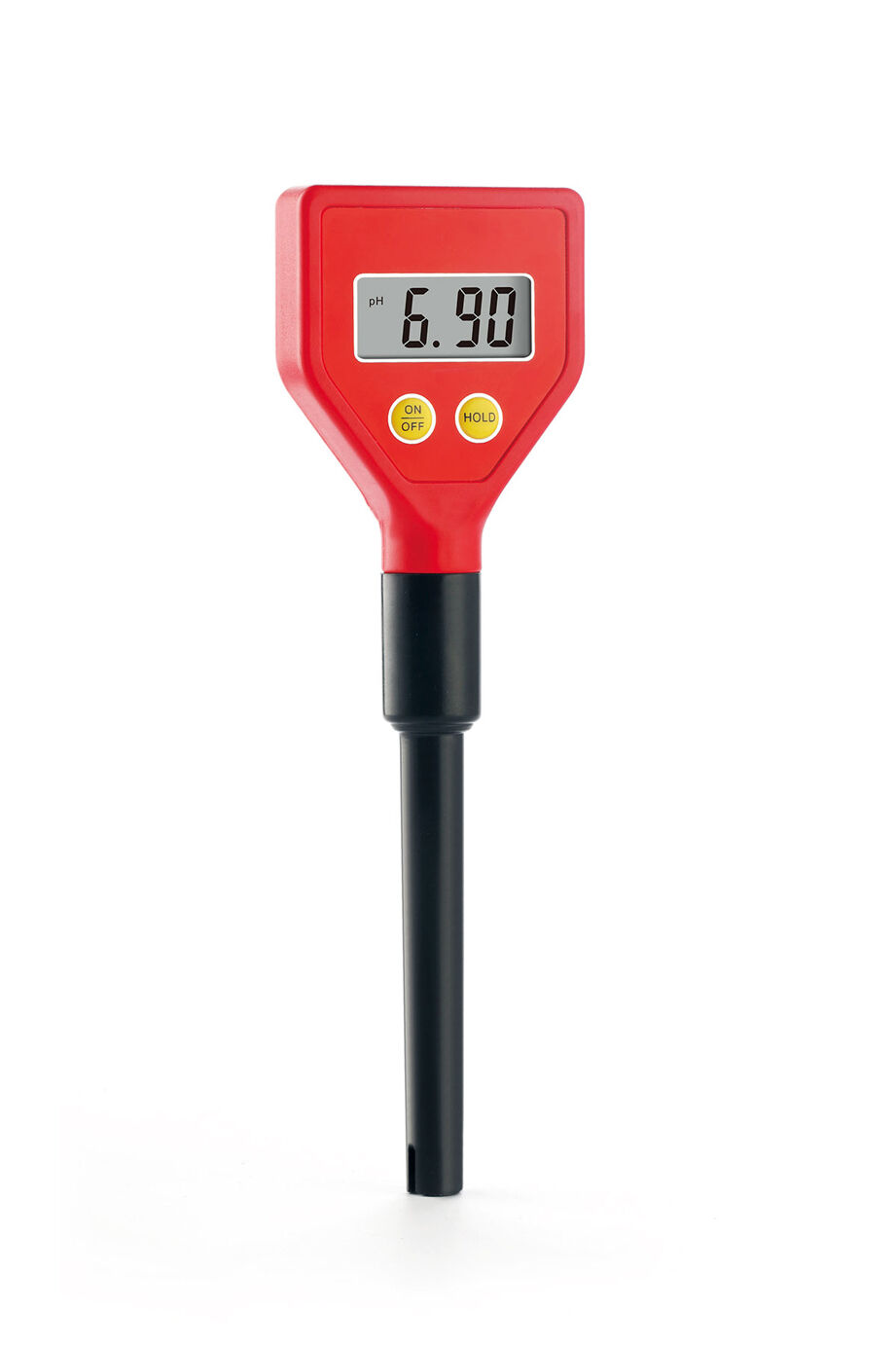
pH electrodes represent the fundamental technology behind every accurate pH measurement system in modern laboratories, industrial processes, and water quality monitoring applications. These sophisticated sensors function as the critical interface between chemical solutions and digital measurement systems, converting hydrogen ion activity into electrical signals that can be precisely quantified and analyzed.
The precision and reliability of pH electrodes directly determine the accuracy of countless analytical procedures, from pharmaceutical quality control to environmental monitoring and food safety testing. Understanding what makes these devices essential requires examining their unique electrochemical properties, construction principles, and the specific advantages they provide over alternative pH measurement methods in demanding industrial and scientific applications.
The Electrochemical Foundation of pH Electrode Technology
Ion-Selective Membrane Functionality
The core principle that makes pH electrodes indispensable for precise measurements lies in their ion-selective glass membrane technology. This specialized glass membrane contains a unique composition of silica, sodium oxide, and calcium oxide that creates selective binding sites for hydrogen ions. When the electrode contacts a solution, hydrogen ions interact with these binding sites, generating a potential difference directly proportional to the solution's pH level.
The selectivity coefficient of quality pH electrodes ensures that the membrane responds primarily to hydrogen ions while maintaining minimal interference from other ionic species present in complex solutions. This selectivity is crucial for maintaining measurement accuracy in industrial applications where multiple ionic compounds may be present simultaneously.
Advanced pH electrodes incorporate specialized glass formulations that enhance membrane durability and extend operational lifetime in challenging environments. The membrane thickness and composition are precisely controlled during manufacturing to optimize both sensitivity and mechanical stability under varying temperature and pressure conditions.
Reference System Integration
Modern pH electrodes integrate a stable reference system that provides the constant potential required for accurate pH calculations. The reference electrode typically contains a silver/silver chloride element immersed in a potassium chloride solution, creating a stable electrochemical reference point that remains consistent across different measurement conditions.
The junction between the reference system and the sample solution must maintain ionic continuity while preventing contamination of the reference electrolyte. High-quality pH electrodes employ specialized junction designs that optimize ion flow while minimizing diffusion-related drift over extended measurement periods.
Temperature compensation capabilities built into modern pH electrodes automatically adjust for the temperature-dependent changes in electrode response, ensuring consistent accuracy across varying thermal conditions commonly encountered in industrial processes.
Superior Precision Characteristics of pH Electrodes
Measurement Resolution and Accuracy
pH electrodes achieve measurement precision levels that significantly exceed those possible with alternative pH determination methods such as colorimetric indicators or paper-based test strips. Modern glass electrode systems can resolve pH differences as small as 0.01 pH units, with accuracy specifications typically within ±0.02 pH units when properly calibrated and maintained.
The linear response characteristics of pH electrodes across the full pH range from 0 to 14 ensure consistent accuracy whether measuring highly acidic, neutral, or strongly alkaline solutions. This linear relationship between electrode potential and pH value enables direct digital conversion and real-time monitoring capabilities essential for process control applications.
Advanced signal processing electronics integrated with modern pH electrodes provide enhanced noise rejection and signal stabilization, further improving measurement precision in electrically noisy industrial environments where electromagnetic interference might affect sensor performance.
Response Time and Stability
The rapid response characteristics of pH electrodes make them essential for dynamic monitoring applications where pH changes occur quickly. Quality glass electrodes typically reach 95% of their final reading within 30 seconds of immersion in a new solution, enabling real-time process control and immediate detection of pH variations.
Long-term stability represents another critical advantage of pH electrodes over alternative measurement methods. Properly maintained electrodes can provide consistent performance for months or years, with drift rates typically less than 0.02 pH units per month when used within specified operating parameters.
The thermal stability of glass membrane pH electrodes allows accurate measurements across wide temperature ranges, typically from 0°C to 100°C, without significant changes in calibration or response characteristics. This temperature tolerance is essential for applications involving heated processes or environmental monitoring in varying climatic conditions.
Critical Applications Requiring pH Electrode Precision
Industrial Process Control
Manufacturing processes across pharmaceutical, chemical, food and beverage, and water treatment industries rely on pH electrodes for maintaining product quality and process efficiency. These applications demand the high precision and reliability that only electrochemical pH measurement can provide, particularly when dealing with expensive raw materials or critical safety requirements.
Continuous monitoring capabilities of pH electrodes enable automated process control systems to maintain optimal conditions without constant manual intervention. The electrical output signal from pH electrodes integrates seamlessly with programmable logic controllers and distributed control systems used in modern manufacturing facilities.
Process validation requirements in regulated industries such as pharmaceuticals necessitate the documented accuracy and traceability that pH electrodes provide through their calibration records and measurement logs. Alternative methods cannot meet these stringent documentation and validation requirements.
Environmental and Water Quality Monitoring
Environmental monitoring programs rely extensively on pH electrodes for assessing water quality in natural systems, wastewater treatment facilities, and drinking water distribution networks. The precision required for detecting subtle environmental changes demands the accuracy that only electrochemical measurement can provide.
Remote monitoring applications utilize pH electrodes in automated data collection systems that operate unattended for extended periods. The stability and reliability of these sensors enable continuous environmental monitoring programs that generate crucial data for environmental protection and regulatory compliance.
Multi-parameter water quality monitoring stations integrate pH electrodes with other sensors to provide comprehensive water quality assessment capabilities. The standardized electrical outputs and communication protocols of modern pH electrodes facilitate integration with telemetry systems for real-time data transmission and analysis.
Technical Advantages Over Alternative pH Measurement Methods
Quantitative Precision Versus Qualitative Indicators
While colorimetric pH indicators and test papers provide qualitative pH assessment, only pH electrodes deliver the quantitative precision required for analytical and industrial applications. The numerical accuracy of electrode measurements enables statistical process control, trend analysis, and precise documentation of chemical conditions.
The subjective interpretation required for colorimetric methods introduces operator variability and limits measurement reproducibility. pH electrodes eliminate this subjectivity through direct electrical signal generation that produces consistent, operator-independent results across different users and measurement sessions.
Complex sample matrices, colored solutions, or turbid samples that interfere with visual indicator methods pose no measurement challenges for pH electrodes. The electrochemical measurement principle functions independently of sample appearance, enabling accurate pH determination in samples where visual methods fail completely.
Digital Integration and Automation Compatibility
Modern analytical and industrial systems require digital measurement data for integration with laboratory information management systems, process control networks, and quality assurance databases. pH electrodes provide direct electrical signals that interface seamlessly with digital measurement and control systems without manual data entry or transcription errors.
Automated sampling systems and robotic analytical platforms can utilize pH electrodes for unattended operation, enabling 24-hour monitoring and analysis capabilities impossible with manual indicator methods. This automation capability is essential for high-throughput analytical laboratories and continuous manufacturing operations.
Data logging and trend analysis capabilities inherent in electronic pH measurement systems provide valuable process insights and enable predictive maintenance strategies that optimize operational efficiency and prevent measurement system failures before they impact production quality.
FAQ
How do pH electrodes maintain accuracy in complex sample matrices?
pH electrodes maintain accuracy in complex samples through their ion-selective glass membrane technology that responds specifically to hydrogen ion activity while minimizing interference from other dissolved species. The reference electrode system provides a stable potential baseline, and modern electrodes include built-in temperature compensation to account for thermal effects on measurement accuracy.
What factors determine the lifespan of pH electrodes in industrial applications?
The operational lifespan of pH electrodes depends on several factors including sample temperature, chemical compatibility with measured solutions, mechanical stress from flow or agitation, and maintenance procedures. Proper electrode selection for specific applications, regular calibration, appropriate storage protocols, and protection from extreme conditions significantly extend electrode service life, typically ranging from several months to over a year in industrial environments.
Why are pH electrodes preferred over colorimetric methods in regulated industries?
Regulated industries prefer pH electrodes because they provide quantitative, traceable measurements with documented accuracy and precision that meet validation requirements. Unlike colorimetric methods that rely on subjective interpretation, pH electrodes generate objective numerical data with calibration records, measurement logs, and statistical analysis capabilities required for regulatory compliance and quality assurance documentation.
Can pH electrodes function accurately in extreme temperature or pressure conditions?
Specialized pH electrodes designed for extreme conditions can operate accurately in temperatures ranging from below freezing to over 130°C and pressures up to several atmospheres, depending on their construction materials and design specifications. These rugged electrodes incorporate reinforced glass membranes, pressure-resistant housings, and specialized reference systems that maintain measurement integrity under challenging environmental conditions typical of industrial processes.
Table of Contents
- The Electrochemical Foundation of pH Electrode Technology
- Superior Precision Characteristics of pH Electrodes
- Critical Applications Requiring pH Electrode Precision
- Technical Advantages Over Alternative pH Measurement Methods
-
FAQ
- How do pH electrodes maintain accuracy in complex sample matrices?
- What factors determine the lifespan of pH electrodes in industrial applications?
- Why are pH electrodes preferred over colorimetric methods in regulated industries?
- Can pH electrodes function accurately in extreme temperature or pressure conditions?