 EN
EN

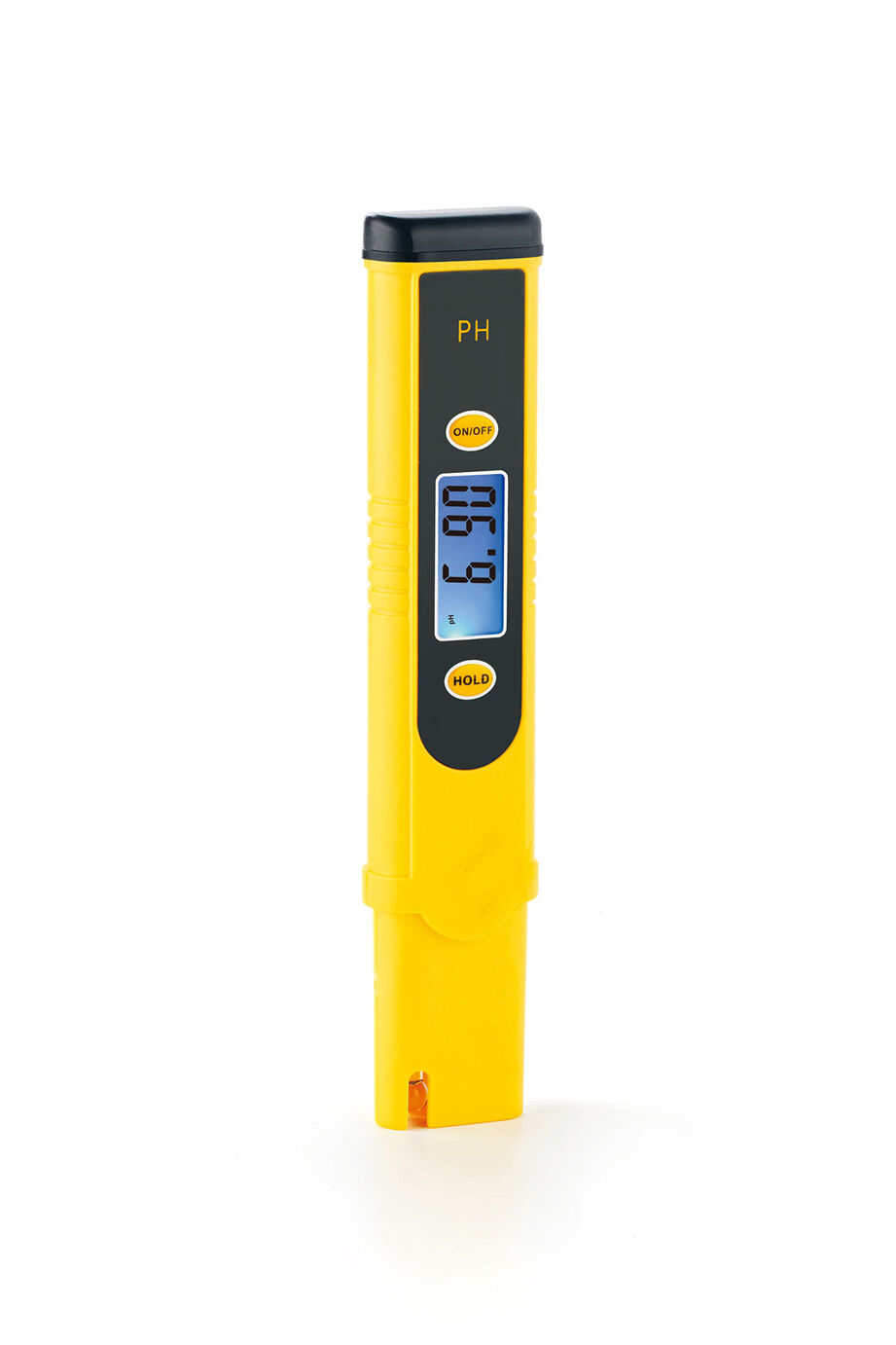
Digital pH meters have revolutionized the way we measure acidity and alkalinity in both home and laboratory environments, but their accuracy remains a crucial consideration for users across different applications. Understanding the precision capabilities of digital pH meters helps determine whether these instruments can reliably deliver the measurement quality required for your specific testing needs, whether you're monitoring pool water chemistry, testing soil conditions, or conducting precise laboratory analyses.
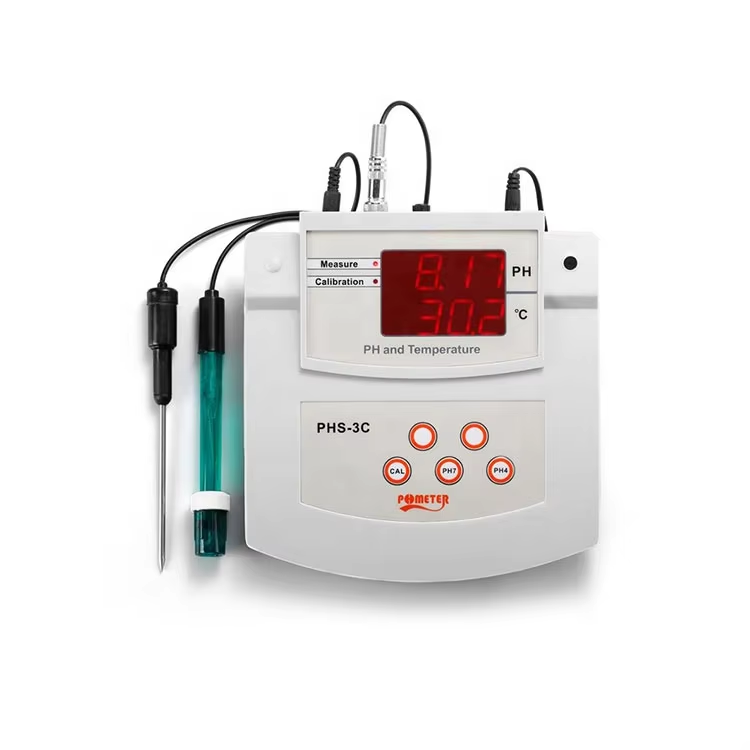
The accuracy of digital pH meters varies significantly based on their design specifications, calibration status, and intended application, with professional laboratory-grade instruments typically achieving accuracy levels of ±0.01 pH units while consumer-grade models may offer accuracy ranging from ±0.1 to ±0.2 pH units. This variation in precision performance directly impacts the reliability of measurements and determines the suitability of different digital pH meters for various testing scenarios, making accuracy assessment a fundamental factor in instrument selection and application success.
Understanding Digital pH Meter Accuracy Specifications
Measurement Precision Standards
Digital pH meters achieve their accuracy through sophisticated electronic sensing systems that convert chemical activity into measurable electrical signals, with precision levels clearly defined by manufacturer specifications and industry standards. Laboratory-grade digital pH meters typically demonstrate accuracy ratings of ±0.01 to ±0.02 pH units, representing the highest precision available for critical analytical work where small measurement variations can significantly impact results and conclusions.
Professional digital pH meters designed for research and quality control applications incorporate advanced signal processing technologies, temperature compensation algorithms, and high-resolution analog-to-digital converters that enable consistently accurate measurements across wide pH ranges. These instruments undergo rigorous calibration procedures using certified buffer solutions and maintain their accuracy through sophisticated internal diagnostics that monitor electrode condition, temperature stability, and electronic drift over time.
Consumer-grade digital pH meters, while offering lower absolute precision, still provide reliable accuracy for most home and general testing applications, with typical specifications ranging from ±0.1 to ±0.2 pH units when properly calibrated and maintained. This accuracy level proves sufficient for applications like pool water testing, hydroponic nutrient monitoring, and basic soil analysis where precise chemical control requirements are less stringent than laboratory research standards.
Factors Affecting Measurement Accuracy
Temperature variations significantly influence the accuracy of digital pH meters because pH values are inherently temperature-dependent, requiring automatic temperature compensation (ATC) features to maintain measurement precision across different environmental conditions. Advanced digital pH meters incorporate temperature sensors that continuously monitor solution temperature and apply mathematical corrections to ensure accurate pH readings regardless of thermal fluctuations during testing procedures.
Electrode condition represents another critical factor determining measurement accuracy, as pH electrodes gradually degrade through normal use and exposure to various chemical environments, potentially introducing measurement errors if not properly maintained or replaced when necessary. Digital pH meters with electrode diagnostic capabilities can alert users to electrode problems before accuracy degradation becomes significant, helping maintain reliable measurement performance throughout the instrument's operational life.
Solution characteristics, including ionic strength, viscosity, and the presence of interfering substances, can affect the accuracy of digital pH meters by altering electrode response patterns and introducing measurement uncertainties that may exceed instrument specifications. Understanding these solution effects helps users select appropriate measurement techniques and interpret results accurately within the context of their specific testing requirements and sample characteristics.
Laboratory Applications and Accuracy Requirements
Research and Analytical Testing
Laboratory research applications demand the highest accuracy levels from digital pH meters, with precision requirements often exceeding ±0.01 pH units for pharmaceutical development, environmental analysis, and quality control testing where measurement uncertainty directly affects product safety and regulatory compliance. Research-grade digital pH meters incorporate multiple calibration points, advanced electrode technologies, and sophisticated data logging capabilities that ensure measurement traceability and documentation for critical analytical work.
Pharmaceutical laboratories rely on highly accurate digital pH meters for formulation development, stability testing, and batch release testing where pH variations of 0.05 units or less can indicate significant changes in product quality or therapeutic effectiveness. These applications require digital pH meters with documented calibration procedures, measurement uncertainty calculations, and compliance with Good Manufacturing Practice (GMP) standards that govern pharmaceutical testing equipment.
Environmental testing laboratories utilize precision digital pH meters for water quality assessment, soil analysis, and environmental compliance monitoring where accurate pH measurements support regulatory reporting and environmental protection decisions. The accuracy requirements for these applications typically range from ±0.02 to ±0.05 pH units, depending on specific testing protocols and regulatory standards governing environmental monitoring programs.
Quality Control and Process Monitoring
Industrial quality control applications require digital pH meters that maintain consistent accuracy throughout extended measurement campaigns, with precision specifications tailored to specific process control requirements and product quality standards. Manufacturing processes often specify pH control tolerances that demand measurement accuracy levels ranging from ±0.05 to ±0.1 pH units, requiring digital pH meters with robust calibration stability and reliable long-term performance characteristics.
Food and beverage industry applications utilize digital pH meters for product safety testing, fermentation monitoring, and shelf-life determination where pH accuracy directly impacts consumer safety and product quality. These applications typically require measurement accuracy of ±0.02 to ±0.05 pH units, with digital pH meters providing the precision needed for regulatory compliance and quality assurance programs.
Chemical processing industries depend on accurate digital pH meters for reaction monitoring, product purification, and waste treatment control where pH variations can affect product yield, purity, and environmental compliance. The accuracy requirements for these applications vary widely based on specific process chemistry, but typically range from ±0.02 to ±0.1 pH units depending on the sensitivity of chemical reactions and environmental discharge limits.
Home and Field Use Accuracy Performance
Consumer Applications and Expectations
Home users of digital pH meters typically require accuracy levels suitable for pool maintenance, gardening applications, and water quality testing where measurement precision of ±0.1 to ±0.2 pH units provides adequate information for decision-making and system control. Consumer-grade digital pH meters achieve these accuracy levels through simplified electrode designs and basic calibration procedures that balance measurement precision with ease of use and affordability.
Swimming pool testing represents one of the most common home applications for digital pH meters, where accuracy requirements of ±0.2 pH units enable effective chemical balance maintenance and swimmer safety without demanding laboratory-grade precision or complex calibration procedures. Digital pH meters designed for pool testing incorporate waterproof housings, simple operation procedures, and calibration systems optimized for the pH range typically encountered in treated water systems.
Hydroponic and aquaculture applications benefit from digital pH meters offering accuracy levels of ±0.1 pH units or better, providing the precision needed to maintain optimal growing conditions for plants and aquatic organisms while remaining accessible to hobbyists and small-scale producers. These applications require digital pH meters with stable calibration, reasonable drift characteristics, and durability suitable for regular use in agricultural environments.
Portable and Field Measurement Accuracy
Field testing applications present unique challenges for digital pH meters, as environmental conditions, sample variability, and limited calibration resources can impact measurement accuracy compared to controlled laboratory settings. Portable digital pH meters designed for field use typically achieve accuracy specifications of ±0.1 to ±0.2 pH units while incorporating features like automatic temperature compensation, ruggedized construction, and simplified calibration procedures suitable for outdoor testing conditions.
Water quality testing in streams, lakes, and groundwater monitoring applications requires digital pH meters that maintain accuracy despite temperature fluctuations, sample turbidity, and extended deployment periods. Field-grade digital pH meters incorporate compensation algorithms and electrode technologies that minimize environmental interference while providing measurement accuracy sufficient for environmental assessment and regulatory compliance reporting.
Soil testing applications utilize digital pH meters capable of accurate measurements in complex sample matrices containing organic matter, varying moisture content, and diverse chemical compositions that can challenge electrode performance. Specialized digital pH meters for soil analysis incorporate electrode designs and measurement protocols optimized for direct soil contact or soil slurry testing while maintaining accuracy specifications appropriate for agricultural decision-making.
Calibration and Maintenance Impact on Accuracy
Calibration Procedures and Frequency
Regular calibration represents the most critical factor in maintaining the advertised accuracy of digital pH meters, with calibration frequency requirements varying based on measurement precision needs, sample characteristics, and instrument usage patterns. Laboratory digital pH meters typically require daily calibration using certified buffer solutions to maintain accuracy specifications, while consumer-grade units may maintain acceptable accuracy with weekly or monthly calibration depending on usage intensity and measurement requirements.
Multi-point calibration procedures using buffer solutions spanning the expected measurement range provide the highest accuracy for digital pH meters, with three-point calibration (pH 4.01, 7.00, and 10.01) representing the standard approach for most analytical applications. Advanced digital pH meters offer automated calibration recognition, calibration curve validation, and calibration reminder systems that help users maintain measurement accuracy through proper calibration management and documentation.
Buffer solution quality and storage conditions significantly affect calibration accuracy, with expired, contaminated, or improperly stored calibration buffers introducing systematic errors that compromise the accuracy of digital pH meters regardless of instrument quality. Proper buffer management includes using fresh solutions, preventing cross-contamination, and storing buffers according to manufacturer recommendations to ensure calibration accuracy and measurement reliability.
Electrode Care and Replacement
Electrode maintenance practices directly impact the long-term accuracy of digital pH meters, with proper cleaning, storage, and hydration procedures essential for maintaining electrode response characteristics and measurement precision. pH electrodes gradually degrade through normal use, with typical lifespans ranging from six months to two years depending on sample types, cleaning frequency, and storage conditions.
Storage solution composition and electrode hydration status affect measurement accuracy, as dehydrated or improperly stored electrodes may require extended conditioning periods to restore normal response characteristics and accuracy specifications. Digital pH meters with electrode diagnostic capabilities can monitor electrode condition and alert users to performance degradation before accuracy compromises become significant.
Replacement electrode selection influences ongoing accuracy performance, with electrode specifications, reference system design, and temperature range compatibility affecting measurement precision and stability. Quality electrodes designed for specific application requirements typically provide better accuracy and longer service life compared to generic replacement electrodes, justifying higher initial costs through improved measurement reliability and reduced replacement frequency.
FAQ
How accurate are digital pH meters compared to analog meters?
Digital pH meters typically offer superior accuracy compared to analog meters, with precision specifications ranging from ±0.01 pH units for laboratory-grade instruments to ±0.2 pH units for consumer models, while analog meters generally provide accuracy of ±0.2 to ±0.5 pH units due to reading interpretation limitations and mechanical drift characteristics.
Can home digital pH meters match laboratory accuracy?
Home digital pH meters cannot match the accuracy of laboratory-grade instruments, with consumer models typically achieving ±0.1 to ±0.2 pH units accuracy compared to ±0.01 to ±0.02 pH units for research-grade equipment, though home meters provide sufficient precision for pool maintenance, gardening, and general water testing applications.
What factors can reduce the accuracy of digital pH meters?
Several factors can reduce digital pH meter accuracy, including improper calibration, electrode degradation, temperature variations without compensation, contaminated buffer solutions, sample interference, and inadequate electrode maintenance, with regular calibration and proper care being essential for maintaining specified accuracy levels.
How often should digital pH meters be calibrated for accurate readings?
Calibration frequency for digital pH meters depends on accuracy requirements and usage patterns, with laboratory instruments typically requiring daily calibration for critical work, while home users may calibrate weekly or monthly depending on measurement precision needs, sample types, and manufacturer recommendations for maintaining specified accuracy.