 EN
EN

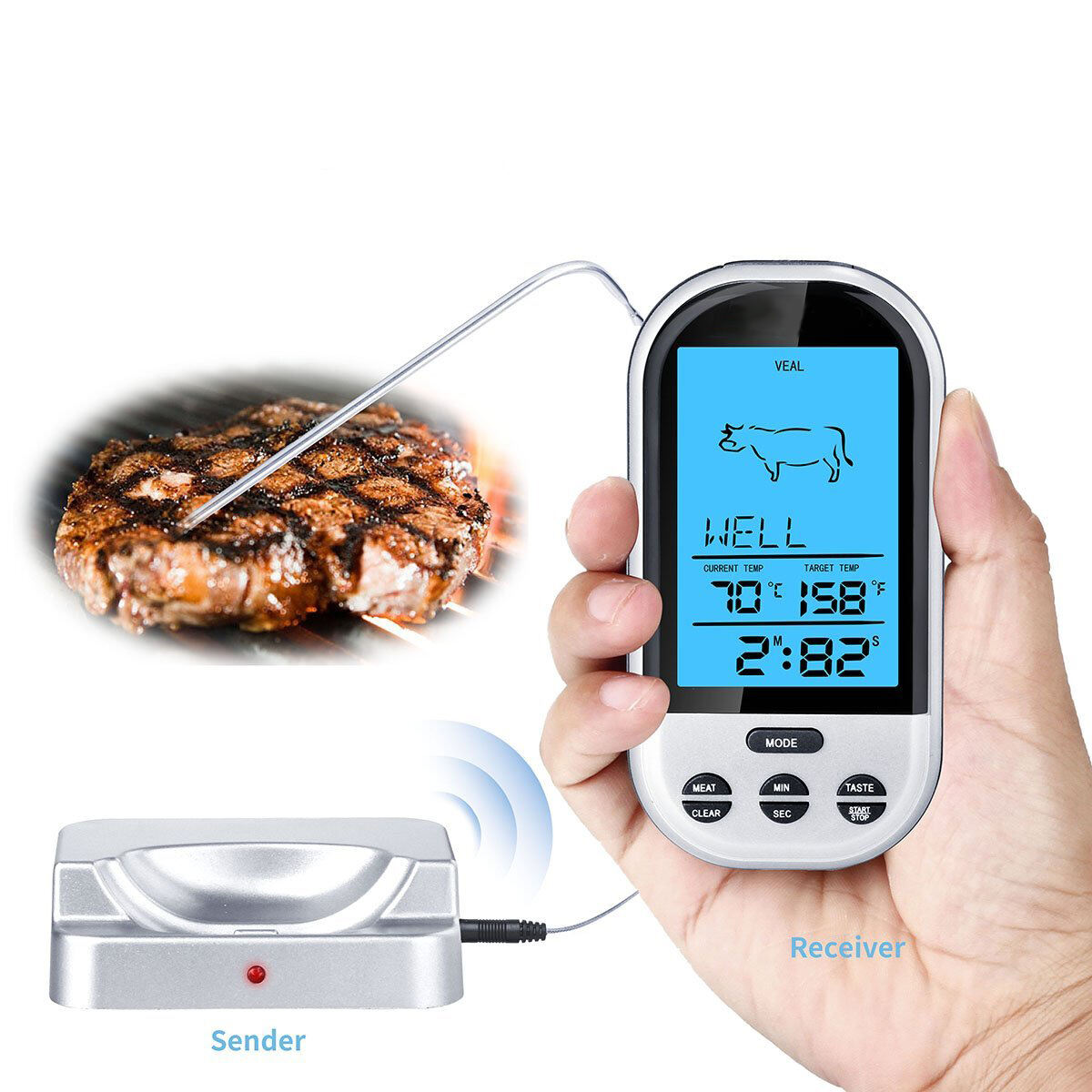
Food safety remains one of the most critical aspects of cooking, whether you're a professional chef or a home cooking enthusiast. The difference between perfectly cooked meat and potentially dangerous undercooked protein often comes down to accurate temperature measurement. A meat thermometer serves as your most reliable tool for ensuring that every piece of meat reaches the proper internal temperature, eliminating guesswork and protecting your family from foodborne illnesses. Understanding the importance of this essential kitchen instrument can transform your cooking experience while safeguarding your health.
Understanding Food Safety Through Temperature Control
The Science Behind Safe Cooking Temperatures
Bacterial pathogens such as Salmonella, E. coli, and Campylobacter thrive in the temperature danger zone between 40°F and 140°F. These harmful microorganisms can multiply rapidly when meat remains in this temperature range for extended periods. Professional food safety standards require specific internal temperatures to effectively eliminate these pathogens and ensure consumer safety. A reliable meat thermometer provides the precision needed to reach these critical temperature thresholds consistently.
Different types of meat require distinct temperature targets due to their varying bacterial loads and structural compositions. Poultry must reach 165°F to eliminate Salmonella risks, while ground beef requires 160°F to address potential E. coli contamination. Whole cuts of beef, pork, and lamb can be safely consumed at 145°F when allowed to rest for three minutes. These temperature guidelines represent years of scientific research and food safety testing.
Common Foodborne Illness Risks
Undercooked meat poses significant health risks that extend beyond simple stomach discomfort. Foodborne pathogens can cause severe symptoms including high fever, bloody diarrhea, and dehydration requiring hospitalization. Vulnerable populations such as pregnant women, young children, elderly individuals, and immunocompromised people face even greater risks from improperly cooked meat products.
The Centers for Disease Control and Prevention estimates that foodborne illnesses affect millions of Americans annually, with a significant percentage attributed to improperly cooked meat. Many of these cases could be prevented through proper temperature monitoring using a quality meat thermometer. The financial and health costs associated with foodborne illness far exceed the investment in proper cooking equipment.
Types and Technologies of Modern Meat Thermometers
Instant-Read Digital Thermometers
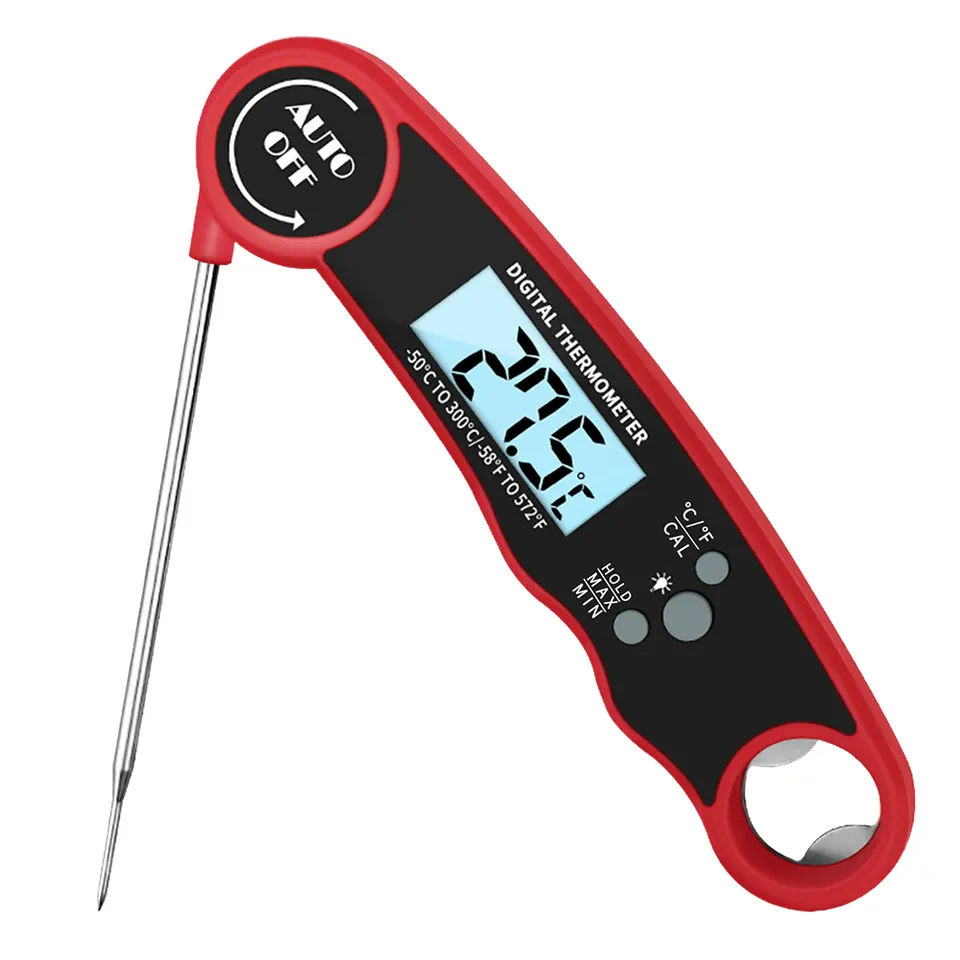
Digital instant-read thermometers represent the gold standard for accurate temperature measurement in modern kitchens. These devices typically provide readings within two to three seconds, allowing cooks to quickly assess doneness without losing significant heat from the cooking environment. Advanced models feature large, backlit displays that remain easily readable in various lighting conditions.
The precision of digital meat thermometer technology has improved dramatically over recent years, with many models offering accuracy within one degree Fahrenheit. High-quality units include features such as automatic calibration, temperature hold functions, and programmable alerts for different meat types. Professional-grade instant-read thermometers often include waterproof construction and extended probe lengths for versatility across cooking methods.
Wireless and Smart Thermometer Systems
Wireless meat thermometer systems allow cooks to monitor temperatures remotely through smartphone applications or dedicated receivers. These advanced systems particularly benefit long cooking processes such as smoking, roasting, or slow cooking where constant monitoring becomes impractical. Many smart thermometers include preset temperature programs for various meat cuts and cooking preferences.
Bluetooth and Wi-Fi enabled thermometers provide real-time temperature data and cooking progress updates directly to mobile devices. Advanced models offer multiple probe capabilities, allowing simultaneous monitoring of different cuts or cooking zones. These technological innovations have revolutionized outdoor cooking and large-scale meal preparation by eliminating the need for constant physical temperature checks.
Professional Cooking Applications and Techniques
Restaurant and Commercial Kitchen Standards
Professional kitchens rely heavily on accurate temperature measurement to maintain food safety compliance and consistency across service periods. Health department regulations require documented temperature logs for meat products, making reliable thermometer equipment essential for legal operation. Commercial-grade meat thermometer systems often integrate with point-of-sale systems and inventory management software.
Restaurant chains implement standardized temperature protocols using calibrated thermometers to ensure consistent product quality across multiple locations. Professional chefs understand that proper temperature control directly impacts both food safety and customer satisfaction. The investment in quality temperature measurement equipment pays dividends through reduced food waste, improved customer experience, and regulatory compliance.
Precision Cooking Methods
Sous vide cooking relies entirely on precise temperature control, making accurate thermometer readings crucial for successful results. This cooking method involves vacuum-sealing food and cooking it in temperature-controlled water baths for extended periods. A dependable meat thermometer ensures that the final product reaches food-safe temperatures while maintaining desired texture and doneness.
Reverse searing techniques require careful temperature monitoring to achieve optimal results without overcooking. This method involves slowly bringing meat to target temperature before applying high heat for surface browning. Professional-grade thermometers enable precise control throughout this multi-stage cooking process, resulting in evenly cooked meat with perfect texture.
Home Cooking Benefits and Best Practices
Eliminating Guesswork in Daily Cooking
Home cooks often rely on visual cues or timing estimates that can lead to inconsistent results and potential safety issues. Color changes, firmness tests, and cooking time guidelines provide unreliable indicators of internal temperature, especially with different cut sizes and cooking methods. A quality meat thermometer removes uncertainty and builds confidence in cooking abilities.
Consistent use of temperature measurement tools helps home cooks develop better understanding of how different factors affect cooking times and temperatures. Oven variations, altitude changes, and meat thickness all influence cooking requirements that only accurate temperature measurement can properly address. Regular thermometer use gradually improves overall cooking skills and food safety awareness.
Cost-Effective Kitchen Investment
The relatively small investment in a reliable meat thermometer provides substantial returns through reduced food waste and improved meal quality. Overcooked meat becomes dry and unpalatable, leading to wasted ingredients and disappointed diners. Undercooked meat poses health risks and may require additional cooking time that affects texture and flavor.
Quality thermometers typically last for many years with proper care and calibration, making them one of the most cost-effective kitchen tools available. The peace of mind and cooking confidence gained from accurate temperature measurement justifies the initial purchase price many times over. Many home cooks report increased enjoyment and success in meat preparation after incorporating regular thermometer use.
Maintenance and Calibration Considerations
Proper Care and Storage Practices
Regular maintenance ensures that your meat thermometer continues providing accurate readings throughout its service life. Proper cleaning involves sanitizing the probe after each use with appropriate food-safe cleaning solutions. Many digital models feature removable probes that can be thoroughly washed while protecting electronic components from moisture damage.
Storage considerations include protecting probe tips from damage and ensuring battery compartments remain dry and corrosion-free. Probe covers or sheaths protect sensitive temperature sensors from impact damage during storage and transport. Regular battery replacement prevents unexpected failures during critical cooking moments when temperature accuracy becomes most important.
Calibration and Accuracy Verification
Periodic calibration checks ensure continued accuracy over time as electronic components age and mechanical parts experience wear. Ice water calibration provides a simple method for verifying thermometer accuracy using readily available materials. Professional-grade meat thermometer models often include calibration adjustment features that allow users to correct minor accuracy drift.
Boiling water tests offer another calibration verification method, though altitude adjustments must be considered for accurate results. Many manufacturers recommend annual calibration checks for commercial applications or whenever accuracy concerns arise. Replacement becomes necessary when calibration adjustments cannot restore proper accuracy levels, ensuring continued food safety compliance.
Selecting the Right Thermometer for Your Needs
Features and Functionality Considerations
Response time represents one of the most important factors when selecting a meat thermometer for regular use. Faster response times minimize heat loss from ovens and grills while providing quicker feedback during cooking processes. Professional models typically offer response times under three seconds, while basic units may require ten seconds or longer for stable readings.
Display readability becomes crucial in various lighting conditions and cooking environments. Large, backlit displays with high contrast numbers ensure easy reading regardless of ambient light conditions. Some advanced models include rotating displays that automatically orient for optimal viewing angles during different cooking positions and applications.
Budget and Performance Balance
Entry-level meat thermometer options provide basic temperature measurement capabilities suitable for occasional home use and simple cooking applications. Mid-range models offer improved accuracy, faster response times, and additional features such as preset temperature alarms and probe storage solutions. Professional-grade units justify higher costs through superior accuracy, durability, and advanced functionality.
Long-term value considerations include warranty coverage, replacement part availability, and manufacturer support services. Investing in quality thermometer equipment often proves more economical than repeatedly replacing inexpensive units that fail prematurely or provide inconsistent readings. Research user reviews and professional recommendations to identify models that offer optimal performance within specific budget constraints.
FAQ
What internal temperature should different meats reach for safe consumption
Safe internal temperatures vary by meat type and cut. Poultry requires 165°F, ground meats need 160°F, and whole cuts of beef, pork, and lamb should reach 145°F with a three-minute rest period. Fish and shellfish are safe at 145°F, while egg dishes require 160°F. Using a reliable meat thermometer ensures you achieve these critical temperatures consistently for optimal food safety.
How often should I calibrate my meat thermometer
Most manufacturers recommend calibrating meat thermometer devices annually for home use or more frequently in commercial settings. Perform calibration checks whenever you suspect accuracy issues or after dropping or damaging the unit. Simple ice water tests can verify accuracy, with readings should show 32°F in properly prepared ice water. Professional kitchens may require monthly calibration documentation for health department compliance.
Can I leave a meat thermometer in food while cooking
Only oven-safe probe thermometers designed for continuous monitoring should remain in food during cooking. Instant-read meat thermometer models are not designed for prolonged heat exposure and may be damaged if left in ovens or grills. Leave-in thermometers feature heat-resistant cables and probes that can withstand extended cooking temperatures while providing continuous temperature monitoring throughout the cooking process.
Why do cooking times vary even when using the same recipe
Multiple factors affect cooking times including meat thickness, starting temperature, oven accuracy, altitude, and humidity levels. These variables make timing estimates unreliable compared to actual temperature measurement. A quality meat thermometer eliminates guesswork by measuring actual internal temperature rather than relying on potentially inaccurate time estimates. This approach ensures consistent results regardless of external cooking condition variations.