 EN
EN

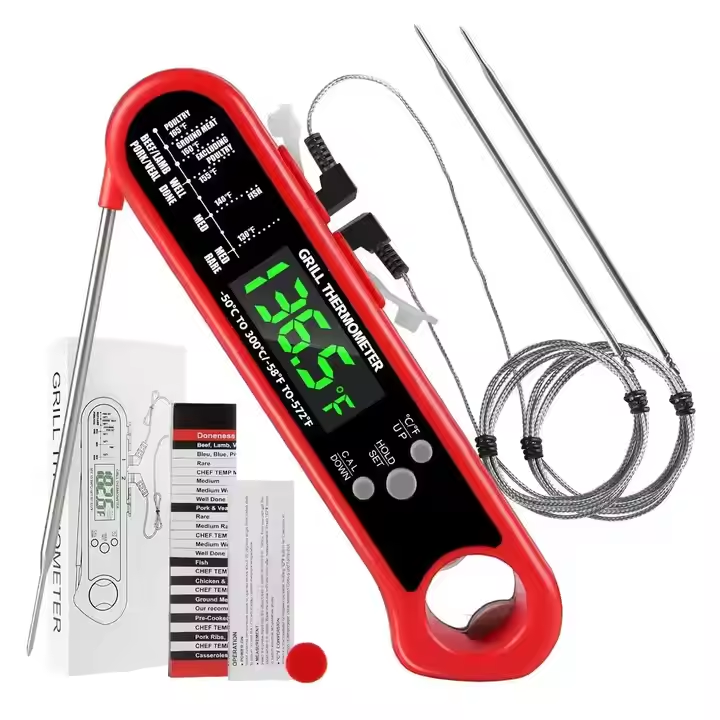
Digital meat thermometers have revolutionized grilling precision, but their accuracy remains a critical concern for barbecue enthusiasts and professional chefs alike. Understanding the true measurement capabilities of these devices directly impacts food safety, cooking quality, and overall grilling success. Most high-quality digital meat thermometers achieve accuracy within ±1-2°F (±0.5-1°C) when properly calibrated and maintained, though various factors can significantly influence their performance during actual grilling conditions.
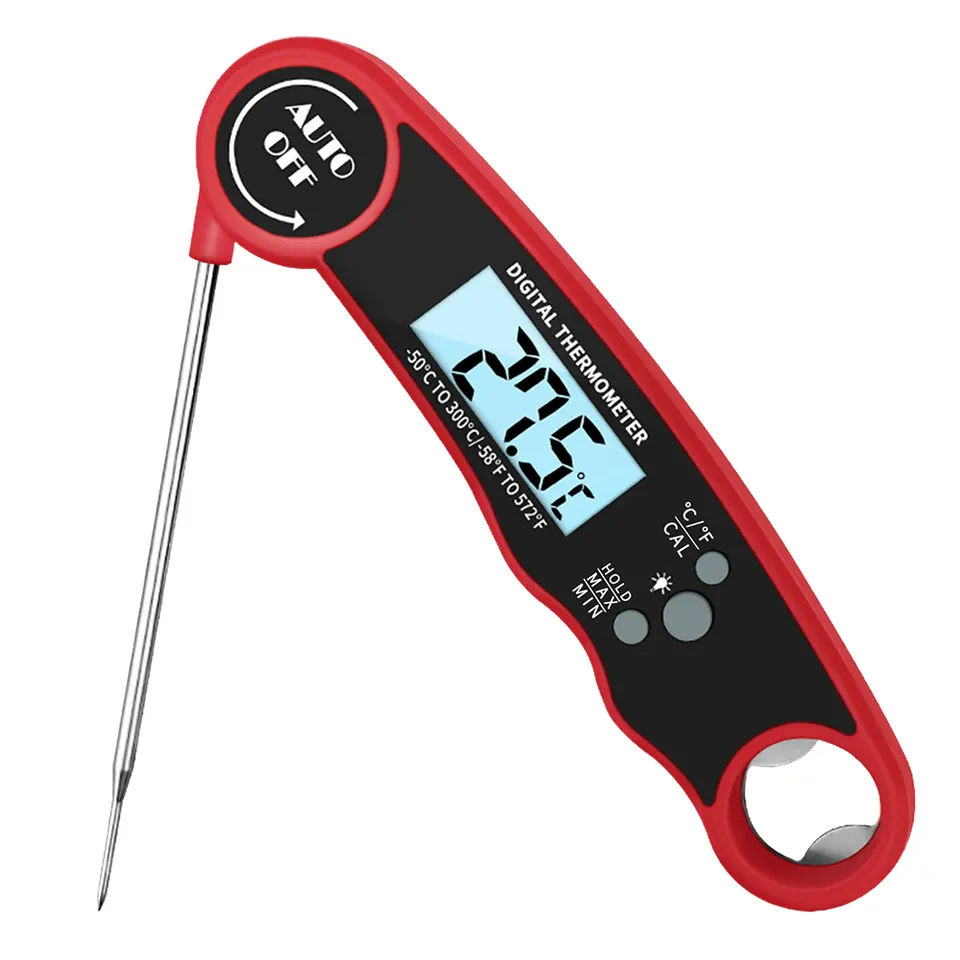
The accuracy of digital meat thermometers depends on multiple technical and environmental variables that grilling enthusiasts must understand to achieve consistent results. Temperature measurement precision becomes particularly crucial when grilling expensive cuts of meat or when serving food to guests where safety and quality cannot be compromised. Modern digital meat thermometers incorporate advanced sensor technology and calibration systems designed to deliver reliable readings even in challenging outdoor cooking environments.
Technical Accuracy Standards for Digital Meat Thermometers
Manufacturer Accuracy Specifications
Leading digital meat thermometers typically advertise accuracy ranges between ±0.9°F to ±2°F (±0.5°C to ±1.1°C) under ideal laboratory conditions. These specifications represent the device's ability to measure temperature correctly when tested against certified reference standards in controlled environments. However, real-world grilling conditions often present challenges that can affect this baseline accuracy, including ambient temperature fluctuations, humidity levels, and electromagnetic interference from grill components.
Professional-grade digital meat thermometers often achieve tighter accuracy tolerances compared to consumer models, with some premium units maintaining ±0.5°F accuracy across their entire measurement range. The accuracy specification becomes particularly important when cooking meats that require precise temperature control, such as poultry that must reach 165°F for food safety or steaks that require specific temperatures for desired doneness levels.
Understanding that accuracy specifications apply to the thermometer's entire measurement range helps users select appropriate devices for their grilling needs. Some digital meat thermometers maintain consistent accuracy from 32°F to 392°F (0°C to 200°C), while others may show decreased precision at temperature extremes commonly encountered during high-heat grilling or smoking applications.
Calibration Impact on Measurement Precision
Proper calibration serves as the foundation for accurate temperature readings from digital meat thermometers, yet many users overlook this critical maintenance step. Factory calibration provides initial accuracy, but thermal cycling, physical impacts, and sensor drift over time can gradually affect measurement precision. Regular calibration verification using ice water (32°F/0°C) and boiling water (212°F/100°C at sea level) helps maintain optimal accuracy throughout the thermometer's service life.
Advanced digital meat thermometers include user-accessible calibration functions that allow field adjustments without requiring professional service. These calibration capabilities prove particularly valuable for serious grilling enthusiasts who depend on precise temperature control for competition barbecue or commercial food service applications where accuracy directly impacts food safety compliance.
Environmental factors during calibration significantly influence the resulting accuracy of digital meat thermometers. Altitude affects boiling point temperatures, requiring adjustment of calibration reference points for users at elevated locations. Additionally, the calibration process must account for probe insertion depth, stirring techniques, and stabilization time to ensure accurate reference measurements that translate to reliable field performance.
Factors Affecting Accuracy During Grilling Operations
Heat Source and Ambient Temperature Effects
Grilling environments subject digital meat thermometers to extreme temperature variations that can challenge their accuracy specifications. Direct exposure to radiant heat from charcoal, gas flames, or infrared burners can cause probe temperature spikes that exceed the actual meat temperature, leading to false readings. Proper probe positioning and heat shielding techniques help minimize these thermal interference effects while maintaining measurement accuracy.
Ambient temperature swings during outdoor grilling sessions affect digital meat thermometer accuracy through thermal expansion and contraction of sensor components. Cold weather conditions can slow sensor response times and affect display reliability, while extreme heat may cause temporary accuracy degradation or complete system failure. Quality digital meat thermometers incorporate temperature compensation algorithms and thermal protection features to maintain accuracy across typical outdoor cooking temperature ranges.
Wind conditions during grilling can create localized temperature variations around the probe insertion point, potentially affecting accuracy through convective cooling or heating effects. Digital meat thermometers with faster response times and improved thermal isolation show better accuracy stability under windy conditions compared to slower-responding units that may struggle to track rapid temperature changes.
Probe Placement and Insertion Techniques
Accurate temperature measurement from digital meat thermometers depends heavily on proper probe placement within the meat being grilled. The probe tip must reach the thermal center of the thickest portion while avoiding bone contact, fat deposits, or air pockets that can produce misleading temperature readings. Incorrect probe positioning represents one of the most common sources of measurement inaccuracy during grilling operations.
Probe insertion depth affects the accuracy of digital meat thermometers because temperature gradients exist throughout cooking meat. Shallow insertion may register surface temperatures that exceed the internal temperature, while excessive depth might position the sensor in areas that heat slowly. Understanding optimal insertion techniques for different meat cuts and cooking methods helps maximize the accuracy potential of digital meat thermometers.
Multiple probe insertion points provide verification of digital meat thermometer accuracy by confirming consistent temperature readings throughout the meat. This technique proves particularly valuable when grilling large roasts, whole poultry, or thick steaks where temperature distribution may vary significantly. Comparing readings from multiple locations helps identify measurement errors and ensures accurate assessment of cooking progress.
Comparison with Alternative Temperature Measurement Methods
Digital Versus Analog Thermometer Accuracy
Digital meat thermometers generally provide superior accuracy compared to traditional analog dial thermometers, which often suffer from mechanical tolerances and calibration drift issues. Analog thermometers typically achieve accuracy ranges of ±3-5°F under ideal conditions, while quality digital meat thermometers routinely maintain ±1-2°F accuracy with proper calibration and maintenance. The electronic sensors in digital units respond faster to temperature changes and provide more precise measurements across their operating range.
Response time differences between digital and analog thermometers significantly impact measurement accuracy during dynamic grilling conditions. Digital meat thermometers typically stabilize within 2-4 seconds, allowing rapid confirmation of temperature changes as cooking progresses. Analog units may require 15-20 seconds or longer to reach stable readings, during which time the actual meat temperature continues changing, potentially compromising measurement accuracy.
Environmental durability affects long-term accuracy maintenance for both digital meat thermometers and analog alternatives. While analog units show better resistance to moisture and impact damage, their mechanical components gradually lose calibration accuracy over time. Digital meat thermometers maintain calibration stability longer but require protection from moisture ingress and extreme temperature exposure to preserve their accuracy specifications.
Infrared Temperature Gun Limitations
Infrared temperature guns measure surface temperatures rather than internal meat temperatures, making them unsuitable replacements for digital meat thermometers in grilling applications. While infrared devices can accurately measure grill surface temperatures for heat zone verification, they cannot penetrate meat surfaces to provide the internal temperature data essential for food safety and doneness determination. This fundamental limitation makes digital meat thermometers the preferred choice for accurate internal temperature monitoring.
Surface emissivity variations on different meat types affect infrared temperature measurement accuracy, with readings potentially varying by 10-20°F from actual surface temperatures. Digital meat thermometers avoid this limitation by making direct physical contact with the meat interior, providing accurate temperature readings regardless of surface characteristics, moisture content, or cooking method variations encountered during grilling operations.
Ambient infrared radiation from hot grill surfaces can interfere with infrared temperature gun accuracy when measuring meat surface temperatures. Digital meat thermometers eliminate this interference source by measuring temperature through direct probe contact, ensuring accurate readings even in high-radiation grilling environments where infrared devices struggle to maintain measurement precision.
Optimization Strategies for Maximum Accuracy
Maintenance and Care Procedures
Regular maintenance significantly impacts the long-term accuracy of digital meat thermometers used for grilling applications. Proper cleaning procedures protect sensor integrity while preventing contamination buildup that can affect temperature measurement precision. Gentle cleaning with warm soapy water and complete drying prevents moisture damage to electronic components while maintaining probe surface conditions necessary for accurate temperature transfer.
Periodic accuracy verification using known temperature references helps identify digital meat thermometer calibration drift before it affects cooking results. Monthly testing in ice water and boiling water provides simple verification of measurement accuracy across the temperature range most commonly used for grilling applications. Documentation of verification results helps track accuracy trends and identify when professional calibration service may be required.
Proper storage conditions preserve the accuracy capabilities of digital meat thermometers between grilling sessions. Extreme temperature storage, moisture exposure, and physical impacts can degrade sensor performance and affect measurement precision. Protective cases and controlled storage environments help maintain factory accuracy specifications throughout the thermometer's operational lifetime.
Selection Criteria for Grilling Applications
Choosing digital meat thermometers with appropriate accuracy specifications for grilling requirements ensures optimal cooking results while maintaining food safety standards. Professional grilling applications may justify premium thermometers with ±0.5°F accuracy, while casual home grilling typically performs well with units providing ±1-2°F accuracy. Understanding accuracy requirements helps balance performance needs with budget considerations when selecting digital meat thermometers.
Response time specifications significantly impact the practical accuracy of digital meat thermometers during fast-paced grilling operations. Faster response times allow more accurate tracking of temperature changes during searing, flipping, or heat adjustment procedures. Digital meat thermometers with response times under 3 seconds provide better accuracy for dynamic grilling situations compared to slower units that may lag behind actual temperature changes.
Operating temperature range capabilities affect digital meat thermometer accuracy when used for high-heat grilling techniques or smoking applications. Thermometers rated for extended temperature ranges typically maintain accuracy specifications across their entire operating range, while units with limited temperature capabilities may show decreased precision at temperature extremes. Matching thermometer specifications to intended grilling applications ensures optimal accuracy performance.
FAQ
How often should I calibrate my digital meat thermometer for accurate grilling results?
Digital meat thermometers should be calibrated monthly for regular home grilling use, or before each use for professional applications where accuracy is critical. Calibration verification involves testing in ice water (32°F) and boiling water (212°F at sea level) to confirm accuracy across the typical grilling temperature range. More frequent calibration may be necessary if the thermometer experiences physical impacts, extreme temperature exposure, or shows inconsistent readings during use.
What accuracy level is sufficient for safe grilling with digital meat thermometers?
An accuracy level of ±2°F or better provides adequate precision for safe grilling with digital meat thermometers, ensuring reliable detection of minimum safe internal temperatures for different meat types. This accuracy level allows sufficient margin for food safety compliance while accommodating normal measurement variations during grilling operations. Professional applications or competition grilling may benefit from higher accuracy levels of ±1°F or better for optimal results.
Can extreme grilling temperatures damage the accuracy of digital meat thermometers?
Extreme temperatures beyond the rated operating range can permanently damage digital meat thermometer sensors and compromise long-term accuracy. Most quality units handle temperatures up to 392-482°F (200-250°C) without accuracy degradation, but direct flame contact or probe temperatures exceeding specifications can cause sensor drift or failure. Using heat-resistant probe cables and avoiding direct flame exposure helps preserve accuracy throughout normal grilling operations.
Do wireless digital meat thermometers maintain the same accuracy as wired models?
Wireless digital meat thermometers can maintain equivalent accuracy to wired models when using quality sensor technology and proper signal transmission systems. The wireless transmission method does not inherently affect temperature measurement accuracy, as the sensor and measurement circuitry remain the same. However, signal interference, low battery conditions, or transmission range limitations may affect data reliability rather than measurement accuracy itself.
Table of Contents
- Technical Accuracy Standards for Digital Meat Thermometers
- Factors Affecting Accuracy During Grilling Operations
- Comparison with Alternative Temperature Measurement Methods
- Optimization Strategies for Maximum Accuracy
-
FAQ
- How often should I calibrate my digital meat thermometer for accurate grilling results?
- What accuracy level is sufficient for safe grilling with digital meat thermometers?
- Can extreme grilling temperatures damage the accuracy of digital meat thermometers?
- Do wireless digital meat thermometers maintain the same accuracy as wired models?