 EN
EN


The infrared thermometer has become an essential tool for modern households, offering quick and accurate temperature readings without physical contact. These versatile devices utilize infrared radiation to measure surface temperatures, making them invaluable for various domestic applications ranging from cooking and HVAC maintenance to health monitoring and safety checks. Understanding how to properly operate an infrared thermometer can significantly improve your ability to maintain optimal conditions throughout your home while ensuring accurate measurements for critical tasks.
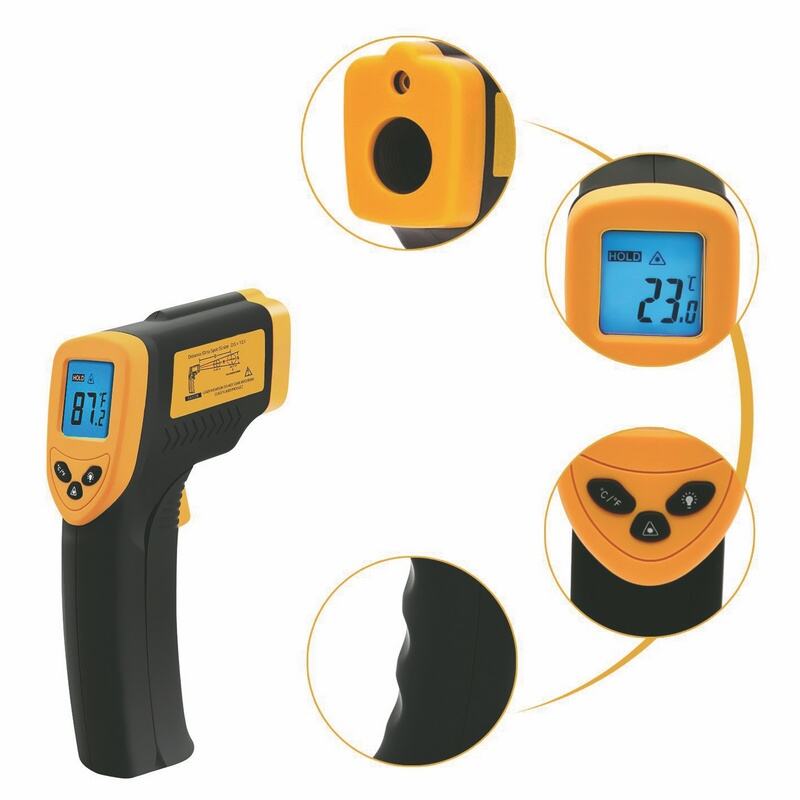
Modern infrared thermometer technology has advanced considerably, providing homeowners with professional-grade accuracy previously available only in industrial settings. The non-contact measurement capability eliminates cross-contamination risks while delivering instant results across a wide temperature range. Whether you are monitoring food safety, checking insulation effectiveness, or maintaining optimal indoor climate conditions, mastering infrared thermometer techniques will enhance your household management capabilities significantly.
Understanding Infrared Thermometer Fundamentals
Basic Operating Principles
An infrared thermometer operates by detecting and measuring infrared radiation emitted by objects within its field of view. Every object with a temperature above absolute zero emits infrared energy, and the intensity of this radiation correlates directly with the object's surface temperature. The infrared thermometer captures this radiation through its optical lens system, converts the energy into electrical signals, and displays the corresponding temperature reading on its digital display.
The measurement process occurs instantaneously, typically within one to two seconds of pointing the device at the target surface. This rapid response time makes the infrared thermometer particularly valuable for applications requiring quick temperature assessments across multiple locations or surfaces. The device's internal microprocessor calculates temperature values based on predetermined algorithms that account for environmental factors and calibration settings.
Key Components and Features
Most household infrared thermometer units feature several essential components that contribute to accurate measurement performance. The optical lens focuses infrared radiation onto the detector, while the laser pointer helps users precisely target the measurement area. The digital display provides clear temperature readings, and many models include additional features such as maximum/minimum memory functions, temperature alarms, and adjustable emissivity settings.
Advanced infrared thermometer models incorporate backlit displays for low-light conditions, data logging capabilities for trend analysis, and wireless connectivity for remote monitoring applications. Understanding these features enables users to select appropriate measurement modes and optimize device performance for specific household applications. The ergonomic design of modern units ensures comfortable operation during extended measurement sessions.
Proper Measurement Techniques
Distance and Angle Considerations
Achieving accurate measurements with an infrared thermometer requires understanding the relationship between distance, measurement spot size, and target surface area. The device's distance-to-spot ratio determines the diameter of the measurement area at various distances from the target. For instance, a 12:1 ratio means the measurement spot diameter equals one inch when positioned twelve inches from the target surface.
Maintaining perpendicular alignment between the infrared thermometer and target surface ensures optimal accuracy by minimizing angular measurement errors. Angled measurements can result in temperature readings that reflect adjacent surfaces or background radiation rather than the intended target. Position the device directly in front of the measurement area and maintain steady aim throughout the brief measurement period for consistent results.
Environmental Factor Management
Environmental conditions significantly impact infrared thermometer accuracy and require careful consideration during measurement planning. Ambient temperature variations, humidity levels, and air circulation patterns can influence readings, particularly when measuring surfaces with temperatures close to room temperature. Allow the device to acclimate to local conditions for several minutes before taking critical measurements.
Avoid measuring through transparent materials such as glass or plastic, as these substances can absorb or reflect infrared radiation, leading to inaccurate readings. Steam, dust, and other airborne particles can also interfere with infrared transmission, necessitating clear line-of-sight conditions between the device and target surface. When possible, clean target surfaces before measurement to remove debris that might affect emissivity characteristics.
Common Household Applications
Kitchen and Food Safety
The kitchen environment offers numerous opportunities to utilize an infrared thermometer for food safety and cooking optimization. Surface temperature monitoring of cooking surfaces, ovens, and grills helps ensure proper heating before food preparation begins. This application prevents uneven cooking and reduces the risk of foodborne illness by verifying adequate cooking temperatures across all surfaces.
Food storage areas benefit from regular temperature monitoring to maintain optimal preservation conditions. Refrigerator and freezer surface temperatures provide insights into cooling system performance and energy efficiency. The infrared thermometer enables quick verification of temperature zones within appliances, helping identify potential problems before they compromise food safety or increase energy consumption.
HVAC System Maintenance
Heating, ventilation, and air conditioning systems require regular monitoring to maintain efficiency and identify potential issues before major repairs become necessary. An infrared thermometer provides valuable diagnostic information by measuring temperatures across various system components including ductwork, vents, radiators, and heat exchangers. These measurements help identify blockages, leaks, and performance degradation.
Ductwork inspection using infrared thermometer readings can reveal insulation problems, air leaks, and distribution imbalances that impact comfort and energy costs. Regular temperature mapping of HVAC components enables homeowners to track system performance over time and schedule maintenance activities proactively. This preventive approach reduces emergency repair costs and extends equipment lifespan significantly.
Advanced Applications and Techniques
Home Insulation Assessment
Energy efficiency improvements often begin with identifying areas of heat loss throughout the home structure. An infrared thermometer serves as an effective tool for locating thermal bridges, insulation gaps, and air infiltration points that compromise heating and cooling efficiency. Systematic temperature measurements around windows, doors, electrical outlets, and exterior walls reveal problematic areas requiring attention.
Seasonal temperature differential measurements provide valuable data for prioritizing insulation upgrades and weatherization projects. Compare indoor and outdoor surface temperatures of walls, ceilings, and floors to identify the most significant heat loss locations. This data-driven approach ensures renovation investments target the areas with greatest potential for energy savings and comfort improvements.
Electrical System Monitoring
Electrical components generate heat during normal operation, but excessive temperatures indicate potential safety hazards requiring immediate attention. An infrared thermometer enables safe, non-contact monitoring of electrical panels, outlets, switches, and circuit breakers without risk of electrical shock. Regular temperature checks help identify overloaded circuits, loose connections, and deteriorating components before they cause fires or equipment damage.
Professional electricians utilize infrared thermometer data to diagnose electrical problems, but homeowners can perform basic monitoring to enhance safety. Establish baseline temperature readings for electrical components during normal operation, then monitor for significant temperature increases that might indicate developing problems. This proactive approach prevents dangerous situations while maintaining electrical system reliability.
Troubleshooting Common Issues
Accuracy Problems and Solutions
Infrared thermometer accuracy depends on proper calibration and understanding of measurement limitations. Surface emissivity characteristics significantly impact reading accuracy, as different materials emit infrared radiation with varying efficiency. Highly reflective surfaces such as polished metals require emissivity adjustments or alternative measurement techniques to achieve accurate results.
Calibration verification using known temperature references ensures continued accuracy over time. Ice water and boiling water provide convenient calibration check points for most household applications. If readings deviate significantly from expected values, consult manufacturer instructions for calibration adjustment procedures or professional service requirements. Regular calibration checks maintain measurement confidence and prevent errors in critical applications.
Maintenance and Care
Proper maintenance extends infrared thermometer lifespan and maintains measurement accuracy throughout the device's service life. Keep the optical lens clean using appropriate cleaning materials to prevent dust and debris from interfering with infrared transmission. Store the device in protective cases when not in use to prevent damage from drops, moisture, and extreme temperatures.
Battery maintenance ensures reliable operation when measurements are needed most. Replace batteries according to manufacturer recommendations and monitor low battery indicators to prevent unexpected shutdowns during critical measurements. Some advanced infrared thermometer models include rechargeable battery systems that require periodic charging cycle maintenance for optimal performance longevity.
FAQ
What is the ideal distance for accurate infrared thermometer measurements
The optimal measurement distance depends on your specific infrared thermometer model's distance-to-spot ratio, typically ranging from 8:1 to 50:1. For most household applications, maintaining a distance of 6 to 24 inches from the target surface provides accurate readings while ensuring the measurement spot covers only the intended area. Always consult your device manual for specific distance recommendations and avoid measuring from excessive distances that might include unwanted background temperatures.
Can an infrared thermometer measure internal food temperatures
No, an infrared thermometer only measures surface temperatures and cannot determine internal food temperatures required for food safety verification. For internal temperature measurements, use a traditional probe thermometer inserted into the food item. However, infrared thermometer readings are valuable for monitoring cooking surface temperatures, oil temperatures for frying, and surface temperatures of cooked foods to estimate doneness.
Why do I get different readings on the same surface
Inconsistent readings typically result from surface emissivity variations, measurement angle changes, or environmental factors. Different materials and surface finishes emit infrared radiation differently, affecting measurement accuracy. Ensure perpendicular alignment with the target surface, maintain consistent distance, and allow time for surface temperatures to stabilize. Clean surfaces and eliminate reflective interference sources for more consistent results.
How often should I calibrate my infrared thermometer
Calibration frequency depends on usage intensity and accuracy requirements, but annual calibration checks are recommended for most household applications. Perform calibration verification whenever you notice questionable readings or after the device experiences extreme temperatures or physical impacts. Professional calibration services may be necessary for critical applications requiring certified accuracy, while basic ice-point and boiling-point checks suffice for routine household use.