 EN
EN

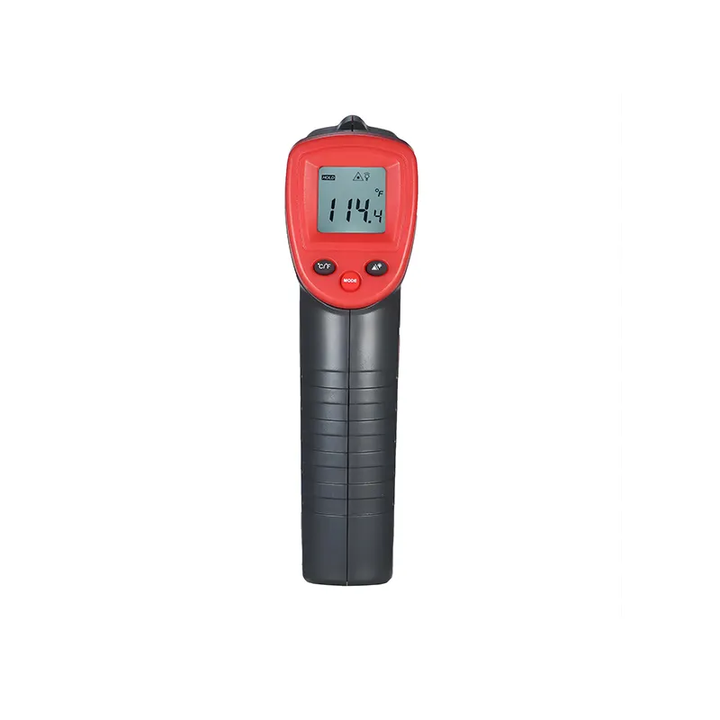
Industrial temperature measurement has evolved significantly with the advent of infrared thermometers, offering unprecedented convenience and safety in various applications. These sophisticated devices have revolutionized how professionals measure temperature across manufacturing, maintenance, and quality control processes. Unlike traditional contact thermometers that require physical contact with the target surface, infrared thermometers provide accurate readings from a safe distance, making them indispensable tools in modern industrial environments. Their non-contact measurement capability eliminates contamination risks while ensuring operator safety in hazardous conditions.
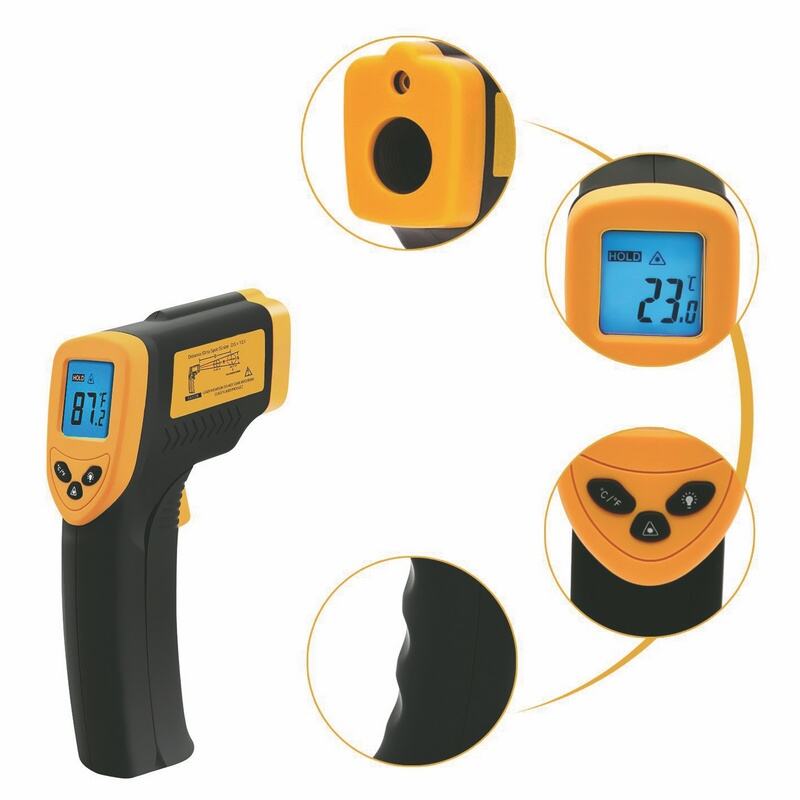
Understanding Infrared Technology Principles
Electromagnetic Radiation Detection
Infrared thermometers operate by detecting electromagnetic radiation emitted by objects at temperatures above absolute zero. Every material naturally emits infrared energy proportional to its temperature, creating a measurable heat signature that these devices can interpret. The sophisticated sensors within infrared thermometers convert this thermal radiation into electrical signals, which are then processed and displayed as temperature readings. This fundamental principle enables accurate measurement without requiring direct contact with the target surface.
The detection process involves focusing infrared energy through specialized lenses onto photodetectors or thermopiles within the device. These components are highly sensitive to temperature variations and can detect minute changes in thermal radiation. Modern infrared thermometers utilize advanced signal processing algorithms to filter ambient interference and provide stable, reliable measurements across various environmental conditions.
Emissivity and Measurement Accuracy
Emissivity plays a crucial role in the accuracy of infrared thermometers, representing how efficiently a material radiates thermal energy compared to a perfect black body. Different materials exhibit varying emissivity values, ranging from highly reflective surfaces like polished metals to highly emissive materials like organic compounds. Understanding emissivity characteristics is essential for obtaining precise temperature measurements with infrared thermometers.
Professional-grade infrared thermometers often feature adjustable emissivity settings, allowing users to customize measurements for specific materials and surface conditions. This adaptability ensures optimal accuracy across diverse applications, from measuring molten metal temperatures to monitoring food processing equipment. Proper emissivity calibration can significantly improve measurement precision and reliability in industrial environments.
Safety Advantages in Industrial Applications
Hazardous Environment Protection
Industrial environments often present significant safety challenges where direct temperature measurement could expose workers to dangerous conditions. Infrared thermometers eliminate these risks by enabling temperature monitoring from safe distances, protecting operators from extreme heat, toxic substances, or electrical hazards. This non-contact capability is particularly valuable in chemical processing plants, steel mills, and power generation facilities where traditional measurement methods would be impractical or dangerous.
The ability to measure temperatures from several feet away allows maintenance personnel to identify potential equipment failures before they become critical safety issues. This proactive approach to temperature monitoring helps prevent accidents, reduces downtime, and protects valuable industrial assets. Emergency response teams also rely on infrared thermometers to assess fire damage and identify hot spots during incident investigations.
Contamination Prevention
Cross-contamination poses significant challenges in pharmaceutical manufacturing, food processing, and cleanroom environments where maintaining sterile conditions is paramount. Infrared thermometers address these concerns by eliminating physical contact with products or surfaces, preserving the integrity of sensitive processes. This contactless measurement approach prevents the transfer of bacteria, chemicals, or other contaminants that could compromise product quality or safety.
Healthcare facilities particularly benefit from non-contact temperature measurement, especially in infectious disease management where minimizing contact reduces transmission risks. The ability to monitor patient temperatures without physical contact has become increasingly important in modern medical practice, demonstrating the versatility of infrared thermometers beyond industrial applications.
Operational Efficiency Benefits
Rapid Measurement Capabilities
Modern infrared thermometers provide instantaneous temperature readings, significantly improving operational efficiency compared to traditional measurement methods. This rapid response capability enables real-time monitoring of industrial processes, allowing operators to make immediate adjustments when temperature deviations occur. The speed advantage is particularly beneficial in high-volume manufacturing environments where quick decision-making is essential for maintaining production schedules.
Quality control inspectors can rapidly assess multiple points across large surfaces or equipment arrays using infrared thermometers, completing comprehensive temperature surveys in minutes rather than hours. This efficiency improvement translates directly into cost savings through reduced labor requirements and increased throughput capacity. The ability to perform spot checks quickly also supports preventive maintenance programs by enabling frequent equipment monitoring without disrupting operations.
Accessibility in Challenging Locations
Many industrial applications require temperature measurement in locations that are difficult or impossible to reach with contact thermometers. Infrared thermometers excel in these situations, providing accurate readings for moving machinery, high-voltage equipment, or components located behind protective barriers. This accessibility advantage eliminates the need for complex access arrangements or equipment shutdowns that would otherwise be necessary for temperature monitoring.
Overhead conveyor systems, rotating equipment, and elevated installations become easily measurable with infrared thermometers, expanding monitoring capabilities throughout industrial facilities. The portability of handheld models allows technicians to perform temperature assessments in confined spaces or remote locations where permanent monitoring systems would be impractical or cost-prohibitive.
Technical Specifications and Performance
Measurement Range and Resolution
Professional infrared thermometers offer extensive measurement ranges, typically spanning from sub-zero temperatures to several thousand degrees Celsius. This broad capability makes them suitable for diverse applications, from cryogenic storage monitoring to high-temperature furnace operations. The resolution specifications of quality infrared thermometers often provide precise readings to decimal fractions of a degree, ensuring accurate process control in temperature-sensitive applications.
Advanced models incorporate multiple measurement ranges with automatic scaling, optimizing accuracy across the entire temperature spectrum. This feature eliminates the need for multiple instruments while maintaining precision throughout various operational conditions. The combination of wide range and high resolution makes infrared thermometers versatile tools for comprehensive temperature management programs.
Response Time and Stability
The response time of infrared thermometers significantly impacts their utility in dynamic measurement scenarios. High-quality instruments provide stable readings within milliseconds, enabling effective monitoring of rapidly changing temperature conditions. This fast response capability is essential for process control applications where temperature fluctuations must be detected and addressed immediately to prevent quality issues or equipment damage.
Temperature stability over extended measurement periods ensures consistent performance in continuous monitoring applications. Professional-grade infrared thermometers incorporate thermal compensation and signal filtering to maintain accuracy despite ambient temperature variations or electromagnetic interference commonly found in industrial environments.
Application Versatility Across Industries
Manufacturing and Quality Control
Manufacturing industries extensively utilize infrared thermometers for quality control and process optimization across various production stages. These instruments enable precise temperature monitoring during material processing, ensuring products meet specifications while minimizing waste and rework costs. The non-contact measurement capability allows continuous monitoring without interrupting production flows or contaminating products with foreign materials.
Automotive manufacturing relies heavily on infrared thermometers for monitoring paint curing processes, engine testing, and quality inspection of heat-treated components. The ability to measure temperatures on moving assembly lines provides real-time feedback for process adjustments, improving overall product quality and production efficiency. Electronics manufacturing similarly benefits from precise temperature control during soldering, component testing, and thermal management verification.
Maintenance and Predictive Analytics
Predictive maintenance programs depend on accurate temperature data to identify potential equipment failures before they cause costly downtime. Infrared thermometers enable maintenance teams to perform regular thermal surveys of critical equipment, detecting abnormal heat patterns that indicate bearing wear, electrical faults, or lubrication deficiencies. This proactive approach to maintenance significantly reduces unplanned shutdowns while extending equipment service life.
The integration of infrared thermometers with computerized maintenance management systems allows for systematic temperature trending and analysis. Historical temperature data helps establish baseline performance parameters and trigger maintenance alerts when measurements exceed predetermined thresholds. This data-driven approach to maintenance optimization contributes to overall operational reliability and cost control.
Choosing the Right Infrared Thermometer
Feature Requirements Assessment
Selecting appropriate infrared thermometers requires careful consideration of specific application requirements and operational constraints. Key factors include measurement range, accuracy specifications, response time, and environmental rating suitable for the intended use conditions. Advanced features such as data logging, wireless connectivity, and multiple measurement modes may be essential for certain applications while unnecessary for basic temperature monitoring tasks.
The optical resolution ratio determines the minimum target size measurable at various distances, making it crucial for applications requiring precise spot measurements. Higher ratios enable accurate readings on smaller targets or from greater distances, providing flexibility in challenging measurement scenarios. Understanding these technical specifications ensures optimal instrument selection for specific industrial requirements.
Calibration and Maintenance Considerations
Professional infrared thermometers require periodic calibration to maintain measurement accuracy over time. Establishing calibration schedules and procedures ensures continued reliability while meeting quality system requirements. Some applications may require traceable calibration certificates for regulatory compliance, making calibration capabilities an important selection criterion.
Routine maintenance requirements vary among different infrared thermometer models, with some featuring self-diagnostic capabilities and others requiring manual cleaning and inspection procedures. Understanding maintenance requirements helps establish total cost of ownership and ensures long-term measurement reliability in demanding industrial environments.
FAQ
How accurate are infrared thermometers compared to contact thermometers
Infrared thermometers can achieve accuracy levels comparable to contact thermometers when properly calibrated and used with appropriate emissivity settings. Typical accuracy ranges from ±1°C to ±2°C for industrial models, though precision instruments can achieve even tighter tolerances. The key advantage lies in consistent accuracy without the temperature equilibration time required by contact methods, making infrared thermometers more practical for many applications despite slight accuracy trade-offs in some situations.
What factors affect the reliability of infrared temperature measurements
Several factors influence infrared thermometer reliability, including target emissivity, ambient temperature variations, atmospheric conditions, and measurement distance. Surface conditions such as oxidation, coatings, or contamination can affect readings, as can reflective surfaces that may introduce measurement errors. Environmental factors like steam, dust, or electromagnetic interference can also impact measurement accuracy, requiring consideration during instrument selection and application planning.
Can infrared thermometers measure through glass or other transparent materials
Standard infrared thermometers cannot accurately measure temperatures through glass, plastic, or other materials because these substances absorb or reflect infrared radiation rather than transmitting it. The instrument will typically read the surface temperature of the intervening material rather than the target behind it. Specialized infrared thermometers with specific wavelength ranges can measure through certain materials, but these applications require careful consideration of material properties and transmission characteristics.
How do environmental conditions affect infrared thermometer performance
Environmental conditions significantly impact infrared thermometer performance, with high humidity, airborne particles, and extreme temperatures potentially affecting measurement accuracy. Operating temperature ranges vary by model, with industrial-grade instruments typically offering wider environmental tolerance. Protective housings and periodic cleaning may be necessary in harsh conditions, while some applications may require instruments with specific environmental ratings for reliable operation in challenging industrial environments.