 EN
EN

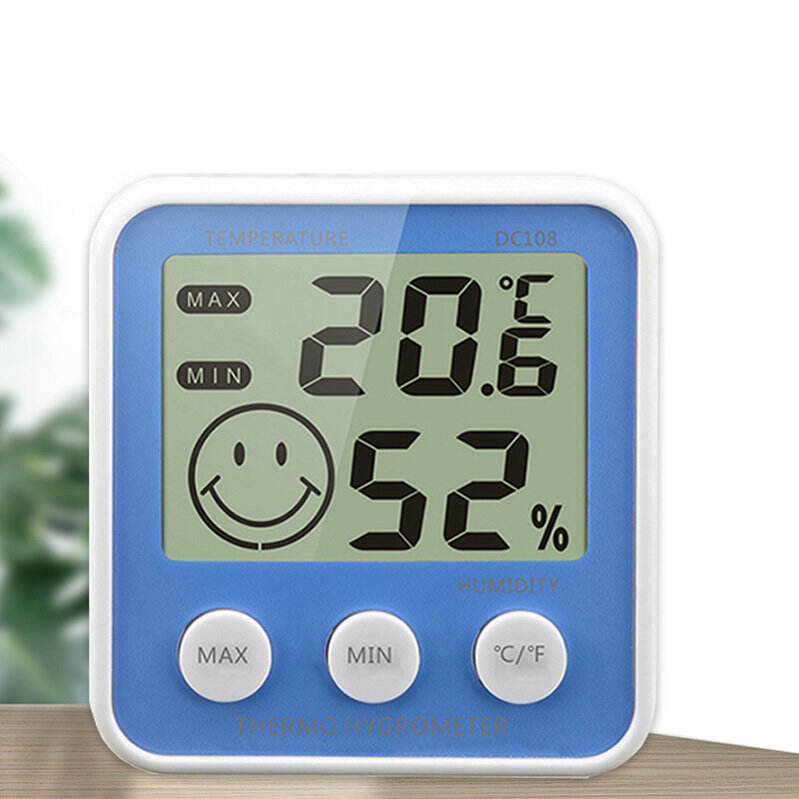
Indoor air quality plays a crucial role in maintaining comfortable and healthy living and working environments. One of the most overlooked factors affecting indoor comfort is humidity levels, which can significantly impact both human health and property conditions. A hygrometer serves as an essential tool for monitoring moisture levels in the air, helping homeowners and office managers make informed decisions about their environmental conditions. Understanding the importance of humidity control and the role of a hygrometer in achieving optimal indoor climates can transform your daily comfort and long-term well-being.
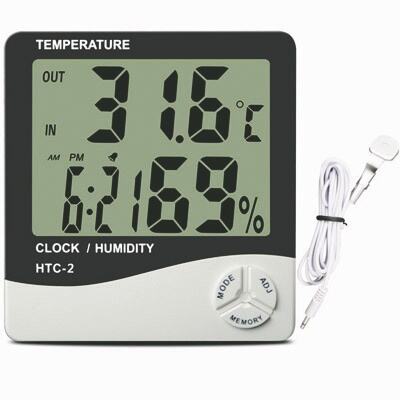
The science behind humidity measurement reveals why precise monitoring becomes essential for creating ideal indoor environments. Relative humidity, measured as a percentage, indicates the amount of moisture present in the air compared to the maximum amount the air can hold at a given temperature. When humidity levels fall outside the optimal range of 30-50%, various problems can emerge that affect both occupant comfort and building integrity. A quality hygrometer provides accurate readings that enable proactive management of these environmental conditions.
Health Benefits of Proper Humidity Monitoring
Respiratory Health Protection
Maintaining optimal humidity levels through regular hygrometer monitoring significantly impacts respiratory health outcomes. Low humidity environments, typically below 30%, can cause nasal passages and throat tissues to dry out, leading to increased susceptibility to respiratory infections and irritation. The mucous membranes in our respiratory system require adequate moisture to function effectively as natural barriers against airborne pathogens and pollutants. When a hygrometer indicates humidity levels are too low, homeowners can take immediate action to increase moisture levels through humidifiers or other methods.
Conversely, excessive humidity levels above 50% create ideal breeding conditions for mold, bacteria, and dust mites, all of which can trigger allergic reactions and asthma symptoms. Regular hygrometer readings help identify when humidity levels climb too high, allowing for prompt intervention through dehumidification or improved ventilation. People with existing respiratory conditions like asthma or allergies particularly benefit from consistent humidity monitoring, as even small fluctuations can trigger uncomfortable symptoms or health episodes.
Skin and Eye Comfort
The impact of humidity on skin and eye comfort becomes immediately apparent when levels deviate from optimal ranges. Dry air conditions, easily detected by a hygrometer reading below 30%, can cause skin to become itchy, flaky, and uncomfortable while also leading to dry, irritated eyes. These symptoms are particularly common during winter months when heating systems reduce indoor humidity levels. Professional dermatologists often recommend humidity monitoring as part of comprehensive skin care routines, especially for individuals with conditions like eczema or sensitive skin.
Contact lens wearers frequently experience increased comfort when humidity levels remain within the ideal range as measured by a reliable hygrometer. Proper moisture levels help prevent excessive tear evaporation and reduce the gritty, uncomfortable sensation often associated with dry indoor environments. Office workers who spend long hours in front of computer screens particularly benefit from optimal humidity levels, as adequate moisture helps reduce eye strain and fatigue commonly associated with digital eye syndrome.
Property Protection Through Humidity Control
Wood and Furniture Preservation
Wood materials in homes and offices respond dramatically to humidity fluctuations, making hygrometer monitoring essential for property preservation. Low humidity conditions cause wood to shrink, potentially leading to gaps in flooring, warped furniture, and cracked wooden fixtures. Expensive hardwood floors, antique furniture, and wooden musical instruments require stable humidity levels to maintain their integrity and value. A quality hygrometer provides the precise monitoring needed to prevent costly damage to these valuable items.
High humidity levels present equally serious threats to wooden materials and furnishings. Excessive moisture can cause wood to swell, leading to stuck doors and windows, warped floorboards, and compromised structural integrity. Mold and rot become serious concerns when humidity levels consistently exceed recommended ranges, potentially causing irreversible damage to wooden components throughout a building. Regular hygrometer monitoring enables proactive humidity management that protects these investments from moisture-related deterioration.
Electronic Equipment Safety
Modern homes and offices contain thousands of dollars worth of electronic equipment that requires stable humidity conditions for optimal performance and longevity. Extremely low humidity increases static electricity buildup, which can damage sensitive electronic components in computers, televisions, and other devices. Static discharge events can cause immediate equipment failure or gradual degradation that shortens device lifespan significantly. Professional IT managers routinely use hygrometer readings to maintain server room conditions within manufacturer specifications.
Excessive humidity poses different but equally serious threats to electronic equipment. High moisture levels can cause corrosion of metal components, short circuits, and condensation problems that lead to equipment failure. Gaming systems, home theaters, and professional office equipment all perform better and last longer when humidity levels remain within optimal ranges as monitored by accurate hygrometer devices. The cost of replacing damaged electronics far exceeds the investment in proper humidity monitoring and control systems.
Energy Efficiency and Cost Savings
HVAC System Optimization
Understanding humidity levels through hygrometer monitoring enables significant improvements in HVAC system efficiency and energy consumption. When humidity levels are properly balanced, occupants feel comfortable at slightly higher temperatures in summer and lower temperatures in winter. This phenomenon, known as the apparent temperature effect, allows for meaningful energy savings on heating and cooling costs throughout the year. A well-calibrated hygrometer helps identify opportunities to adjust thermostat settings while maintaining optimal comfort levels.
Air conditioning systems work more efficiently when humidity levels are controlled within optimal ranges. High humidity forces cooling systems to work harder to achieve desired comfort levels, while extremely dry conditions can make spaces feel uncomfortably cold even at normal temperatures. Regular hygrometer monitoring helps building managers and homeowners optimize their HVAC settings for maximum efficiency, potentially reducing energy bills by 10-15% annually through improved humidity management strategies.
Preventive Maintenance Benefits
Consistent hygrometer monitoring supports preventive maintenance approaches that save money and extend equipment lifespan. By maintaining optimal humidity levels, property owners can prevent many common maintenance issues including paint peeling, wallpaper adhesive failure, and plaster cracking. These problems typically result from humidity fluctuations and can be prevented through proactive monitoring and control measures guided by accurate hygrometer readings.
The early detection capabilities provided by regular hygrometer monitoring enable swift intervention before minor humidity-related issues become major repair projects. Identifying humidity trends and seasonal patterns helps property managers schedule maintenance activities and make informed decisions about humidification and dehumidification equipment needs. This proactive approach reduces emergency repair costs and extends the useful life of building materials and furnishings throughout the property.
Professional Applications and Industry Standards
Commercial and Industrial Requirements
Many industries rely on precise humidity control monitored through professional-grade hygrometer systems to maintain product quality and regulatory compliance. Pharmaceutical manufacturing, food processing, and electronics production all require strict humidity control to ensure product integrity and safety. These industries invest heavily in sophisticated hygrometer monitoring systems that provide continuous data logging and alert capabilities when conditions deviate from specified ranges.
Museums, libraries, and archives use hygrometer monitoring as part of comprehensive preservation strategies for valuable collections and historical materials. Paper documents, artwork, and artifacts require stable humidity conditions to prevent deterioration and maintain their condition for future generations. Professional conservators rely on accurate hygrometer data to make informed decisions about climate control and storage conditions for irreplaceable cultural treasures.
Healthcare and Laboratory Settings
Healthcare facilities depend on precise humidity control monitored through calibrated hygrometer systems to maintain sterile environments and prevent contamination. Operating rooms, pharmaceutical storage areas, and patient care units all require specific humidity ranges to ensure optimal conditions for healing and safety. Medical equipment and pharmaceutical products often have strict storage requirements that include humidity specifications monitored through professional hygrometer systems.
Research laboratories use hygrometer monitoring to maintain controlled experimental conditions and ensure reliable, reproducible results. Many scientific procedures and chemical processes are sensitive to humidity variations, making accurate monitoring essential for valid research outcomes. Laboratory managers rely on hygrometer data to maintain stable environmental conditions that support accurate testing and experimentation across various scientific disciplines.
Modern Hygrometer Technology and Features
Digital Display and Smart Connectivity
Contemporary hygrometer technology has evolved far beyond simple analog dial mechanisms to include sophisticated digital displays and smart connectivity features. Modern digital hygrometer units provide precise numerical readings, historical data tracking, and customizable alert systems that notify users when humidity levels exceed predetermined ranges. These advanced features make humidity monitoring more accessible and actionable for both residential and commercial applications.
Smart hygrometer devices now integrate with home automation systems and mobile applications, allowing remote monitoring and control of indoor environmental conditions. Users can receive real-time notifications, view humidity trends over time, and coordinate their hygrometer data with other environmental control systems throughout their properties. This integration enables more sophisticated climate management strategies that improve comfort while reducing energy consumption and maintenance costs.
Accuracy and Calibration Standards
Professional hygrometer devices undergo rigorous calibration processes to ensure measurement accuracy within specified tolerance ranges, typically ±2-3% relative humidity. This precision level meets most residential and commercial monitoring requirements while providing reliable data for decision-making about environmental control strategies. Regular calibration checks help maintain measurement accuracy over time and ensure continued reliability of hygrometer readings.
Advanced hygrometer models include self-calibration features and multiple sensor technologies that cross-reference readings for enhanced accuracy. Some units combine humidity measurement with temperature monitoring to provide comprehensive environmental data that supports more informed climate control decisions. These sophisticated measurement capabilities make modern hygrometer devices valuable tools for both simple monitoring applications and complex environmental management systems.
FAQ
What is the ideal humidity range for homes and offices
The optimal humidity range for most indoor environments is between 30-50% relative humidity. This range provides comfortable conditions for occupants while minimizing health risks and property damage associated with either excessive dryness or moisture. A hygrometer helps maintain awareness of current levels and enables adjustment of humidification or dehumidification systems to stay within this ideal range throughout different seasons and weather conditions.
How often should I check my hygrometer readings
For residential applications, checking hygrometer readings once or twice daily provides sufficient monitoring for most situations. During seasonal transitions, weather changes, or when running heating or cooling systems, more frequent monitoring may be beneficial. Commercial and professional settings may require continuous monitoring with automated alert systems to ensure compliance with specific environmental requirements and maintain optimal conditions for sensitive equipment or materials.
Can a hygrometer help reduce energy costs
Yes, proper humidity monitoring through a hygrometer can significantly reduce energy costs by enabling more efficient HVAC operation. When humidity levels are optimized, occupants feel comfortable at slightly different temperature settings, allowing for reduced heating and cooling demands. Additionally, maintaining proper humidity levels reduces the workload on air conditioning systems and prevents energy waste associated with fighting excessive moisture or dryness in indoor environments.
What features should I look for in a quality hygrometer
A quality hygrometer should provide accurate readings within ±3% relative humidity, feature clear digital displays, and include minimum/maximum recording capabilities. Additional beneficial features include temperature measurement, data logging, wireless connectivity, and customizable alert systems. Consider models with calibration capabilities, long battery life, and mounting options that suit your specific monitoring needs and environmental conditions.