 EN
EN

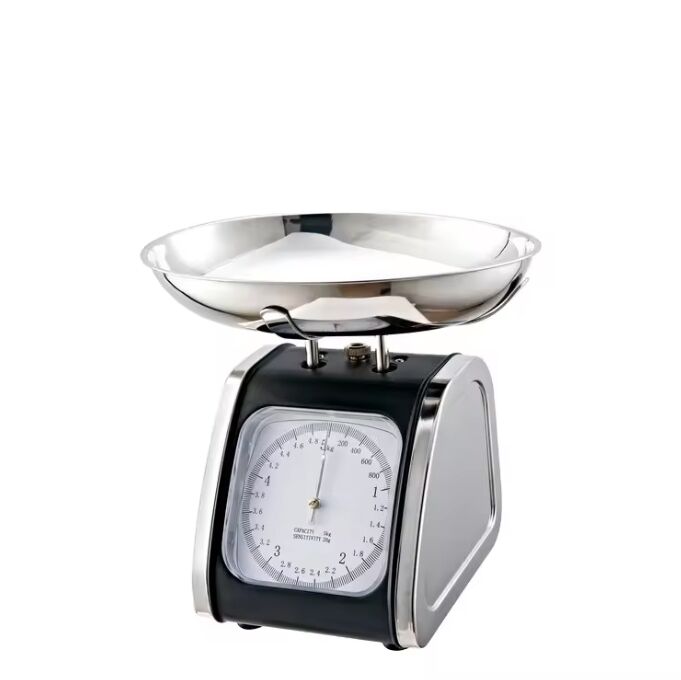
Precision in the kitchen transforms ordinary cooking into extraordinary culinary experiences. A food scale serves as the cornerstone of accurate measurement, elevating both everyday meal preparation and professional-level baking. Whether you're a seasoned chef or a home cooking enthusiast, understanding the versatile applications of this essential kitchen tool can revolutionize your approach to food preparation and ensure consistent, delicious results every time.
Essential Role in Baking Precision
Achieving Perfect Flour Measurements
Baking demands mathematical precision that volume measurements simply cannot provide. When measuring flour by cups, variations in packing density can result in differences of up to 30% in actual ingredient amounts. A reliable food scale eliminates this uncertainty by providing consistent gram measurements. Professional bakers worldwide rely on weight-based recipes because they understand that 125 grams of flour will always yield the same results, regardless of how it's scooped or settled.
The science behind flour measurement reveals why precision matters so significantly. All-purpose flour typically weighs 120-125 grams per cup when properly measured, but casual scooping can easily result in 140-150 grams per cup. This excess flour creates dense, heavy baked goods that lack the intended texture and rise. Digital kitchen scales with 1-gram precision ensure that every batch of cookies, bread, or pastry maintains the exact flour-to-liquid ratio that recipes demand.
Perfecting Sugar and Fat Ratios
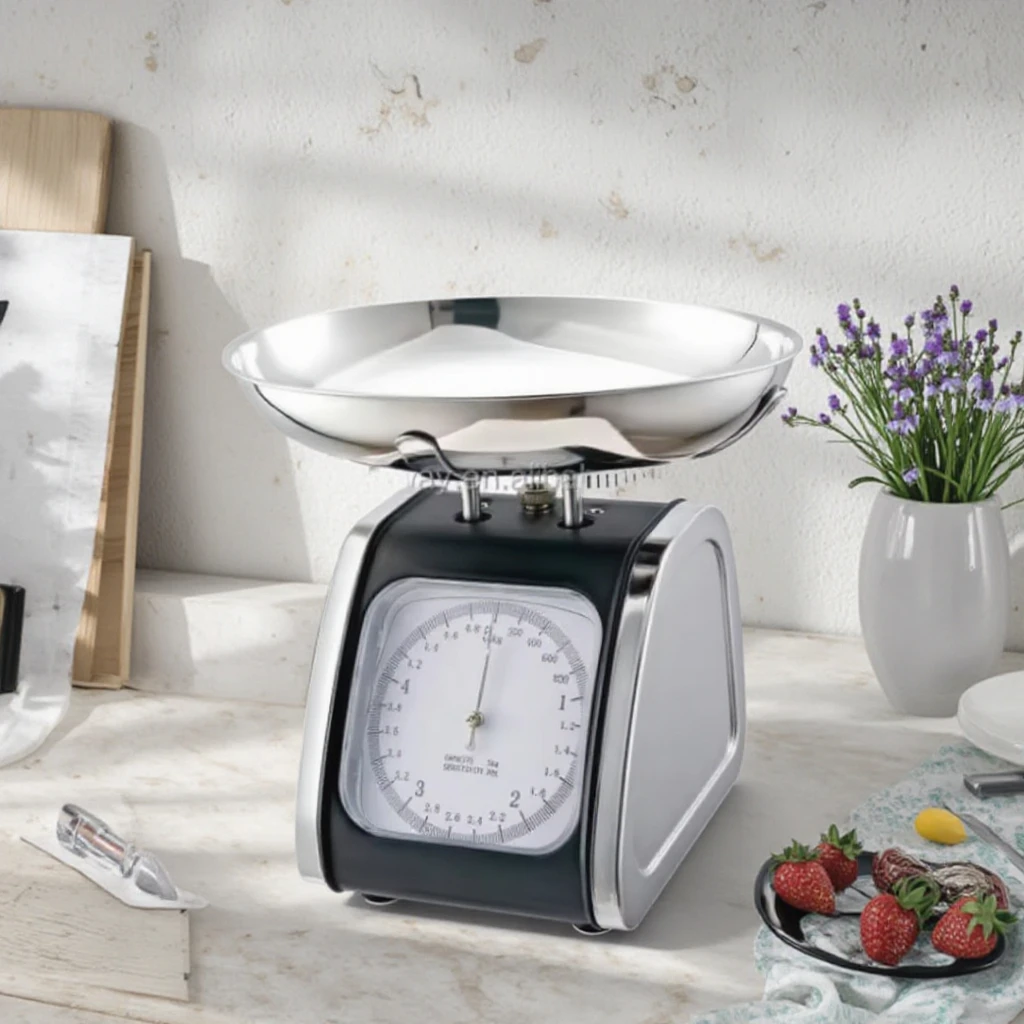
Sugar measurement presents unique challenges in baking applications. Brown sugar's moisture content and granulated sugar's crystal size affect volume measurements dramatically. Using a food scale ensures that the 200 grams of sugar specified in a recipe translates to consistent sweetness and proper chemical reactions during baking. The precise sugar content affects not only taste but also browning, texture, and moisture retention in finished products.
Butter and oil measurements benefit equally from scale precision. Room temperature butter can vary significantly in density compared to cold butter, making cup measurements unreliable. Weighing butter guarantees the exact fat content necessary for proper dough development, lamination in pastries, and emulsification in cake batters. Professional pastry chefs consider weight-based fat measurement non-negotiable for achieving consistent results across multiple batches.
Meal Preparation and Portion Control
Accurate Protein Portioning
Meal preparation relies heavily on consistent protein portions to maintain nutritional goals and budget control. A food scale enables precise measurement of chicken breast, fish fillets, and other proteins, ensuring each meal contains the intended amount of protein. This accuracy becomes particularly important for individuals following specific dietary plans, athletes managing macronutrient intake, or families trying to control food costs through proper portion sizing.
Restaurant-quality plating begins with accurate protein portioning. Professional kitchens use scales to ensure every dish contains the specified amount of meat, fish, or plant-based protein. Home cooks can achieve similar consistency by weighing proteins before cooking, accounting for moisture loss during the cooking process. This practice eliminates guesswork and ensures that each family member receives equal portions while maintaining recipe integrity.
Vegetable and Grain Measurements
Complex recipes often call for specific amounts of vegetables measured by weight rather than volume. Diced onions, chopped carrots, and minced garlic can vary dramatically in volume depending on cutting technique and natural size variations. Weighing these ingredients ensures recipe balance and flavor consistency. A food scale becomes particularly valuable when preparing large batches for meal prep, where ingredient scaling must maintain proper ratios.
Rice, quinoa, and other grains present unique measurement challenges due to their irregular shapes and varying densities. One cup of rice can weigh anywhere from 185 to 200 grams depending on the variety and how it settles. Using weight measurements for grains ensures proper cooking liquid ratios and consistent texture results. This precision becomes crucial when preparing multiple servings or when recipe success depends on exact grain-to-liquid proportions.
Specialty Cooking Applications
Bread Making and Yeast Management
Artisan bread making represents one of the most demanding applications for food scale precision. Baker's percentages, the professional standard for bread formulas, express all ingredients as percentages of flour weight. This system allows bakers to scale recipes up or down while maintaining perfect ratios. A food scale enables home bakers to work with these professional formulas, accessing a world of traditional and innovative bread recipes that rely on weight-based measurements.
Yeast activation and salt content require particular precision in bread making. Too much salt can inhibit yeast activity, while too little results in bland, poorly structured bread. Professional bread recipes typically call for 1-2% salt by flour weight, a precision impossible to achieve with volume measurements. Similarly, yeast amounts must be carefully controlled to achieve proper fermentation timing and flavor development.
Confectionery and Chocolate Work
Chocolate tempering and candy making demand absolute precision in ingredient ratios and temperatures. A food scale becomes indispensable when working with chocolate, where cocoa butter content and sugar ratios determine final texture and appearance. Professional chocolatiers rely on weight measurements to ensure consistent results when creating truffles, bonbons, and other confections that require precise ratios of chocolate, cream, and flavorings.
Sugar work and caramel production require exact measurements to achieve specific temperatures and textures. The difference between soft caramel and hard crack candy often comes down to precise sugar and liquid ratios that only weight measurements can guarantee. Food scales enable home confectioners to replicate professional techniques and achieve results that match commercial-quality candies and desserts.
Health and Dietary Benefits
Nutritional Tracking and Macro Management
Modern nutrition tracking apps and dietary planning rely on weight-based measurements for accuracy. A food scale enables precise logging of food intake, essential for individuals managing diabetes, following ketogenic diets, or tracking macronutrients for fitness goals. The difference between 100 grams and 150 grams of chicken breast represents significant variations in protein, calories, and other nutrients that can impact dietary success.
Portion control becomes more manageable with consistent weighing habits. Many people underestimate serving sizes when relying on visual cues alone. Research shows that using a food scale for portion control can improve weight management outcomes and help individuals develop better understanding of appropriate serving sizes. This awareness often persists even when the scale isn't available, creating long-term benefits for healthy eating habits.
Allergen Management and Ingredient Substitution
Food allergies and dietary restrictions often require careful ingredient substitutions that maintain recipe balance. A food scale enables precise measurement of alternative flours, sugar substitutes, and other specialty ingredients. For example, almond flour weighs differently than wheat flour, and successful substitution requires adjusting quantities by weight rather than volume to maintain proper texture and structure.
Cross-contamination prevention in kitchens serving individuals with severe allergies benefits from the precision that food scales provide. Exact measurements ensure that alternative ingredients are used in appropriate quantities, reducing the risk of texture or flavor failures that might lead to food waste or disappointing results for those with dietary restrictions.
Professional Kitchen Integration
Recipe Development and Testing
Recipe development requires systematic testing and adjustment that relies heavily on precise measurements. Food scales enable recipe developers to document exact ingredient amounts and make incremental adjustments to achieve desired results. This precision proves crucial when scaling recipes from test kitchen portions to commercial production quantities or when adapting recipes for different serving sizes.
Cost control in professional kitchens depends on accurate ingredient measurement and portion control. Food scales help kitchen managers track food costs precisely, identify areas of waste, and ensure that menu items maintain consistent profit margins. The ability to measure ingredients exactly enables restaurants to provide consistent quality while controlling expenses through proper portioning.
Quality Consistency and Training
Staff training in professional kitchens becomes more effective when recipes specify weights rather than subjective measurements. New employees can achieve consistent results more quickly when following weight-based recipes, reducing training time and improving overall kitchen efficiency. Food scales eliminate the variables that come with different individuals' interpretations of volume measurements.
Quality assurance programs in food service rely on standardized measurements to maintain consistency across multiple locations or shifts. Food scales provide the foundation for replicable processes that ensure customers receive identical products regardless of who prepares their food or when they visit the establishment.
FAQ
What accuracy level should I look for in a kitchen food scale
Most home cooking applications require accuracy to the nearest gram, though serious baking benefits from 0.1-gram precision for small quantities of ingredients like yeast, baking powder, or spices. Digital scales with 1-gram accuracy handle the vast majority of cooking and baking tasks effectively, while 0.1-gram precision becomes valuable for recipe development or when working with expensive ingredients where waste should be minimized.
How do I properly maintain and calibrate my food scale
Regular cleaning with a damp cloth and mild detergent keeps scales functioning properly, avoiding submersion in water unless specifically rated as waterproof. Most digital scales include calibration functions accessible through button combinations, and periodic calibration using standard weights ensures continued accuracy. Store scales in dry locations and avoid extreme temperature changes that can affect electronic components and measurement precision.
Can I use a food scale for liquid measurements
Food scales excel at measuring liquids when recipes specify weights rather than volumes. Water-based liquids like milk, cream, and oils can be measured directly on the scale, often providing more accuracy than measuring cups. However, understanding the density differences between various liquids helps ensure proper conversions when adapting volume-based recipes to weight measurements.
What capacity food scale works best for home kitchens
A 5-kilogram capacity handles most home cooking needs, accommodating large mixing bowls and substantial ingredient quantities for batch cooking or baking. Smaller 2-3 kilogram scales work well for basic cooking but may limit flexibility when preparing large recipes or weighing heavy items like whole chickens or large roasts. Consider your typical cooking patterns and whether you frequently prepare large batches when selecting appropriate capacity.