 EN
EN

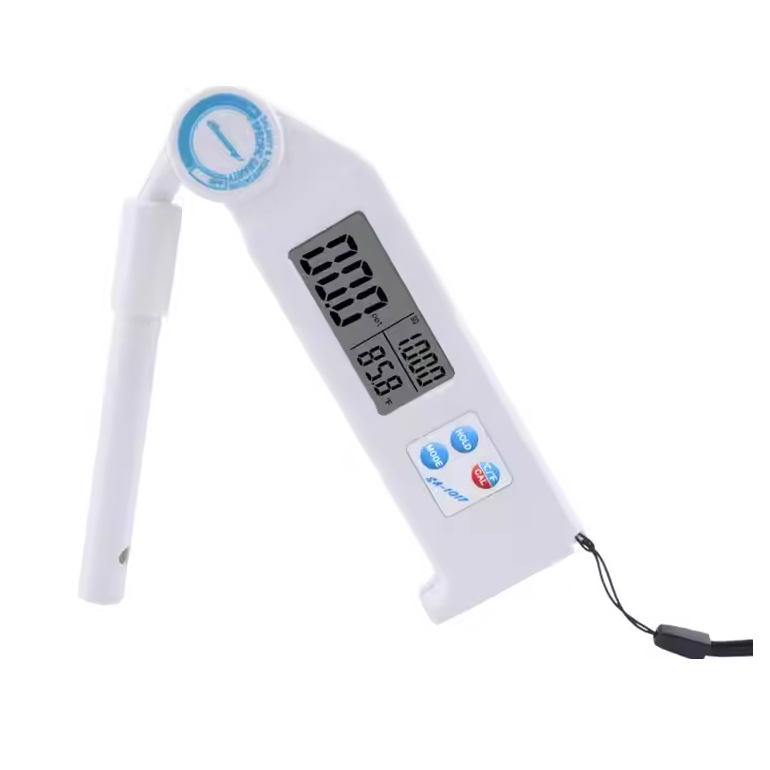
Selecting the appropriate thermometer for your household needs requires careful consideration of various factors including accuracy, speed, versatility, and ease of use. Modern families rely on precise temperature measurements for cooking safety, food preparation, and ensuring optimal results in the kitchen. Whether you're a seasoned chef or an occasional cook, having the right temperature measuring device can significantly impact your culinary success and food safety practices.
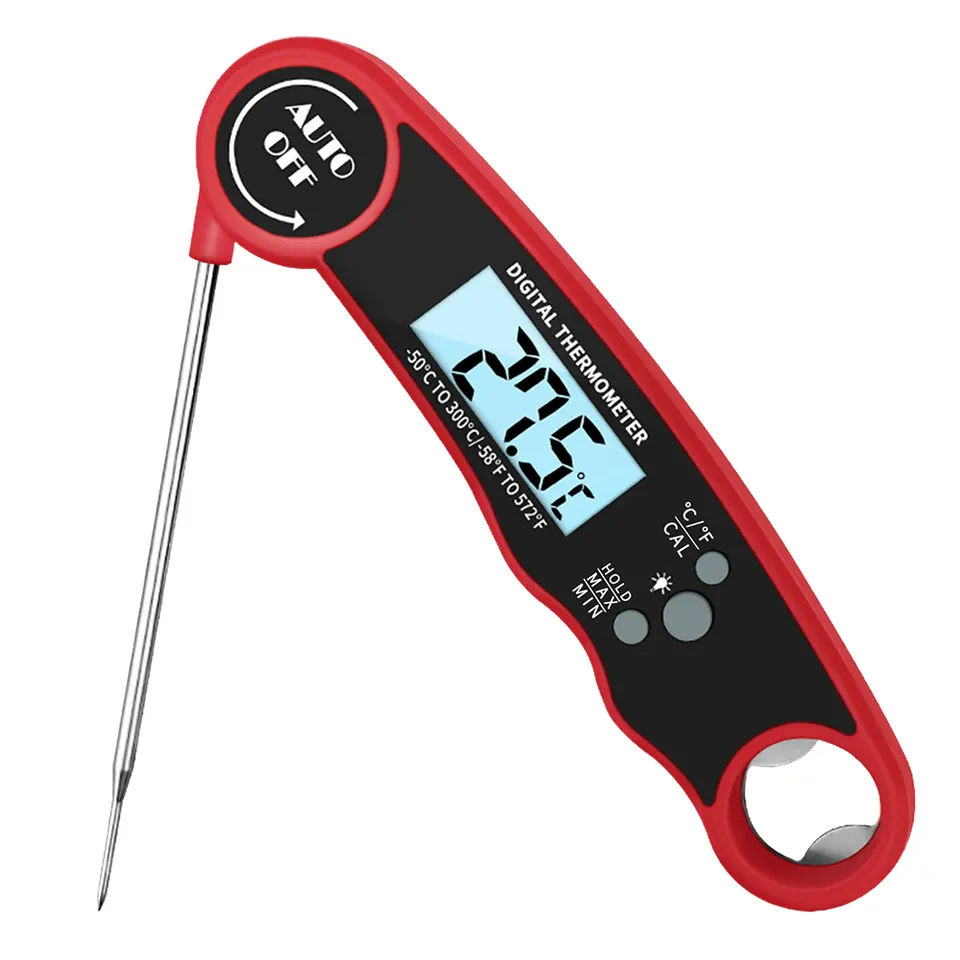
Understanding Different Types of Kitchen Thermometers
Digital Probe Thermometers
Digital probe thermometers represent the most advanced category of kitchen temperature measurement tools available today. These devices feature electronic sensors that provide rapid and accurate readings, making them essential for professional and home cooking applications. The instant read meat thermometer stands out as the most popular choice among digital options due to its quick response time and precision capabilities.
Most digital probe models offer temperature ranges from below freezing to several hundred degrees Fahrenheit, accommodating various cooking methods and food types. The digital display eliminates guesswork and provides clear, easy-to-read measurements that ensure consistent results. Advanced models often include features such as programmable alarms, memory functions, and wireless connectivity for enhanced convenience.
Analog and Traditional Options
Traditional analog thermometers continue to serve specific purposes in modern kitchens despite the prevalence of digital alternatives. These mechanical devices rely on temperature-sensitive metals or liquids to indicate temperature changes through needle movement or liquid expansion. While they may lack the precision of an instant read meat thermometer, analog options often provide durability and reliability without requiring batteries or electronic components.
Dial thermometers represent the most common analog type, featuring a circular face with temperature markings and a pointer that moves based on internal temperature changes. These devices work well for oven monitoring and slow-cooking applications where precise timing matters less than general temperature awareness. Their simple construction makes them suitable for harsh cooking environments where electronic devices might fail.
Essential Features to Consider
Response Time and Accuracy
Response time significantly impacts the practicality and effectiveness of any kitchen thermometer. An instant read meat thermometer typically provides readings within two to five seconds, allowing cooks to quickly check temperatures without prolonged exposure to heat or cold. This rapid response prevents overcooking and ensures food safety by enabling timely temperature verification.
Accuracy specifications vary among different models and manufacturers, with professional-grade devices offering precision within one degree Fahrenheit. For most home cooking applications, thermometers with accuracy ranges of plus or minus two degrees provide sufficient precision for safe and effective cooking. Consider the specific accuracy requirements for your cooking style and food safety needs when selecting appropriate models.
Durability and Construction Quality
Construction quality directly affects the longevity and reliability of kitchen thermometers under regular use conditions. Stainless steel probes resist corrosion and maintain accuracy over extended periods, while plastic components should demonstrate heat resistance and impact durability. The instant read meat thermometer models with reinforced probe connections typically withstand repeated insertions and temperature cycling better than cheaper alternatives.
Waterproof ratings become crucial for devices that require frequent cleaning or exposure to steam and moisture during cooking processes. Look for models with IPX ratings that indicate water resistance levels appropriate for kitchen environments. Additionally, consider the overall build quality including button responsiveness, display clarity, and housing integrity when evaluating long-term value propositions.
Specific Applications and Use Cases
Meat Cooking and Food Safety
Proper meat cooking requires precise temperature control to ensure food safety while maintaining desired texture and flavor characteristics. Different meat types require specific internal temperatures to eliminate harmful bacteria and achieve optimal doneness levels. An instant read meat thermometer enables cooks to verify these critical temperatures quickly and accurately throughout the cooking process.
Poultry products require internal temperatures of at least 165 degrees Fahrenheit to ensure safety, while beef and pork have varying requirements based on desired doneness levels. Ground meats present additional safety considerations due to increased bacterial exposure during processing, making accurate temperature measurement essential for risk prevention. Regular temperature monitoring during cooking prevents both undercooking and overcooking issues that compromise food quality.
Baking and Confectionery Applications
Baking applications demand precise temperature control for successful outcomes in bread making, pastry preparation, and confectionery work. Yeast activation, sugar caramelization, and protein coagulation all depend on specific temperature ranges that require accurate measurement and timing. While an instant read meat thermometer primarily targets savory cooking, many models accommodate the temperature ranges needed for baking applications.
Candy making represents one of the most temperature-critical cooking processes, requiring measurements within narrow ranges to achieve desired textures and consistency. Thread, soft ball, hard ball, and hard crack stages each correspond to specific temperature points that determine final product characteristics. Professional confectioners rely on precise thermometers to consistently reproduce successful results across different environmental conditions.
Selection Criteria and Decision Factors
Budget Considerations and Value Assessment
Budget constraints often influence thermometer selection decisions, but focusing solely on initial purchase price may overlook long-term value considerations. Entry-level instant read meat thermometer models typically cost between fifteen and thirty dollars, while professional-grade options may exceed one hundred dollars. The price difference usually reflects accuracy specifications, construction quality, and additional features rather than basic functionality.
Consider the frequency of use and cooking complexity when evaluating budget allocations for temperature measurement tools. Occasional cooks may find basic models sufficient for their needs, while frequent entertainers or serious home chefs benefit from investing in higher-quality devices. Calculate the potential cost of food waste, safety risks, and cooking failures when assessing the true value of different price points.
Brand Reputation and Warranty Coverage
Established manufacturers often provide better customer support, warranty coverage, and replacement part availability compared to lesser-known brands. Research brand reputation through professional reviews, customer feedback, and industry recommendations before making final purchase decisions. Companies specializing in cooking equipment typically offer more reliable products than generic electronics manufacturers entering the kitchen market.
Warranty terms vary significantly among manufacturers, with some offering limited one-year coverage while others provide extended protection periods. Consider the warranty scope including coverage for defects, accuracy drift, and normal wear issues. Some premium instant read meat thermometer models include calibration services or replacement guarantees that add substantial value for serious cooking enthusiasts.
Maintenance and Care Guidelines
Cleaning and Sanitization Procedures
Proper cleaning and sanitization practices extend thermometer lifespan while ensuring food safety compliance in kitchen environments. Most instant read meat thermometer models require gentle cleaning with warm soapy water followed by thorough rinsing and air drying. Avoid submerging electronic components unless the device carries appropriate waterproof ratings that permit full immersion cleaning.
Sanitization becomes particularly important when measuring temperatures of raw meats or potentially contaminated foods. Use food-safe sanitizing solutions or alcohol wipes to clean probe surfaces between different food items during cooking sessions. Some models feature removable probe covers or sleeves that simplify cleaning processes while protecting sensitive components from damage or contamination.
Calibration and Accuracy Maintenance
Regular calibration ensures continued accuracy and reliability throughout the device's operational lifespan. Most quality thermometers maintain factory calibration for extended periods, but verification testing helps identify accuracy drift before it affects cooking results. Ice water and boiling water tests provide simple methods for checking calibration at known temperature points accessible in most kitchens.
Professional models may include calibration adjustment features that allow users to correct minor accuracy deviations without manufacturer service. Document calibration test results and adjustment procedures to track device performance over time. Replace or service thermometers that demonstrate consistent accuracy problems beyond acceptable tolerances for your cooking requirements.
Advanced Features and Technology Integration
Wireless Connectivity and Smart Features
Modern instant read meat thermometer models increasingly incorporate wireless connectivity features that enable remote monitoring and data logging capabilities. Bluetooth and WiFi connections allow cooks to monitor temperatures from other rooms while maintaining cooking supervision. Mobile applications often provide preset temperature targets, cooking timers, and temperature history tracking for improved cooking management.
Smart thermometers may include multiple probe support for monitoring several food items simultaneously during large meal preparation. Cloud connectivity enables recipe sharing, cooking technique documentation, and performance analysis across multiple cooking sessions. These advanced features appeal particularly to technology-oriented cooks who appreciate data-driven cooking approaches and automated monitoring systems.
Multi-Function Capabilities
Versatile thermometer designs combine multiple measurement functions within single devices to maximize utility and kitchen space efficiency. Some models integrate ambient temperature sensors alongside probe measurements, enabling oven monitoring and environmental temperature tracking. Timer functions, alarm systems, and programmable temperature targets add convenience features that enhance cooking workflow management.
Interchangeable probe options expand measurement capabilities for different cooking applications and food types. Thin probes work well for delicate foods that require minimal penetration, while heavy-duty probes handle tough meats and high-temperature applications. The instant read meat thermometer models with probe variety accommodate diverse cooking styles and food preparation requirements within single device platforms.
FAQ
What temperature accuracy should I expect from a quality instant read meat thermometer
Quality instant read meat thermometer models typically provide accuracy within plus or minus one to two degrees Fahrenheit across their measurement range. Professional-grade devices may achieve even tighter tolerances, while budget options might have slightly wider accuracy ranges. For most home cooking applications, accuracy within two degrees proves sufficient for food safety and cooking success.
How often should I calibrate my kitchen thermometer
Calibration frequency depends on usage intensity and accuracy requirements, but most manufacturers recommend annual verification for regular home use. Professional kitchens or frequent cooks may benefit from quarterly calibration checks, particularly when cooking safety-critical foods like poultry or ground meats. Perform immediate calibration verification if you suspect accuracy problems or after dropping or damaging the device.
Can I use an instant read meat thermometer for liquids and baking applications
Most instant read meat thermometer models accommodate liquid temperature measurement and many baking applications within their specified temperature ranges. Verify that your chosen model covers the temperature ranges required for your specific cooking needs, as some devices focus on meat cooking temperatures while others offer broader measurement capabilities. Avoid using meat-specific thermometers for candy making or other high-temperature applications unless explicitly rated for those ranges.
What features make a thermometer suitable for family cooking needs
Family-friendly thermometer features include easy-to-read displays, intuitive controls, quick response times, and durable construction that withstands regular use by multiple family members. Safety features such as automatic shutoff, temperature alarms, and heat-resistant handles add value for households with varying cooking experience levels. Consider models with preset temperature targets for common foods to simplify cooking for less experienced family members.