 EN
EN

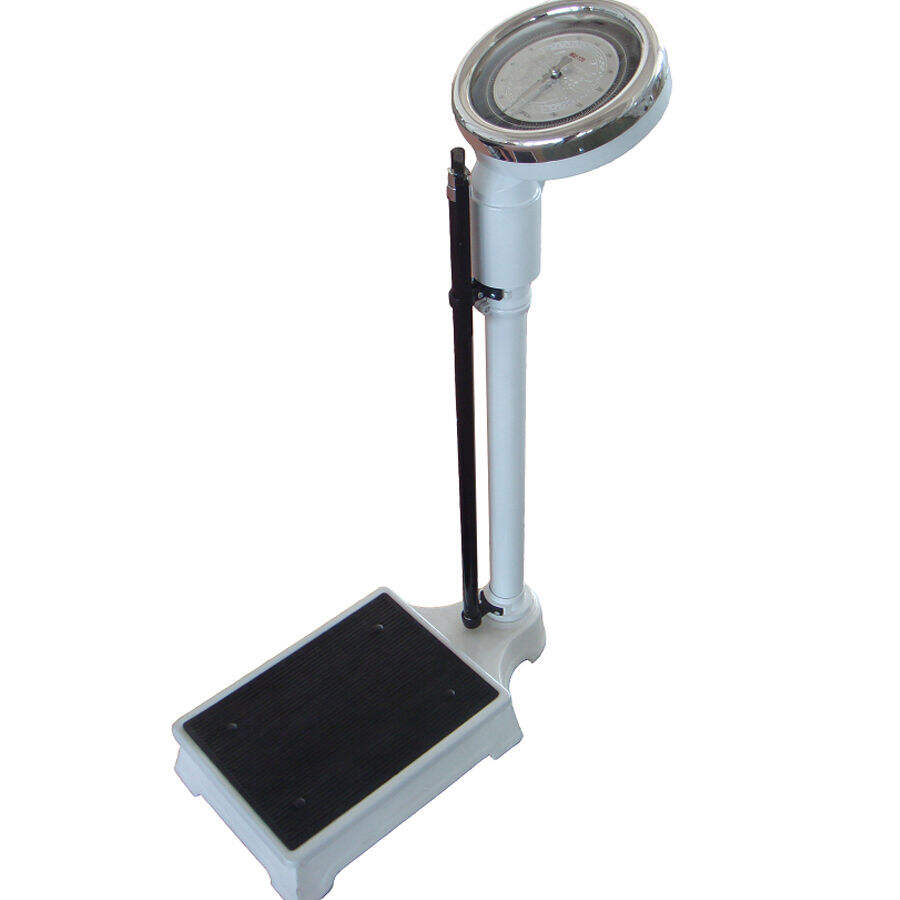
Accurate measurement of pediatric growth parameters stands as one of the most critical aspects of child healthcare monitoring. Healthcare professionals and parents alike recognize that consistent tracking of a child's physical development provides essential insights into their overall health status. A height weight scale specifically designed for pediatric use offers comprehensive measurement capabilities that traditional scales cannot match, combining both vertical growth and weight assessment in a single, efficient process.
The integration of height measurement with weight tracking through specialized pediatric equipment represents a significant advancement in child health monitoring technology. Modern healthcare facilities increasingly adopt these combined measurement systems to streamline their assessment procedures while ensuring accuracy and reliability. The simultaneous collection of both metrics eliminates the need for separate measurements, reducing the time children spend in potentially stressful measurement situations while improving overall clinic efficiency.
Professional healthcare providers understand that growth pattern analysis requires consistent, precise measurements taken under standardized conditions. A height weight scale designed for pediatric applications addresses these requirements by providing stable platforms, appropriate sizing for children of various ages, and digital precision that manual measurement methods cannot achieve. These devices often incorporate features specifically tailored to the unique challenges of measuring active, sometimes uncooperative young patients.
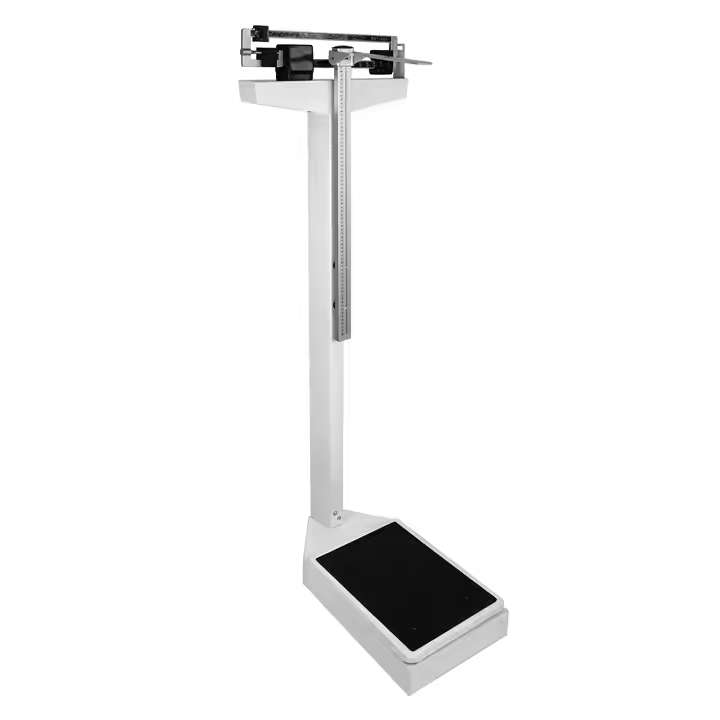
Advanced Features of Modern Pediatric Measurement Systems
Digital Precision and Accuracy Standards
Contemporary height weight scale technology incorporates advanced digital sensors that deliver measurement precision within minimal margins of error. These systems typically achieve weight accuracy to within 10 grams and height measurements precise to 1 millimeter, far exceeding the capabilities of traditional mechanical scales. The digital displays provide clear, easily readable results that eliminate interpretation errors common with analog measurement devices.
Calibration protocols for professional-grade pediatric measurement equipment ensure consistent accuracy over extended periods of use. Many systems include automatic calibration features that adjust for environmental factors such as temperature fluctuations and mechanical settling. This technological sophistication guarantees that healthcare providers can rely on measurement consistency across different time periods and various operational conditions.
The integration of load cells and ultrasonic height sensors in modern height weight scale designs provides simultaneous measurement capabilities without compromising accuracy. These dual-sensor systems communicate through sophisticated electronics that coordinate timing and ensure both measurements reflect the same moment in time, eliminating discrepancies that might arise from sequential measurement processes.
Safety and Comfort Considerations
Pediatric measurement equipment prioritizes child safety through numerous design elements specifically engineered for young patients. Non-slip surfaces prevent accidents during the measurement process, while rounded edges and stable base constructions minimize injury risks. Many height weight scale models incorporate safety railings or support handles that children can grasp during measurement procedures, providing additional stability and confidence.
Temperature-controlled platform surfaces ensure comfortable contact for bare feet, addressing a common concern in pediatric measurement scenarios. Some advanced systems include heated platforms that maintain body-temperature surfaces, eliminating the discomfort associated with cold metal or plastic contact. These comfort features contribute significantly to patient cooperation and measurement accuracy.
Child-friendly design elements, including colorful displays and engaging visual features, help reduce anxiety associated with medical measurements. Interactive elements such as voice prompts or animated displays can transform the measurement experience from a potentially stressful medical procedure into a more positive interaction. These psychological considerations often prove crucial in obtaining accurate measurements from young patients.
Clinical Applications and Healthcare Integration
Growth Chart Documentation and Tracking
Healthcare providers utilize height weight scale measurements to populate standardized growth charts that track pediatric development over time. These measurements form the foundation for identifying growth abnormalities, nutritional deficiencies, or potential health concerns that might require intervention. Accurate documentation of both parameters allows medical professionals to calculate body mass index and assess whether children fall within normal percentile ranges for their age groups.
Electronic medical record integration capabilities enable seamless transfer of measurement data from modern height weight scale systems directly into patient files. This digital connectivity eliminates transcription errors while ensuring that growth data becomes immediately available to all healthcare team members. Automated data entry also reduces administrative burden on clinical staff, allowing more time for direct patient care activities.
Longitudinal tracking capabilities supported by consistent measurement protocols help healthcare providers identify subtle growth pattern changes that might indicate underlying health issues. Regular monitoring with reliable height weight scale equipment enables early detection of growth disorders, allowing for timely intervention and treatment adjustments.
Research and Population Health Studies
Research institutions and public health organizations depend on standardized measurement protocols using calibrated height weight scale equipment to conduct population-based studies on pediatric growth patterns. These large-scale research efforts require measurement consistency across multiple sites and extended time periods, making equipment reliability and accuracy essential factors in study validity.
Epidemiological studies examining relationships between growth patterns and various health outcomes rely heavily on precise height and weight measurements collected through standardized procedures. The data quality achieved through professional-grade measurement equipment directly impacts the reliability and validity of research conclusions, making equipment selection a critical consideration for research protocols.
Cross-cultural and international research collaboration requires measurement standardization that transcends geographic boundaries. Universal calibration standards and consistent measurement protocols enabled by modern height weight scale technology facilitate meaningful data comparison across different populations and healthcare systems, supporting global pediatric health research initiatives.
Implementation Considerations for Healthcare Facilities
Space Requirements and Installation Planning
Healthcare facilities must consider spatial requirements when selecting and positioning height weight scale equipment within clinical environments. Adequate clearance around measurement stations ensures patient safety and allows healthcare providers sufficient space to assist children during the measurement process. Proper positioning relative to electronic medical record terminals and other clinical equipment optimizes workflow efficiency.
Power supply considerations and data connectivity requirements influence installation planning for modern height weight scale systems. Many contemporary models require electrical connections for digital displays and data transmission capabilities, necessitating proximity to power outlets and network access points. Wireless connectivity options may provide installation flexibility in some clinical environments.
Traffic flow patterns within clinical areas affect optimal placement of measurement stations to minimize disruptions to other healthcare activities. Strategic positioning of height weight scale equipment can enhance patient privacy while maintaining accessibility for healthcare providers and patients with mobility limitations. Environmental factors such as lighting and temperature control also influence measurement accuracy and patient comfort.
Staff Training and Standardization Protocols
Effective utilization of height weight scale technology requires comprehensive staff training programs that address both technical operation and patient interaction protocols. Healthcare providers must understand proper positioning techniques, calibration procedures, and troubleshooting methods to ensure consistent measurement quality. Training programs should emphasize the importance of standardized measurement conditions and patient preparation procedures.
Quality assurance protocols help maintain measurement accuracy and reliability over time through regular equipment checks and staff competency assessments. These protocols typically include daily calibration verification, monthly accuracy testing, and annual comprehensive equipment evaluation. Documentation of these quality assurance activities supports accreditation requirements and ensures measurement traceability.
Continuing education programs keep healthcare staff updated on advances in measurement technology and evolving best practices for pediatric growth monitoring. As height weight scale technology continues to advance, ongoing training ensures that healthcare providers can maximize the benefits of equipment upgrades and new features that enhance measurement accuracy and efficiency.
Economic Benefits and Return on Investment
Efficiency Improvements and Time Savings
Investment in integrated height weight scale systems generates measurable efficiency improvements through reduced measurement time and streamlined clinical workflows. Traditional measurement approaches requiring separate height and weight assessments consume more clinical time and increase opportunities for measurement errors. Combined measurement systems can reduce total assessment time by up to fifty percent while improving accuracy.
Automated data recording and electronic medical record integration eliminate manual transcription tasks that consume valuable clinical staff time. These efficiency gains allow healthcare providers to schedule more patient appointments within existing time slots, potentially increasing facility revenue while improving patient access to care. Reduced administrative burden also allows clinical staff to focus more attention on direct patient interaction and care activities.
Standardized measurement protocols supported by reliable height weight scale equipment reduce the need for repeat measurements due to questionable results or equipment malfunction. This reliability improvement decreases patient inconvenience while optimizing clinical resource utilization. Consistent measurement quality also reduces liability risks associated with inaccurate health assessments.
Long-term Equipment Durability and Maintenance
Professional-grade height weight scale equipment typically offers extended service life expectancy that justifies initial investment costs through years of reliable operation. Quality construction materials and robust engineering design enable these systems to withstand the demanding conditions of high-volume clinical environments. Regular maintenance protocols help ensure optimal performance throughout the equipment lifecycle.
Warranty coverage and service support availability factor significantly into total cost of ownership calculations for height weight scale investments. Comprehensive service agreements can provide predictable maintenance costs while ensuring minimal equipment downtime. Some manufacturers offer remote diagnostic capabilities that enable proactive maintenance scheduling and rapid problem resolution.
Technology upgrade pathways allow healthcare facilities to enhance equipment capabilities without complete system replacement in many cases. Modular design approaches enable selective component upgrades that extend equipment useful life while incorporating technological advances. This upgrade flexibility helps protect initial equipment investments while maintaining competitive measurement capabilities.
FAQ
What age range can be accommodated by pediatric height weight scales
Most professional pediatric height weight scale systems accommodate children from infancy through adolescence, typically supporting weight ranges from 2 pounds to 350 pounds and height measurements from 12 inches to 84 inches. Adjustable features allow the same equipment to serve patients across multiple age groups effectively.
How often should height weight scale equipment be calibrated
Professional healthcare guidelines recommend daily verification checks and weekly calibration procedures for height weight scale equipment used in clinical environments. Annual comprehensive calibration by certified technicians ensures continued accuracy and compliance with medical device regulations.
Can height weight scale measurements be integrated with existing electronic health records
Modern height weight scale systems typically offer multiple integration options including direct electronic health record connectivity, wireless data transmission, and standardized data export formats. Most systems can be configured to work with existing healthcare information technology infrastructure.
What safety features are essential for pediatric measurement equipment
Essential safety features for pediatric height weight scale equipment include non-slip platform surfaces, rounded edges, stable base construction, emergency stop capabilities, and appropriate weight distribution to prevent tipping. Child-specific safety railings and support handles provide additional security during measurements.