 EN
EN

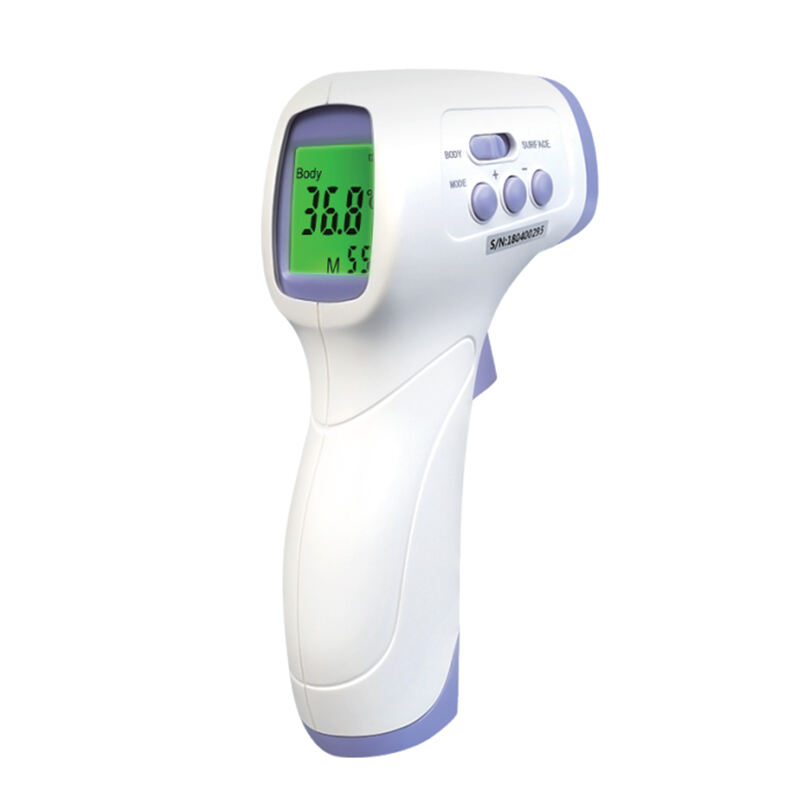
In emergency situations, every second counts, and having the right tools can make the difference between life and death. A fast-reading thermometer stands as one of the most crucial diagnostic instruments in any emergency response scenario. Whether you're dealing with a medical crisis at home, managing a professional emergency response situation, or working in a clinical environment, the ability to quickly and accurately measure temperature provides vital information for making informed decisions. The speed at which temperature readings can be obtained directly impacts the quality of care and response time, making fast-reading thermometer technology an indispensable asset in emergency preparedness.
Critical Role of Temperature Monitoring in Emergency Medicine
Life-Threatening Conditions Requiring Immediate Temperature Assessment
Temperature monitoring serves as a fundamental vital sign assessment that provides immediate insight into a patient's physiological state during emergencies. Hyperthermia, hypothermia, sepsis, and various infectious diseases all present with temperature abnormalities that require rapid identification. A fast-reading thermometer enables healthcare providers and first responders to quickly identify these conditions and initiate appropriate treatment protocols. The difference between a thermometer that takes thirty seconds versus one that provides readings in three seconds can be crucial when dealing with multiple casualties or time-sensitive medical emergencies.
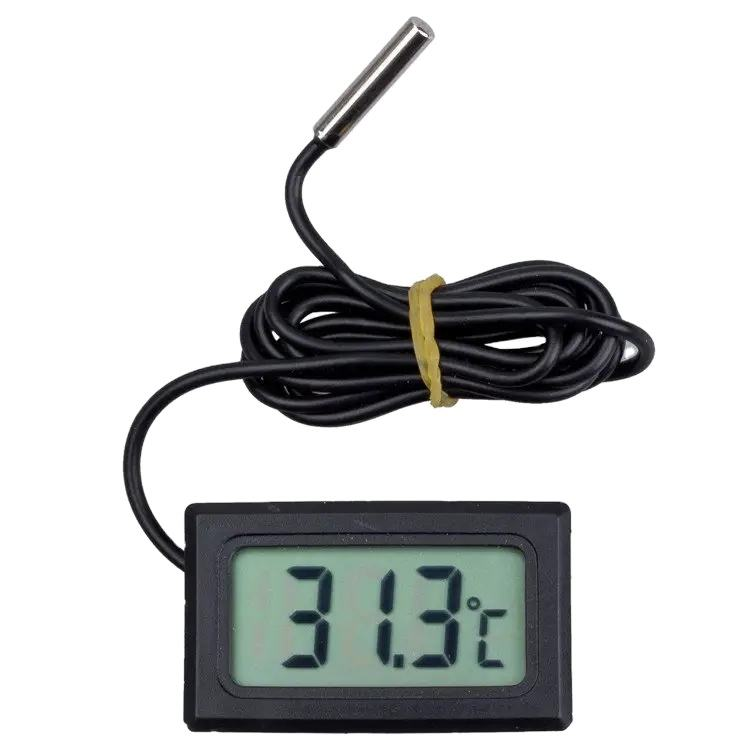
Emergency medical technicians and paramedics rely heavily on fast-reading thermometer devices to perform rapid triage assessments. During mass casualty events, the ability to quickly screen multiple patients for fever or hypothermia helps prioritize care and resource allocation. Traditional mercury thermometers or slower digital models simply cannot provide the speed necessary for effective emergency response. Modern infrared and digital probe thermometers designed for emergency use can deliver accurate readings within seconds, allowing medical personnel to move efficiently between patients while maintaining diagnostic accuracy.
Pediatric Emergency Considerations
Children present unique challenges in emergency situations, particularly when it comes to temperature measurement. Young patients may be uncooperative, distressed, or unable to maintain positions required for traditional thermometer use. A fast-reading thermometer designed for pediatric emergencies can obtain accurate readings with minimal patient cooperation, reducing stress on both the child and medical personnel. Non-contact infrared thermometers and rapid-response digital models have revolutionized pediatric emergency care by eliminating the need for prolonged physical contact while maintaining clinical accuracy.
Febrile seizures in children represent one of the most time-critical situations where rapid temperature assessment is essential. Parents and caregivers equipped with a fast-reading thermometer can quickly determine if a child's symptoms are related to fever, enabling them to take appropriate immediate action and provide crucial information to emergency services. The psychological benefit of rapid assessment also cannot be understated, as quick confirmation of temperature status helps reduce anxiety and enables more focused care decisions.
Technical Advantages of Fast-Reading Thermometer Technology
Advanced Sensor Technologies
Modern fast-reading thermometer devices employ sophisticated sensor technologies that dramatically reduce measurement time while maintaining clinical accuracy. Thermistor-based sensors and infrared detection systems can process temperature data within milliseconds, translating to user-ready readings in under five seconds. These technological advances represent significant improvements over traditional measurement methods that required extended contact times or multiple readings for accuracy verification. The integration of microprocessor technology allows for automatic calibration and error correction, ensuring that speed does not compromise measurement reliability.
Digital signal processing capabilities in contemporary fast-reading thermometer models enable real-time temperature tracking and trend analysis. This functionality proves invaluable in emergency scenarios where temperature changes over short periods can indicate evolving medical conditions. Advanced algorithms can filter out environmental interference and movement artifacts, providing stable readings even in challenging emergency environments. The combination of speed and technological sophistication makes these instruments essential tools for professional emergency response teams.
Accuracy and Reliability Under Pressure
The reliability of a fast-reading thermometer under emergency conditions depends on robust engineering and quality construction. Emergency environments present numerous challenges including temperature extremes, humidity, vibration, and potential physical impacts. Professional-grade fast-reading thermometer units are designed to maintain accuracy specifications across wide operating ranges and under adverse conditions. Clinical validation studies demonstrate that well-designed fast thermometers can match the accuracy of traditional methods while providing results in a fraction of the time.
Calibration stability represents another critical factor in emergency thermometer performance. A fast-reading thermometer that provides inconsistent results due to drift or environmental sensitivity becomes a liability rather than an asset in emergency situations. Quality manufacturers implement rigorous testing protocols and provide regular calibration procedures to ensure long-term reliability. The best emergency thermometers incorporate self-diagnostic features that alert users to potential accuracy issues before they compromise patient care.
Professional Emergency Response Applications
Hospital Emergency Department Efficiency
Emergency departments operate under constant pressure to process patients quickly while maintaining high standards of care. Fast-reading thermometer technology directly supports these dual objectives by reducing the time required for initial patient assessment. Triage nurses can complete temperature measurements in seconds rather than minutes, allowing for more rapid patient flow and reduced waiting times. This efficiency becomes particularly critical during surge capacity situations such as flu outbreaks or mass casualty events where emergency departments may need to process significantly higher patient volumes.
The integration of fast-reading thermometer data into electronic health record systems further enhances emergency department efficiency. Many modern units feature wireless connectivity or digital interfaces that automatically record measurements, reducing transcription errors and documentation time. This seamless data integration allows emergency physicians to access real-time temperature trends and make faster diagnostic decisions. The cumulative time savings from faster temperature measurement and automated documentation can add up to significant improvements in overall department throughput.
Ambulance and Pre-Hospital Care
Pre-hospital emergency care providers face unique challenges when using diagnostic equipment in moving vehicles and unpredictable environments. A fast-reading thermometer designed for ambulance use must provide accurate results despite vibration, limited lighting, and space constraints. Modern emergency medical services rely on these quick-reading instruments to establish baseline patient status and monitor changes during transport. The ability to obtain rapid temperature readings enables paramedics to initiate appropriate treatments and provide more detailed patient reports to receiving hospitals.
Flight medicine and helicopter emergency services present even more demanding requirements for fast-reading thermometer performance. The combination of altitude changes, engine noise, and vibration creates a challenging measurement environment that demands specialized equipment. Advanced fast-reading thermometer models designed for aeromedical use incorporate features such as enhanced display visibility, rugged construction, and simplified operation procedures that enable effective use in these extreme conditions.
Home Emergency Preparedness and First Aid
Family Emergency Planning
Home emergency preparedness has gained increasing attention as families recognize the importance of self-reliance during natural disasters and medical emergencies. A quality fast-reading thermometer should be included in every family's emergency medical kit, providing the capability to quickly assess fever in family members during situations where professional medical care may be delayed or unavailable. The speed of measurement becomes particularly important when dealing with multiple family members or when trying to calm distressed children who may not cooperate with longer measurement procedures.
Emergency preparedness experts recommend that families maintain multiple fast-reading thermometer units to ensure availability during extended emergency periods. Battery-powered models with long operational life and digital displays that remain visible in low-light conditions provide the best utility for home emergency use. Training family members in proper thermometer use and interpretation of results enhances the overall effectiveness of emergency medical response capabilities at the household level.
Workplace Safety and Occupational Health
Industrial and commercial workplaces increasingly incorporate fast-reading thermometer technology into their safety and health monitoring protocols. During health emergencies such as pandemic responses, the ability to quickly screen employees for fever has become a standard safety practice. Non-contact infrared thermometers enable rapid screening of large numbers of workers without creating bottlenecks or requiring close personal contact. This application of fast-reading thermometer technology helps maintain workplace safety while supporting business continuity during health crises.
Occupational health programs benefit from the integration of fast-reading thermometer monitoring in environments where workers face heat stress or chemical exposure risks. Quick temperature assessment capabilities allow safety personnel to rapidly evaluate worker conditions and make informed decisions about continued work exposure or medical intervention needs. The speed and accuracy of modern thermometers support proactive health monitoring that can prevent more serious medical emergencies from developing.
Selection Criteria for Emergency Thermometers
Performance Specifications
Selecting an appropriate fast-reading thermometer for emergency use requires careful consideration of performance specifications that directly impact effectiveness in critical situations. Response time represents the most obvious criterion, with the best emergency thermometers providing accurate readings within three to five seconds. However, speed must be balanced with accuracy, and reputable manufacturers provide detailed specifications for measurement precision across the intended operating temperature range. Clinical accuracy standards typically require measurements within 0.1 to 0.2 degrees Celsius of reference standards.
Operating range specifications determine the versatility of a fast-reading thermometer across different emergency scenarios. Units designed for general emergency use should provide accurate measurements across human physiological ranges while maintaining performance in varying environmental conditions. Battery life and power management features become critical considerations for emergency applications where instrument availability cannot be compromised by power failures. LED displays with adjustable brightness and automatic shut-off features help extend operational life while maintaining visibility in emergency conditions.
Durability and Reliability Features
Emergency environments demand exceptional durability from diagnostic instruments, making construction quality a primary selection criterion for fast-reading thermometer purchases. Impact resistance, water resistance, and temperature stability ensure that the instrument remains functional despite the challenging conditions typical of emergency response situations. Professional-grade units often feature reinforced housings, sealed electronic compartments, and shock-absorbing designs that protect sensitive measurement components from damage during transport and use.
Maintenance requirements and calibration procedures significantly impact the long-term reliability of fast-reading thermometer systems in emergency applications. The best emergency thermometers incorporate self-calibrating features and require minimal routine maintenance while providing indicators for when calibration verification is needed. User-replaceable components such as probe covers and batteries ensure continued operation without requiring specialized service support that may be unavailable during extended emergency situations.
Training and Implementation Considerations
User Training Requirements
Effective implementation of fast-reading thermometer technology in emergency response requires comprehensive user training that goes beyond basic operation procedures. Emergency responders must understand proper measurement techniques, potential sources of error, and appropriate interpretation of results within the context of overall patient assessment. Training programs should address the specific challenges of using thermometers in emergency environments, including techniques for obtaining accurate readings from uncooperative or unconscious patients.
Quality assurance procedures represent an essential component of emergency thermometer training programs. Users must understand calibration verification methods, recognize signs of instrument malfunction, and know when to discontinue use of potentially inaccurate devices. Regular competency assessments ensure that emergency personnel maintain proficiency with fast-reading thermometer operation and can effectively integrate temperature measurement into their overall emergency response protocols.
Integration with Emergency Protocols
The most effective emergency response organizations integrate fast-reading thermometer use into standardized protocols that define when and how temperature measurements should be obtained. These protocols specify measurement priorities during triage situations, documentation requirements, and decision trees that incorporate temperature data into treatment pathways. Standardized approaches ensure consistent application of thermometer technology across different emergency scenarios and personnel shifts.
Communication protocols must address how temperature measurement results are reported and shared among emergency response team members. Digital recording capabilities and wireless data transmission features in advanced fast-reading thermometer systems can facilitate real-time information sharing and reduce communication errors. Integration with existing emergency medical services communication systems enhances overall coordination and patient care continuity throughout the emergency response process.
FAQ
How accurate are fast-reading thermometers compared to traditional mercury thermometers
Modern fast-reading thermometer technology can achieve accuracy levels comparable to traditional mercury thermometers when properly calibrated and used according to manufacturer specifications. Digital probe thermometers typically provide accuracy within 0.1°C, while infrared models generally achieve accuracy within 0.2°C. The key advantage lies not in superior accuracy but in the combination of speed and reliability that enables more frequent and practical temperature monitoring in emergency situations.
What is the typical battery life for emergency-grade fast-reading thermometers
Emergency-grade fast-reading thermometer models typically provide 2000 to 5000 measurements on a single battery charge, depending on the specific technology and features incorporated. Models with LCD displays and wireless connectivity may have shorter battery life, while basic digital probe units often achieve longer operational periods. Most professional units include low-battery indicators and automatic power management features to maximize operational availability during extended emergency responses.
Can fast-reading thermometers be used on unconscious patients
Yes, fast-reading thermometer technology is particularly well-suited for unconscious patient assessment. Non-contact infrared models can obtain accurate readings without disturbing the patient, while digital probe thermometers can be used with minimal positioning requirements. The rapid measurement capability reduces the time required for patient contact, which is especially important when dealing with potentially infectious patients or when multiple assessments are needed in critical care situations.
How often should emergency thermometers be calibrated for accuracy
Emergency thermometer calibration frequency depends on usage intensity and manufacturer recommendations, but most professional units require calibration verification monthly or after every 1000 measurements. Some advanced fast-reading thermometer models include self-calibrating features that automatically adjust for environmental conditions and component aging. Emergency response organizations should establish calibration schedules that ensure accuracy while maintaining equipment availability, often maintaining backup units to allow for routine calibration without service interruptions.
Table of Contents
- Critical Role of Temperature Monitoring in Emergency Medicine
- Technical Advantages of Fast-Reading Thermometer Technology
- Professional Emergency Response Applications
- Home Emergency Preparedness and First Aid
- Selection Criteria for Emergency Thermometers
- Training and Implementation Considerations
- FAQ