 EN
EN

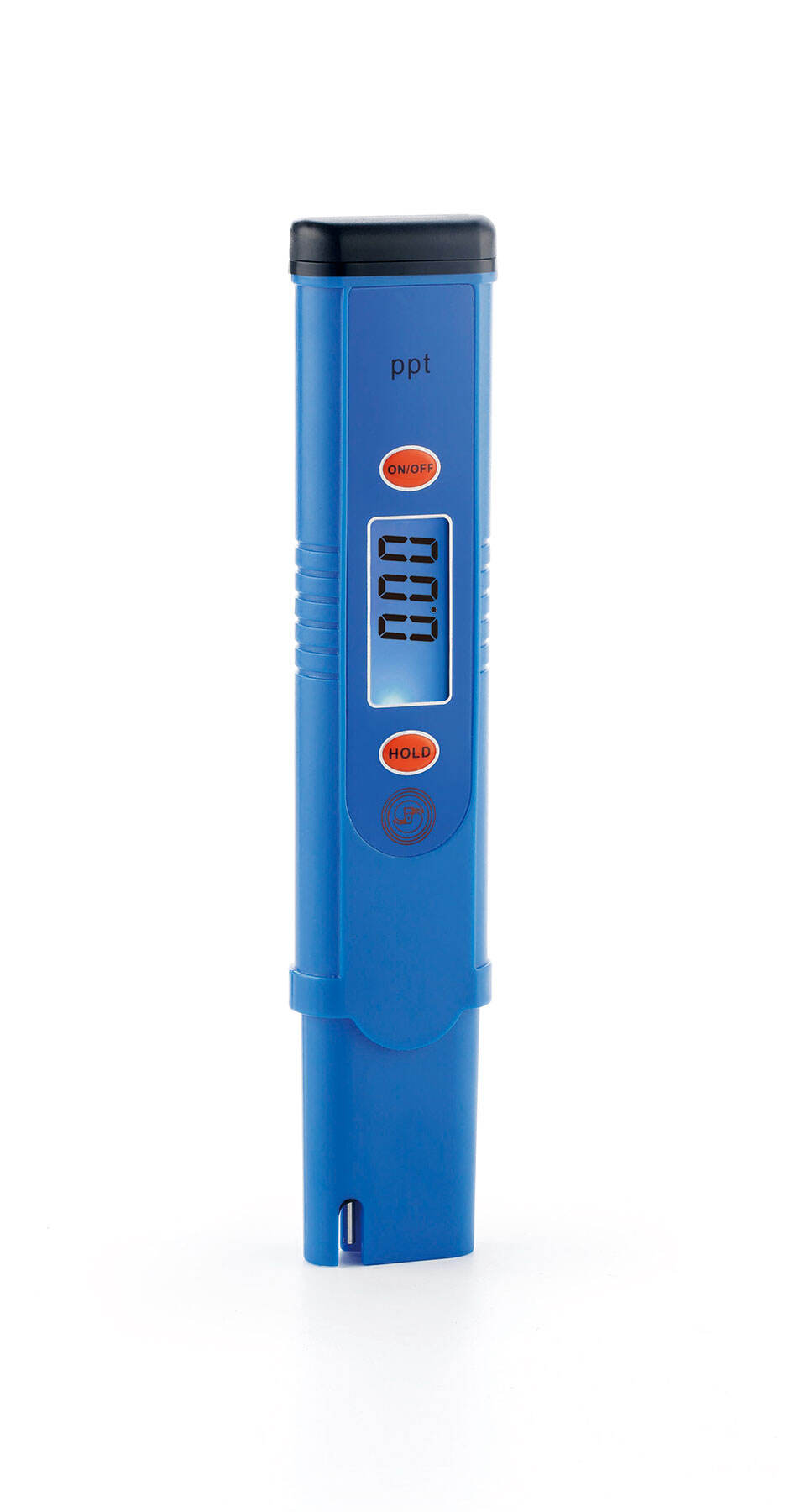
TDS meters have become increasingly popular tools for evaluating water quality, particularly when testing filtered water systems. However, many users question whether these devices provide accurate and reliable measurements for determining the effectiveness of their filtration systems. Understanding the accuracy limitations and proper applications of TDS meters is essential for making informed decisions about water quality assessment and filtration system performance evaluation.
The accuracy of TDS meters when testing filtered water depends on several factors, including the type of filtration system used, the original water source quality, and the specific contaminants present. While TDS meters can provide valuable baseline measurements and detect changes in dissolved solid concentrations, they cannot distinguish between beneficial minerals and harmful contaminants, which significantly impacts their utility as comprehensive water quality indicators for filtered water assessment.
Understanding TDS Meter Functionality and Measurement Principles
How TDS Meters Measure Dissolved Solids
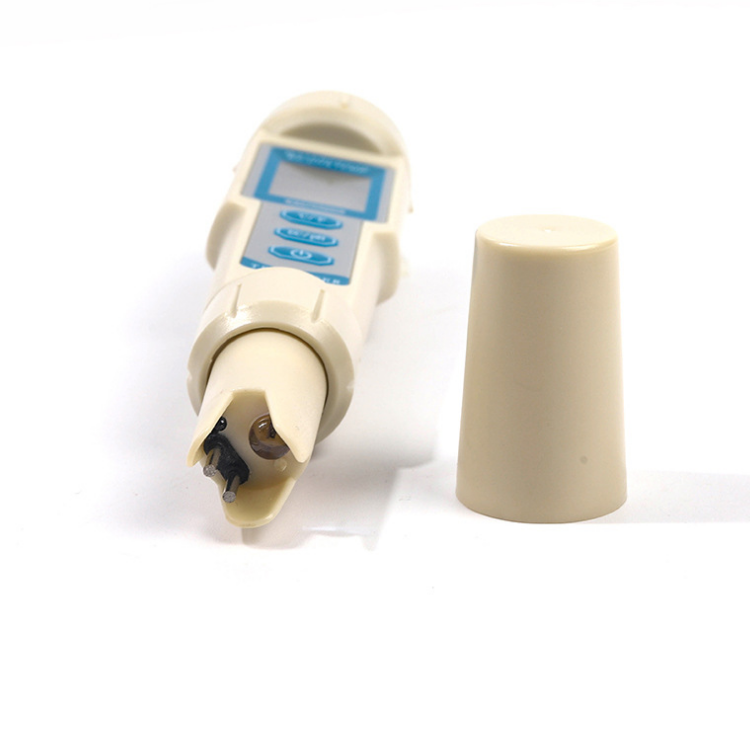
TDS meters operate by measuring the electrical conductivity of water and converting this measurement into an estimate of total dissolved solids concentration. When dissolved minerals, salts, and other ionic compounds are present in water, they increase the water's ability to conduct electricity. The meter applies a small electrical current between two electrodes and measures the resistance to calculate the TDS value, typically expressed in parts per million or milligrams per liter.
The accuracy of this measurement method relies on the assumption that all dissolved solids contribute proportionally to electrical conductivity. However, different substances have varying conductivity levels, which can affect the precision of TDS readings. Organic compounds, bacteria, viruses, and certain chemicals may not significantly impact conductivity measurements, meaning TDS meters cannot detect these potentially harmful contaminants in filtered water samples.
Modern TDS meters incorporate temperature compensation features to maintain measurement accuracy across different water temperatures. Temperature fluctuations can significantly affect conductivity readings, so quality meters automatically adjust their calculations based on the measured water temperature. This feature is particularly important when testing filtered water that may have different temperatures than the source water.
Calibration Requirements and Measurement Precision
Accurate TDS measurements require proper calibration using standard reference solutions with known conductivity values. Most quality TDS meters should be calibrated regularly, typically using solutions with conductivity values of 1413 microsiemens or 12,880 microsiemens. The calibration process ensures that the meter's readings align with established standards and maintain consistent accuracy over time.
The precision of TDS meters varies significantly based on their quality and design specifications. Professional-grade meters typically offer accuracy within two percent of the actual value, while lower-cost consumer models may have accuracy ranges of five to ten percent. This variation becomes particularly important when testing filtered water, where small changes in TDS levels may indicate filtration system performance or maintenance requirements.
Environmental factors can also impact measurement accuracy, including electromagnetic interference, water turbulence, and electrode contamination. Proper measurement techniques involve ensuring still water conditions, clean electrodes, and adequate measurement time for stabilized readings. These factors become especially critical when comparing TDS levels before and after filtration processes.
Filtration System Impact on TDS Readings and Accuracy
Reverse Osmosis Systems and TDS Reduction
Reverse osmosis filtration systems typically achieve the most dramatic reductions in TDS levels, often removing ninety to ninety-nine percent of dissolved solids from source water. When testing filtered water from reverse osmosis systems, TDS meters generally provide accurate measurements of the remaining dissolved solid concentrations. However, the extremely low TDS levels achieved by these systems can approach the lower detection limits of some meters, potentially affecting measurement precision.
The accuracy of TDS meters when testing reverse osmosis filtered water depends on the meter's resolution and sensitivity at low concentration ranges. High-quality meters maintain accuracy down to single-digit TDS readings, while basic models may lose precision below fifty parts per million. This limitation becomes significant when monitoring reverse osmosis system performance, as small increases in TDS levels may indicate membrane degradation or system maintenance needs.
Reverse osmosis systems also remove beneficial minerals along with contaminants, resulting in very low TDS readings that may not reflect overall water quality. While TDS meters accurately measure the reduced mineral content, they cannot indicate whether the filtration process has successfully removed specific harmful contaminants or whether essential minerals have been excessively depleted.
Carbon Filtration and Selective Contaminant Removal
Carbon-based filtration systems primarily target organic compounds, chlorine, and certain chemical contaminants while leaving most dissolved minerals intact. When testing filtered water from carbon systems, TDS meters may show minimal changes in dissolved solid concentrations despite significant improvements in water quality through contaminant removal. This limitation highlights the incomplete picture that TDS measurements provide for evaluating carbon filtration effectiveness.
The accuracy of TDS meters remains consistent when testing carbon-filtered water, as the measurement principles are unaffected by the selective removal of non-ionic contaminants. However, the relevance of TDS readings for assessing filtration performance becomes questionable, since carbon filters may successfully remove harmful substances without significantly altering the total dissolved solid content.
Some carbon filtration systems incorporate ion exchange components that can affect dissolved mineral concentrations and subsequently influence TDS readings. These hybrid systems may show moderate changes in TDS levels that more accurately reflect filtration activity, though TDS meters still cannot distinguish between beneficial mineral retention and contaminant removal processes.
Limitations and Accuracy Considerations for Filtered Water Testing
Contaminant Detection Limitations
TDS meters cannot detect many critical water contaminants that filtration systems are designed to remove, including bacteria, viruses, pesticides, pharmaceuticals, and volatile organic compounds. These substances either do not conduct electricity or are present in concentrations too low to significantly impact conductivity measurements. Consequently, TDS readings may remain unchanged even when filtration systems successfully remove these harmful contaminants from the water supply.
Heavy metals present another accuracy challenge for TDS meters testing filtered water. While some heavy metals contribute to electrical conductivity and appear in TDS measurements, others may be present at dangerous levels without significantly affecting total dissolved solid readings. Specialized filtration systems designed to remove heavy metals may achieve successful contamination reduction without producing proportional decreases in TDS measurements.
Microbiological contaminants pose similar detection limitations for TDS meters. Ultraviolet sterilization, ozone treatment, and other disinfection methods can eliminate harmful microorganisms without altering dissolved solid concentrations. Water that tests identical on TDS meters before and after microbiological treatment may have vastly different safety profiles and quality characteristics.
Beneficial Mineral Considerations
TDS meters measure all dissolved solids equally, regardless of whether they represent beneficial minerals or harmful contaminants. This limitation becomes particularly relevant when testing filtered water, as some filtration processes remove essential minerals along with unwanted substances. Low TDS readings may indicate effective contaminant removal but could also suggest excessive mineral depletion that affects water taste and nutritional value.
Remineralization systems that add beneficial minerals back to filtered water will increase TDS readings, potentially creating confusion about filtration effectiveness. TDS meters accurately measure these increased mineral concentrations but cannot distinguish between intentionally added beneficial minerals and contamination from system failure or inadequate filtration.
The optimal TDS range for drinking water varies depending on source water characteristics and individual preferences. While TDS meters provide accurate measurements of dissolved solid concentrations, interpreting these readings for filtered water quality assessment requires understanding the specific minerals and substances present, information that TDS measurements alone cannot provide.
Proper Application and Interpretation Guidelines
Establishing Baseline Measurements
Effective use of TDS meters for filtered water testing requires establishing accurate baseline measurements of source water before filtration. These initial readings provide reference points for evaluating filtration system performance and detecting changes in water quality over time. Consistent measurement procedures, including timing, location, and technique, ensure reliable comparison data for ongoing monitoring activities.
Baseline measurements should account for natural variations in source water TDS levels, which can fluctuate based on seasonal changes, municipal treatment modifications, and environmental factors. Regular monitoring of both source water and filtered water TDS levels helps identify trends and potential issues with filtration system performance or source water quality changes.
Documentation of baseline measurements should include relevant contextual information such as measurement conditions, calibration status, and any known water quality issues. This information becomes valuable for interpreting future TDS readings and making informed decisions about filtration system maintenance or replacement needs.
Monitoring Filtration System Performance
TDS meters serve effectively as tools for monitoring filtration system performance trends over time, even though they cannot provide comprehensive water quality assessments. Gradual increases in filtered water TDS levels may indicate filter saturation, membrane degradation, or system bypass issues that require attention. Sudden changes in TDS readings can signal immediate problems requiring investigation and potential system maintenance.
Establishing performance thresholds based on filtration system specifications and manufacturer recommendations helps interpret TDS readings meaningfully. Different filtration technologies have varying expected TDS reduction rates, and understanding these expectations enables appropriate performance evaluation using TDS measurements as one component of a comprehensive monitoring strategy.
Regular TDS monitoring should be combined with other water quality tests to provide a more complete assessment of filtration effectiveness. Bacterial testing, pH measurement, chlorine detection, and specific contaminant analysis complement TDS readings to create a comprehensive understanding of filtered water quality and system performance.
FAQ
Can TDS meters detect all contaminants removed by water filters?
No, TDS meters cannot detect all contaminants removed by water filters. They only measure dissolved solids that conduct electricity, missing bacteria, viruses, organic compounds, pesticides, and many other harmful substances that filtration systems are designed to remove. TDS readings provide limited information about overall water quality and filtration effectiveness.
Why might filtered water show similar TDS readings to unfiltered water?
Filtered water may show similar TDS readings to unfiltered water when the filtration system primarily removes non-ionic contaminants like chlorine, organic compounds, or microorganisms while leaving dissolved minerals intact. Carbon filters and UV sterilization systems often achieve significant water quality improvements without substantially reducing dissolved solid concentrations measured by TDS meters.
How accurate are consumer-grade TDS meters for testing filtered water?
Consumer-grade TDS meters typically provide accuracy within five to ten percent of actual dissolved solid concentrations, which is generally sufficient for basic filtered water monitoring. However, their precision may decrease at very low TDS levels achieved by reverse osmosis systems. Professional-grade meters offer better accuracy, typically within two percent, and maintain precision across wider measurement ranges.
Should TDS levels be the primary factor for evaluating water filter performance?
TDS levels should not be the primary factor for evaluating water filter performance, as they provide incomplete information about water quality and filtration effectiveness. A comprehensive evaluation should include bacterial testing, specific contaminant analysis, pH measurement, and consideration of the filtration system's intended purpose. TDS measurements serve best as one component of a broader water quality assessment strategy.