 EN
EN

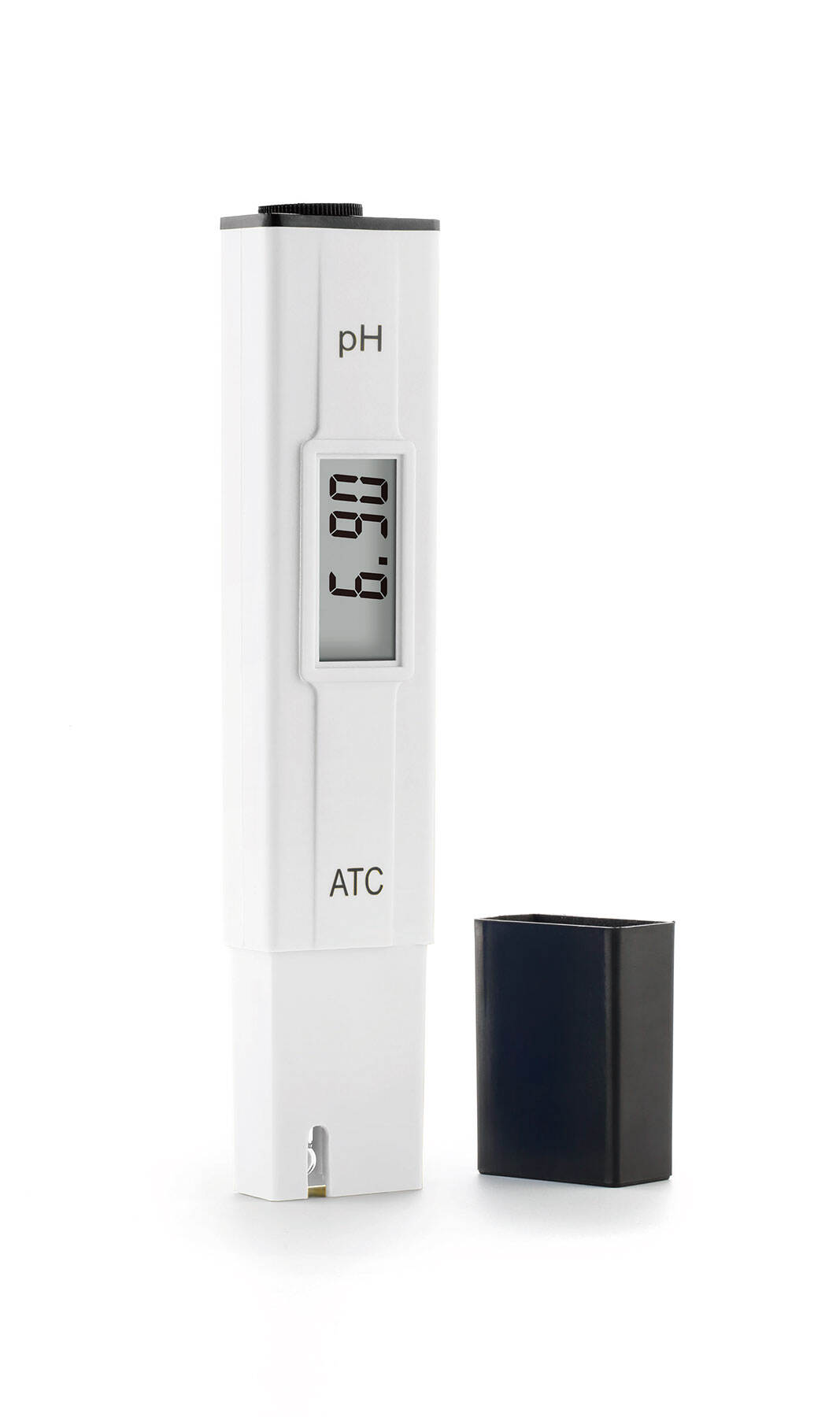
A conductivity meter is a precision electronic instrument designed to measure the electrical conductivity of liquids, particularly water and aqueous solutions. This essential analytical device operates by applying a voltage between two electrodes submerged in the test solution and measuring the resulting electrical current flow. The conductivity meter provides readings that indicate the concentration of dissolved ions in the solution, making it an indispensable tool for water quality assessment, chemical analysis, and industrial process monitoring across numerous applications.
Understanding what a conductivity meter is and recognizing its practical value requires examining both its fundamental operating principles and its widespread applications in scientific, industrial, and environmental contexts. The utility of a conductivity meter stems from its ability to provide immediate, quantitative data about solution purity, contamination levels, and chemical concentration, making it crucial for quality control processes, environmental monitoring, and laboratory research. This measurement capability translates directly into improved decision-making, cost savings, and regulatory compliance across diverse industries where liquid analysis is essential.
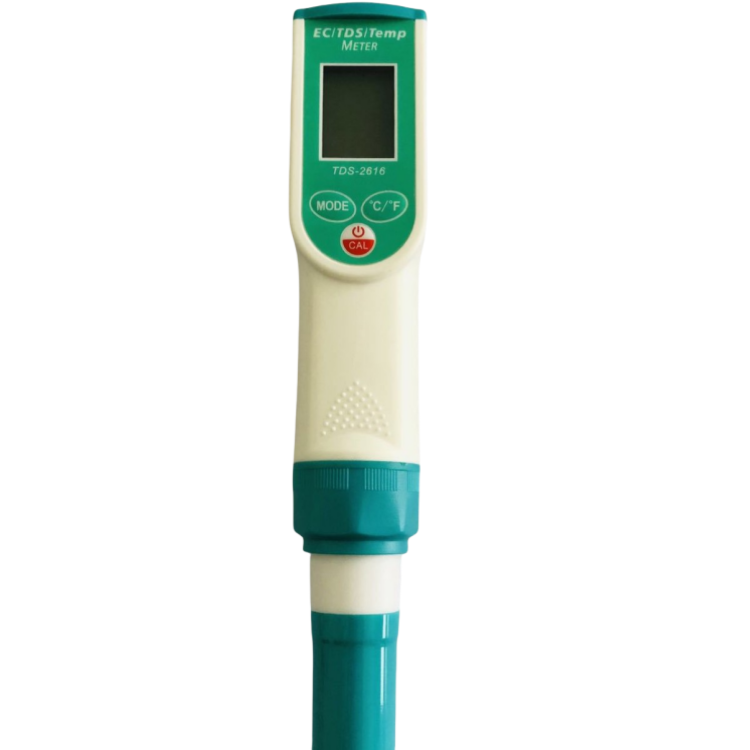
Technical Foundation and Operating Principles
Electrical Conductivity Measurement Mechanism
A conductivity meter functions by measuring how easily electrical current flows through a liquid solution, with this measurement directly correlating to the concentration of dissolved ionic substances. The device applies a known voltage across two electrodes positioned at a specific distance apart, then measures the resulting current flow to calculate conductivity values typically expressed in microsiemens per centimeter or millisiemens per centimeter. The conductivity meter utilizes the fundamental principle that pure water has very low conductivity, while water containing dissolved salts, acids, or bases exhibits significantly higher conductivity proportional to the ionic concentration.
Modern conductivity meter designs incorporate advanced features such as automatic temperature compensation, multiple measurement ranges, and digital displays for enhanced accuracy and user convenience. The electrode configuration in a conductivity meter typically consists of two or four electrodes, with four-electrode systems providing more accurate readings by separating the voltage measurement from current application. This sophisticated design allows the conductivity meter to deliver precise measurements across a wide range of solution types and concentrations, from ultra-pure water to highly concentrated industrial solutions.
Calibration and Accuracy Standards
Proper calibration represents a critical aspect of conductivity meter operation, ensuring measurement accuracy and reliability across different solution types and concentration ranges. Standard calibration solutions with known conductivity values allow users to verify and adjust their conductivity meter performance, with common calibration standards including potassium chloride solutions at specific concentrations. The calibration process for a conductivity meter involves immersing the electrodes in certified reference solutions and adjusting the device readings to match the known standard values, thereby establishing a reliable measurement baseline.
Temperature significantly affects conductivity measurements, making temperature compensation an essential feature in quality conductivity meter designs. Most solutions exhibit increased conductivity with rising temperature, requiring the conductivity meter to automatically adjust readings based on simultaneous temperature monitoring. This compensation capability ensures consistent and comparable results regardless of ambient temperature variations, making the conductivity meter suitable for field applications and laboratory environments where temperature control may be challenging.
Industrial Applications and Process Monitoring
Water Treatment and Quality Control
Water treatment facilities rely extensively on conductivity meter technology for monitoring treatment effectiveness, detecting contamination events, and ensuring compliance with regulatory standards for drinking water quality. A conductivity meter serves as an early warning system in water treatment plants, rapidly identifying changes in source water quality that might indicate pollution events or equipment malfunctions requiring immediate attention. The continuous monitoring capability of modern conductivity meter systems enables automated process control, optimizing chemical dosing and treatment parameters based on real-time water quality data.
Industrial water treatment applications utilize conductivity meter measurements to monitor boiler feedwater quality, cooling tower performance, and reverse osmosis system efficiency. In boiler operations, a conductivity meter helps prevent scale formation and corrosion by monitoring dissolved solids concentrations in feedwater and blowdown streams. Cooling tower management benefits from conductivity meter monitoring to optimize water chemistry, prevent biological growth, and minimize water waste through precise concentration cycle control.
Chemical Manufacturing and Processing
Chemical manufacturing processes depend on conductivity meter technology for real-time monitoring of solution concentrations, reaction progress, and product quality verification. During acid and base production, a conductivity meter provides continuous feedback on concentration levels, enabling precise control of dilution processes and ensuring consistent product specifications. The conductivity meter also serves as a valuable tool for detecting contamination in chemical streams, identifying off-specification batches before they progress through expensive downstream processing steps.
Pharmaceutical and biotechnology industries employ conductivity meter systems for monitoring water for injection quality, cleaning validation, and fermentation process control. In these critical applications, a conductivity meter must meet stringent accuracy and documentation requirements, often incorporating data logging capabilities and validation protocols. The conductivity meter measurements support regulatory compliance by providing documented evidence of water quality and process consistency required for pharmaceutical manufacturing approval.
Environmental Monitoring and Research Applications
Surface Water and Groundwater Assessment
Environmental scientists and regulatory agencies utilize conductivity meter instruments for comprehensive water quality assessment in rivers, lakes, wetlands, and groundwater systems. A conductivity meter provides rapid screening for general water quality conditions, helping identify areas requiring detailed chemical analysis or remediation efforts. The portability of modern conductivity meter designs enables field measurements that support environmental impact assessments, pollution source tracking, and ecosystem health monitoring programs.
Groundwater monitoring programs incorporate conductivity meter measurements to detect saltwater intrusion in coastal aquifers, monitor contamination plume migration, and assess the effectiveness of remediation technologies. Long-term conductivity meter data sets reveal trends in groundwater quality that inform water resource management decisions and environmental protection strategies. The sensitivity of a conductivity meter to detect subtle changes in ionic concentration makes it particularly valuable for early detection of contamination events before they reach critical levels.
Agricultural and Irrigation Management
Agricultural applications benefit significantly from conductivity meter technology for soil salinity assessment, irrigation water quality evaluation, and nutrient solution management in hydroponic systems. Farmers and agricultural consultants use conductivity meter readings to determine appropriate irrigation schedules, select suitable crop varieties for specific soil conditions, and optimize fertilizer application rates. The conductivity meter measurements help prevent salt accumulation in agricultural soils that could reduce crop yields or render land unsuitable for cultivation.
Precision agriculture systems integrate conductivity meter data with GPS mapping technology to create detailed soil salinity maps, enabling variable-rate application of amendments and targeted management strategies. Greenhouse and controlled environment agriculture rely heavily on conductivity meter monitoring for nutrient solution management, ensuring optimal plant growth conditions while minimizing fertilizer waste and environmental impact.
Laboratory and Research Utility
Analytical Chemistry Applications
Research laboratories across academic institutions and industrial facilities depend on conductivity meter technology for solution preparation, purity verification, and analytical method development. A conductivity meter enables researchers to verify the ionic strength of buffer solutions, monitor electrolyte concentrations in electrochemical experiments, and assess the purity of distilled or deionized water used in sensitive analytical procedures. The precision and repeatability of conductivity meter measurements support rigorous scientific protocols and ensure reproducible experimental results.
Quality control laboratories utilize conductivity meter systems for raw material verification, intermediate product monitoring, and final product specification confirmation. In pharmaceutical quality control, a conductivity meter helps verify the purity of water used in drug formulation and validates cleaning procedures for equipment used in sterile manufacturing processes. The documented measurement capability of modern conductivity meter systems supports regulatory compliance and quality assurance programs requiring detailed analytical records.
Educational and Training Applications
Educational institutions incorporate conductivity meter experiments into chemistry, environmental science, and engineering curricula to demonstrate fundamental concepts of solution chemistry, electrochemistry, and analytical measurement techniques. Students gain hands-on experience with conductivity meter operation while learning about ionic solutions, water quality assessment, and instrument calibration procedures. The immediate feedback provided by a conductivity meter makes it an excellent teaching tool for illustrating the relationship between chemical composition and measurable physical properties.
Professional training programs for water treatment operators, environmental technicians, and quality control personnel emphasize proper conductivity meter selection, operation, and maintenance procedures. These training applications ensure that technical personnel understand both the capabilities and limitations of conductivity meter technology, enabling effective implementation in their respective work environments.
Economic Benefits and Operational Advantages
Cost Savings Through Process Optimization
The implementation of conductivity meter technology delivers substantial cost savings through improved process efficiency, reduced chemical consumption, and prevention of equipment damage caused by poor water quality. Manufacturing facilities using conductivity meter monitoring for boiler feedwater treatment report significant reductions in scale formation, corrosion damage, and unplanned maintenance costs. The real-time feedback from a conductivity meter enables operators to optimize chemical treatment programs, minimizing both over-treatment waste and under-treatment risks.
Water treatment facilities achieve operational cost reductions by using conductivity meter data to optimize chemical dosing, reduce energy consumption, and extend equipment service life. The early warning capability of a conductivity meter system helps prevent costly treatment process upsets, membrane fouling in reverse osmosis systems, and regulatory violations that could result in significant financial penalties. These economic benefits typically justify the investment in quality conductivity meter equipment within the first year of operation.
Regulatory Compliance and Risk Management
Regulatory agencies increasingly require continuous monitoring and documentation of water quality parameters, making conductivity meter systems essential for compliance with environmental discharge permits, drinking water standards, and industrial wastewater regulations. A properly maintained conductivity meter provides the documented measurement records necessary for regulatory reporting, helping organizations avoid violations and associated penalties. The reliability and accuracy of conductivity meter data support legal defensibility in environmental compliance audits and permit renewals.
Risk management programs benefit from conductivity meter monitoring through early detection of process deviations, contamination events, and equipment malfunctions before they escalate into major problems. The continuous monitoring capability of modern conductivity meter systems enables automated alarm systems that alert operators to conditions requiring immediate attention, reducing the likelihood of environmental releases or product quality failures.
FAQ
How accurate are conductivity meter measurements compared to laboratory analysis?
Modern conductivity meter instruments provide measurement accuracy within 1-2% of actual values when properly calibrated and maintained, making them suitable for most industrial and environmental monitoring applications. While laboratory analysis using more sophisticated techniques may offer slightly higher precision, the immediate results and lower cost per measurement make a conductivity meter the preferred choice for routine monitoring and process control applications.
What maintenance requirements are necessary to keep a conductivity meter functioning properly?
A conductivity meter requires regular calibration with certified reference standards, typically weekly or monthly depending on usage frequency and accuracy requirements. Electrode cleaning with appropriate solutions removes deposits that could affect measurement accuracy, while proper storage in electrode storage solution maintains sensor performance. Annual professional calibration verification ensures long-term measurement reliability and compliance with quality standards.
Can a conductivity meter distinguish between different types of dissolved substances?
A conductivity meter measures total ionic concentration but cannot distinguish between specific ion types or identify individual dissolved substances. The conductivity meter reading reflects the combined contribution of all dissolved ions in solution, making it useful for general water quality assessment but requiring additional analytical techniques for specific contaminant identification. However, experienced operators can often infer likely contaminant sources based on conductivity meter readings combined with other water quality parameters.
What is the typical lifespan and replacement cost for conductivity meter equipment?
Quality conductivity meter instruments typically provide 5-10 years of reliable service with proper maintenance, while electrode sensors may require replacement every 1-3 years depending on application conditions and usage frequency. Replacement costs for conductivity meter electrodes range from moderate to significant depending on sensor type and accuracy requirements, but the operational benefits and cost savings generally far exceed equipment replacement expenses over the instrument's useful life.
Table of Contents
- Technical Foundation and Operating Principles
- Industrial Applications and Process Monitoring
- Environmental Monitoring and Research Applications
- Laboratory and Research Utility
- Economic Benefits and Operational Advantages
-
FAQ
- How accurate are conductivity meter measurements compared to laboratory analysis?
- What maintenance requirements are necessary to keep a conductivity meter functioning properly?
- Can a conductivity meter distinguish between different types of dissolved substances?
- What is the typical lifespan and replacement cost for conductivity meter equipment?