 EN
EN

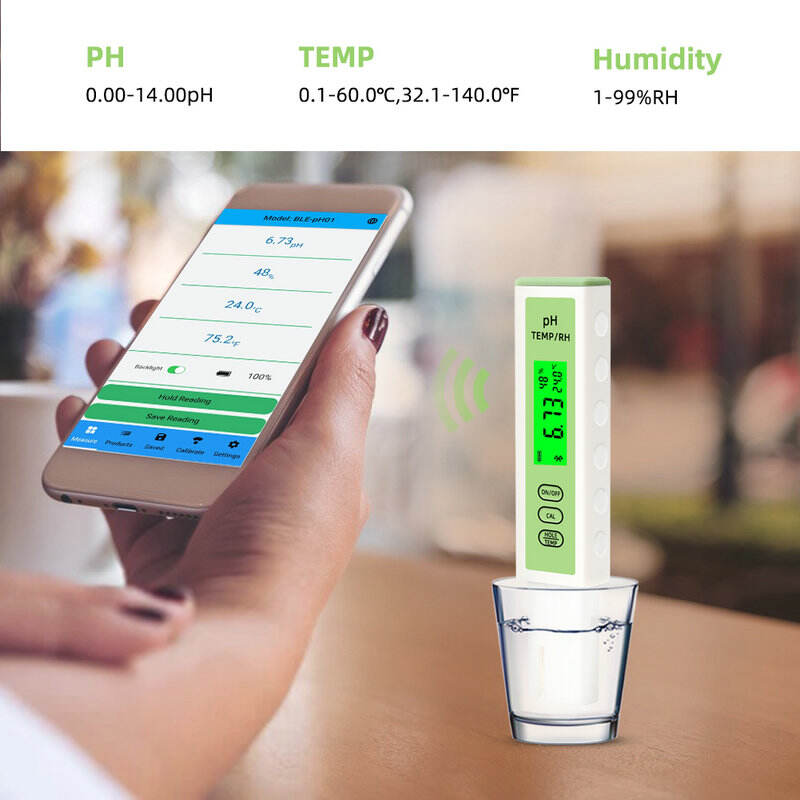
Home water quality has become a growing concern for millions of households worldwide as municipal water systems face increasing challenges from aging infrastructure, environmental contamination, and chemical treatment processes. While tap water in developed countries generally meets basic safety standards, numerous factors can affect its taste, odor, mineral content, and overall quality by the time it reaches your faucet. Understanding what's actually in your drinking water requires more than relying on municipal reports or assuming bottled water is always superior.
A water quality meter provides homeowners with immediate, accurate data about their water's chemical composition, contamination levels, and safety parameters. These portable devices have revolutionized home water testing by delivering laboratory-grade measurements in seconds, enabling informed decisions about water treatment, consumption, and household use. The reasons for incorporating regular water quality testing into your home routine extend far beyond basic safety concerns to encompass health optimization, cost savings, and environmental responsibility.
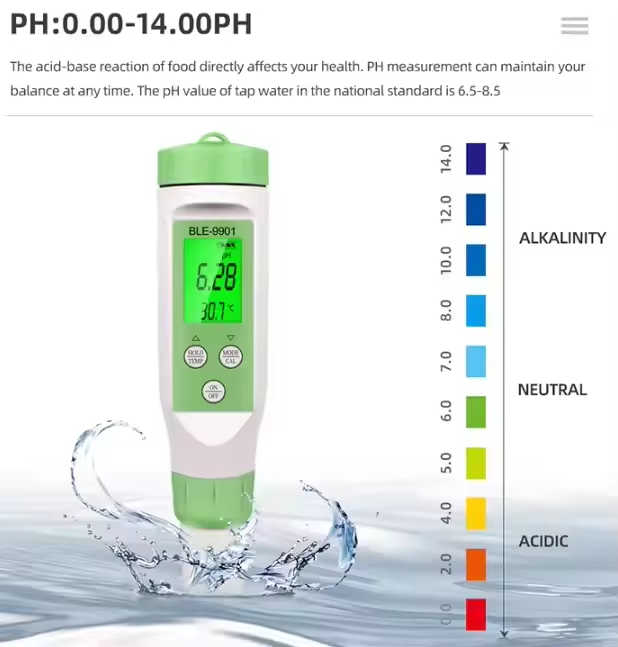
Health Protection and Safety Assurance
Early Detection of Harmful Contaminants
Municipal water treatment facilities cannot guarantee complete elimination of all potential contaminants, particularly those that enter water systems after treatment occurs. Heavy metals like lead from aging pipes, chlorine byproducts from disinfection processes, and bacterial contamination from system breaches can pose serious health risks when consumed regularly. A water quality meter enables immediate detection of these hazardous substances before they accumulate in your body over time.
Professional water testing through laboratories typically requires several days to weeks for results, during which time you continue consuming potentially contaminated water. Real-time testing with a water quality meter provides instant alerts when contaminant levels exceed safe thresholds, allowing for immediate protective action. This rapid response capability becomes particularly crucial during water system emergencies, natural disasters, or infrastructure failures when contamination risks increase dramatically.
The ability to test multiple water sources throughout your home reveals contamination patterns that might otherwise go unnoticed. Kitchen taps, bathroom faucets, and appliance water lines can show significant variations in water quality due to different pipe materials, usage patterns, and proximity to potential contamination sources. Regular monitoring with a water quality meter helps identify which fixtures require attention and whether whole-house or point-of-use treatment systems would be most effective.
Monitoring Vulnerable Population Exposure
Households with infants, elderly family members, pregnant women, or individuals with compromised immune systems require especially vigilant water quality monitoring. These vulnerable populations face heightened risks from contaminants that might not significantly affect healthy adults, making regular testing with a water quality meter an essential health protection measure. Nitrates, bacteria, and certain chemicals can cause severe health complications in these sensitive groups even at concentrations considered acceptable for general population exposure.
Infant formula preparation demands particular attention to water quality since babies consume proportionally more water relative to their body weight than adults. Heavy metals, excessive minerals, and chemical contaminants can interfere with infant development and cause immediate health problems. A water quality meter allows parents to verify that their water meets the stringent purity standards required for safe formula preparation, providing peace of mind and protecting infant health.
Economic Benefits and Cost Management
Optimizing Water Treatment Investments
Installing water treatment systems without understanding your specific water quality issues often results in unnecessary expenses and inadequate solutions. Comprehensive testing with a water quality meter reveals exactly which contaminants require treatment, enabling targeted system selection that addresses actual problems rather than perceived concerns. This data-driven approach prevents over-treatment scenarios where expensive equipment removes contaminants that aren't present in concerning levels.
Water treatment system maintenance schedules and filter replacement timing can be optimized based on actual water quality measurements rather than manufacturer estimates. A water quality meter allows homeowners to monitor treatment system performance and determine when filters are becoming saturated or when system components require servicing. This precision maintenance approach extends equipment life, maintains optimal performance, and prevents costly emergency repairs from system failures.
The long-term cost savings from using a water quality meter extend beyond treatment system optimization to include reduced appliance maintenance, lower energy bills, and decreased cleaning supply expenses. Poor water quality accelerates appliance deterioration, increases energy consumption due to mineral buildup, and requires additional cleaning products to combat staining and residue. Regular monitoring enables proactive treatment that protects these household investments.
Reducing Bottled Water Dependency
Many households spend hundreds or thousands of dollars annually on bottled water based on assumptions about tap water quality rather than actual testing data. A water quality meter provides objective evidence about whether bottled water purchases are necessary or whether home treatment systems could provide equivalent quality at lower cost. This analysis often reveals that tap water quality exceeds bottled water standards once appropriate treatment is applied.
The environmental and economic impact of bottled water consumption extends beyond purchase costs to include transportation, storage, and waste disposal expenses. Households that verify their treated tap water quality with a water quality meter often discover they can eliminate bottled water purchases entirely, resulting in significant annual savings and reduced environmental impact. The initial investment in testing equipment and treatment systems typically pays for itself within months through eliminated bottled water costs.
Performance Monitoring and System Effectiveness
Validating Treatment System Performance
Water treatment systems require regular performance verification to ensure they continue providing effective contaminant removal throughout their operational life. Filters become saturated, membranes develop defects, and system components wear out over time, potentially allowing contaminants to pass through untreated. A water quality meter enables homeowners to monitor treatment system output continuously, identifying performance degradation before it compromises water safety.
Different treatment technologies address specific contaminant categories, and their effectiveness varies based on water chemistry, flow rates, and maintenance conditions. Carbon filters excel at removing chlorine and organic compounds but have limited effectiveness against dissolved minerals and bacteria. Reverse osmosis systems remove most dissolved contaminants but may not eliminate all bacteria and viruses. A comprehensive water quality meter helps verify that each treatment stage is functioning correctly and achieving expected contaminant reduction levels.
Professional water system installations often include performance guarantees that require documentation of actual treatment effectiveness. Regular testing with a water quality meter provides the necessary data to validate warranty claims and ensure contractors deliver promised results. This documentation also supports insurance claims related to water quality issues and provides evidence for potential legal actions if treatment systems fail to meet specifications.
Seasonal and Environmental Monitoring
Water quality can fluctuate significantly based on seasonal conditions, weather events, and environmental changes that affect source water contamination levels. Agricultural runoff during spring planting, industrial discharge variations, and natural phenomena like algae blooms can temporarily or permanently alter municipal water quality. A water quality meter enables homeowners to track these changes and adjust their treatment approaches accordingly.
Well water systems face particular challenges from seasonal variations in groundwater levels, nearby construction activities, and environmental contamination events. Regular monitoring with a water quality meter helps identify trends that might indicate developing problems before they reach critical levels. This early warning capability allows for proactive treatment adjustments and prevents health risks associated with contaminated private water supplies.
Convenience and Practical Applications
Multiple Testing Locations and Scenarios
Modern water quality meters offer portability that enables testing throughout the home and in various situations where water quality verification is important. Vacation properties, rental accommodations, and temporary living situations often lack reliable water quality information, making portable testing capability invaluable for health-conscious travelers. The ability to quickly assess water safety in unfamiliar locations provides confidence and enables informed decisions about consumption and treatment needs.
Different household water sources can show surprising quality variations that affect their suitability for various uses. Bathroom tap water might contain different contaminant levels than kitchen sources due to pipe differences and usage patterns. Hot water heaters can concentrate certain minerals while reducing others, affecting both safety and taste characteristics. A water quality meter enables comprehensive household water assessment that reveals which sources are best suited for drinking, cooking, cleaning, and other specific applications.
Emergency preparedness scenarios benefit significantly from portable water quality testing capabilities. Natural disasters, infrastructure failures, and contamination events can compromise municipal water supplies without immediate public notification. Having a water quality meter available enables rapid assessment of alternative water sources and verification of emergency treatment effectiveness when normal supplies become unavailable.
Educational and Awareness Benefits
Regular water quality testing increases household awareness of environmental factors that affect daily health and wellbeing. Children who observe water testing procedures develop greater understanding of environmental science principles and the importance of resource quality monitoring. This educational component extends beyond immediate health benefits to foster long-term environmental stewardship and informed decision-making habits.
Understanding actual water quality parameters rather than relying on general assumptions enables more informed discussions with water treatment professionals, municipal authorities, and healthcare providers. Specific testing data supports productive conversations about treatment options, health concerns, and system optimization strategies. This knowledge empowers homeowners to advocate effectively for their water quality needs and evaluate professional recommendations critically.
FAQ
How often should I test my home water quality with a water quality meter?
For municipal water supplies, monthly testing provides adequate monitoring for most households, with additional testing during seasonal changes, after plumbing work, or following water system alerts. Private well users should test weekly or bi-weekly due to greater contamination variability. Households with treatment systems should test both before and after treatment to monitor system performance and determine maintenance needs.
What parameters should I prioritize when choosing a water quality meter for home use?
Essential parameters include pH, total dissolved solids (TDS), chlorine levels, and bacterial indicators for basic safety assessment. Advanced meters that also measure heavy metals, nitrates, and specific contaminants provide more comprehensive analysis. Consider your local water quality concerns, treatment system requirements, and household health needs when selecting appropriate testing capabilities.
Can a water quality meter replace professional laboratory testing completely?
While water quality meters provide excellent real-time monitoring for routine assessment, professional laboratory testing remains necessary for comprehensive contaminant analysis, legal documentation, and detection of trace-level toxins. Use home meters for regular monitoring and professional testing annually or when specific contamination concerns arise that require detailed analysis or official certification.
Will using a water quality meter at home actually save money compared to buying bottled water?
Most households that invest in water quality testing and appropriate treatment systems recover their costs within 6-12 months through eliminated bottled water purchases. The combination of accurate testing data and targeted treatment typically provides superior water quality at significantly lower long-term costs than continued bottled water dependency, while also reducing environmental impact from plastic waste.
Table of Contents
- Health Protection and Safety Assurance
- Economic Benefits and Cost Management
- Performance Monitoring and System Effectiveness
- Convenience and Practical Applications
-
FAQ
- How often should I test my home water quality with a water quality meter?
- What parameters should I prioritize when choosing a water quality meter for home use?
- Can a water quality meter replace professional laboratory testing completely?
- Will using a water quality meter at home actually save money compared to buying bottled water?