 EN
EN

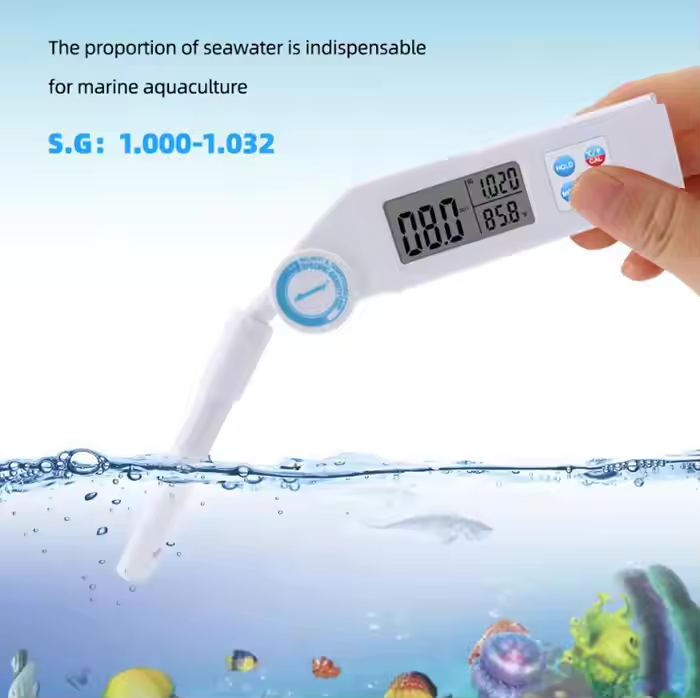
Water quality assessment has become a critical concern for homeowners, businesses, and industries worldwide as contamination sources continue to multiply. Traditional visual and taste-based evaluations of water purity fail to detect dissolved minerals, salts, and other potentially harmful substances that remain invisible to the naked eye. This gap in detection capability has led to the widespread adoption of scientific measurement tools that provide quantifiable data about water composition and safety levels.
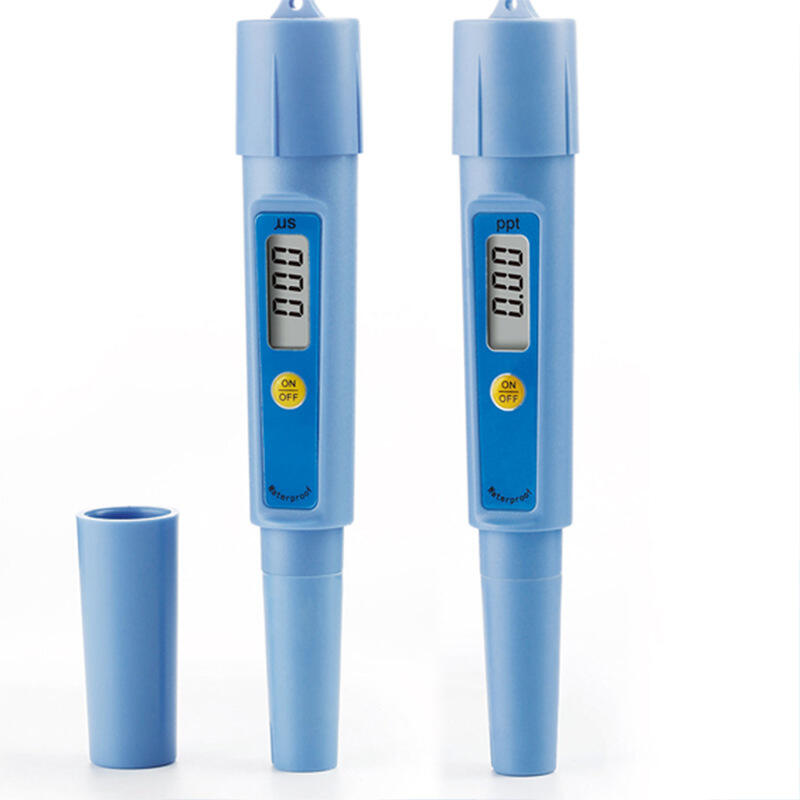
A TDS meter serves as an essential instrument for measuring Total Dissolved Solids in water, providing immediate insights into water purity levels that directly impact health, taste, and equipment longevity. Understanding why professionals and consumers rely on TDS meters reveals the fundamental importance of dissolved solids monitoring in maintaining water quality standards across residential, commercial, and industrial applications.
The Science Behind TDS Measurement and Water Purity Assessment
Understanding Total Dissolved Solids and Their Impact
Total Dissolved Solids represent the combined content of all inorganic and organic substances dissolved in water, including minerals, salts, metals, and ions. These dissolved particles significantly influence water quality by affecting taste, odor, color, and potential health implications. A TDS meter measures the electrical conductivity of water, which correlates directly with the concentration of dissolved ionic substances present in the sample.
High TDS levels often indicate contamination from agricultural runoff, industrial discharge, or natural mineral dissolution, while extremely low levels may suggest over-purification that removes beneficial minerals. The measurement process involves passing a small electrical current through the water sample, with higher conductivity indicating greater dissolved solid concentration. This scientific approach provides objective data that eliminates guesswork in water quality evaluation.
Professional water treatment facilities rely on TDS meter readings to maintain consistent purification standards and monitor system performance. The precise measurement capability enables operators to detect contamination events, track filtration efficiency, and ensure compliance with regulatory standards that protect public health.
Correlation Between TDS Levels and Water Safety
Research demonstrates a clear relationship between TDS concentrations and various water quality parameters that affect human health and equipment performance. Water with TDS levels below 300 parts per million typically indicates good quality suitable for most residential and commercial applications. Levels between 300-600 ppm may require treatment depending on the specific dissolved substances present, while readings above 1000 ppm often signal contamination requiring immediate attention.
The TDS meter provides early warning capability for detecting contamination events that might otherwise go unnoticed until serious health or equipment damage occurs. Regular monitoring using a TDS meter enables proactive water management strategies that prevent costly repairs, health risks, and operational disruptions across various applications.
Industrial facilities particularly benefit from continuous TDS monitoring because dissolved solids can cause scaling, corrosion, and efficiency losses in equipment systems. The immediate feedback provided by TDS meter measurements allows operators to adjust treatment processes before problems escalate into expensive maintenance issues or production delays.
Practical Applications and Benefits Across Different Sectors
Residential Water Quality Management
Homeowners use TDS meter devices to evaluate tap water quality, monitor filtration system effectiveness, and make informed decisions about water treatment investments. Regular testing reveals when filters require replacement, helps identify plumbing issues that introduce contaminants, and provides peace of mind regarding family water consumption safety. The portable nature of most TDS meter units makes testing convenient across multiple household water sources.
Swimming pool and spa maintenance relies heavily on TDS meter monitoring to prevent equipment damage and maintain safe recreational water conditions. High dissolved solid concentrations in pool water can reduce sanitizer effectiveness, cause cloudy water conditions, and accelerate equipment corrosion that leads to expensive repairs or replacements.
Garden and agricultural applications benefit from TDS meter testing because plant health depends on appropriate nutrient concentrations in irrigation water. Excessive dissolved solids can damage plant roots, while insufficient levels may indicate the need for fertilizer adjustments to optimize growing conditions.
Commercial and Industrial Quality Control
Food and beverage industries utilize TDS meter measurements to ensure product consistency and safety throughout production processes. Water quality directly affects taste profiles, shelf life, and regulatory compliance in manufacturing operations. Brewing, soft drink production, and food processing facilities maintain strict TDS monitoring protocols to protect product quality and brand reputation.
Healthcare facilities depend on TDS meter testing for dialysis water preparation, laboratory procedures, and medical device sterilization processes where water purity requirements exceed normal standards. The precision measurement capability enables medical professionals to maintain patient safety and equipment functionality in critical care environments.
Electronics manufacturing requires ultra-pure water for component cleaning and production processes where even minimal dissolved solid contamination can cause product defects. TDS meter monitoring ensures water meets stringent purity specifications that protect expensive equipment and maintain production yield rates.
Economic Advantages of Preventive TDS Monitoring
Cost Savings Through Early Detection
Implementing regular TDS meter testing programs generates substantial cost savings by identifying water quality issues before they cause equipment damage, product contamination, or health problems. Early detection capabilities allow facility managers to address contamination sources proactively rather than responding to expensive emergency situations that disrupt operations and require immediate remediation.
Predictive maintenance scheduling based on TDS meter data helps organizations optimize equipment lifespan and reduce unexpected downtime costs. By tracking dissolved solid trends over time, maintenance teams can plan filter replacements, system cleanings, and component upgrades during scheduled maintenance windows rather than during production periods.
Insurance and liability protection benefits emerge from documented TDS meter monitoring programs that demonstrate due diligence in water quality management. Regulatory compliance documentation supported by regular testing records helps organizations avoid penalties and reduces legal exposure related to water quality incidents.
Return on Investment Analysis
The relatively low cost of TDS meter instruments compared to potential damage costs makes water quality monitoring an excellent investment for most applications. A basic TDS meter typically costs less than a single equipment repair or product batch replacement that results from undetected water quality problems.
Long-term operational efficiency improvements justify TDS meter implementation costs through reduced chemical usage, optimized treatment processes, and extended equipment service life. Facilities that maintain consistent water quality standards report lower maintenance costs, improved energy efficiency, and better product quality outcomes over time.
Competitive advantages develop when businesses use TDS meter monitoring to deliver superior product quality and reliability compared to competitors who rely on less precise water quality assessment methods. Customer satisfaction and brand reputation benefits often exceed the direct cost savings from improved water quality management.
Technical Specifications and Selection Considerations
Measurement Accuracy and Calibration Requirements
Modern TDS meter instruments offer measurement accuracy within 2% of actual values when properly calibrated and maintained according to manufacturer specifications. Calibration procedures typically involve testing against known standard solutions to ensure reliable readings across the expected measurement range for specific applications.
Temperature compensation features in advanced TDS meter models automatically adjust readings to account for thermal effects on conductivity measurements. This capability ensures consistent accuracy across varying environmental conditions that commonly occur in industrial and outdoor applications where temperature fluctuations affect measurement precision.
Digital display resolution and data logging capabilities enable precise record-keeping and trend analysis that support comprehensive water quality management programs. Some TDS meter models offer wireless connectivity and smartphone integration for remote monitoring and automated data collection in complex facility management systems.
Environmental Durability and Operational Features
Waterproof TDS meter designs protect sensitive electronics from moisture exposure in humid industrial environments, outdoor applications, and wet laboratory conditions. Rugged construction materials ensure reliable operation despite temperature extremes, chemical exposure, and physical impacts common in demanding work environments.
Battery life considerations affect TDS meter selection for portable applications where frequent recharging or battery replacement creates operational inconvenience. Solar charging options and low-power operation modes extend field deployment capabilities for remote monitoring applications in agricultural and environmental settings.
User interface design impacts measurement efficiency and accuracy, particularly for technicians who perform multiple tests daily across different locations. Intuitive controls, clear displays, and quick response times enhance productivity and reduce measurement errors in high-volume testing scenarios.
FAQ
What TDS level indicates safe drinking water?
Safe drinking water typically contains TDS levels between 150-300 parts per million, though levels up to 500 ppm remain acceptable for most people. The World Health Organization considers water with TDS below 1000 ppm suitable for human consumption, but optimal taste and mineral content occur in the 150-300 ppm range. Individual health conditions and local water quality standards may require different target levels.
How often should I test water with a TDS meter?
Testing frequency depends on water source stability and application requirements. Residential users should test monthly or when taste changes occur, while commercial facilities may require daily or continuous monitoring. Industrial applications often need hourly readings during production periods. Wells, pools, and treatment systems benefit from weekly testing to detect gradual changes that indicate maintenance needs.
Can a TDS meter detect all water contaminants?
A TDS meter measures only dissolved ionic substances and cannot detect bacteria, viruses, organic compounds, or non-ionic contaminants that may pose health risks. While TDS readings provide valuable water quality information, comprehensive safety assessment requires additional testing methods including microbiological analysis and chemical-specific testing for complete contamination detection.
Why do TDS readings vary between different meters?
TDS meter variations result from different calibration standards, measurement algorithms, and temperature compensation methods used by various manufacturers. Quality instruments typically agree within 5% when properly calibrated, but significant differences may indicate calibration drift, electrode contamination, or measurement technique errors requiring instrument maintenance or replacement.