 EN
EN

Understanding the ideal TDS level for clean water is crucial for anyone concerned about water quality and safety. Total Dissolved Solids (TDS) represents the concentration of dissolved substances in water, including minerals, salts, and organic compounds that directly impact taste, safety, and overall water quality. While many people focus on removing contaminants from their water, determining the optimal TDS level for clean water requires balancing essential mineral content with potential harmful substances.
The complexity of establishing an ideal TDS level for clean water stems from the fact that not all dissolved solids are harmful, and completely removing all minerals can actually make water less healthy for consumption. Professional water quality standards provide guidelines, but the optimal range depends on various factors including source water characteristics, intended use, and individual health considerations. This comprehensive analysis explores the scientific principles behind TDS measurements and provides practical guidance for achieving the ideal balance in your water supply.
Understanding TDS Measurement and Water Quality Standards
Scientific Basis of TDS Measurement
TDS measurement quantifies the total concentration of dissolved substances in water, expressed in parts per million (ppm) or milligrams per liter (mg/L). The ideal TDS level for clean water encompasses both beneficial minerals like calcium, magnesium, and potassium, as well as potential contaminants such as heavy metals, chlorides, and nitrates. Modern water quality testing relies on conductivity measurements to estimate TDS levels, as dissolved ions increase water's electrical conductivity proportionally to their concentration.
Professional water quality assessment requires understanding that the ideal TDS level for clean water varies significantly based on water source and treatment methods. Natural groundwater typically contains higher TDS levels due to mineral dissolution from rock formations, while surface water sources may have lower baseline TDS but higher contamination risks. Advanced testing equipment can differentiate between beneficial minerals and harmful contaminants within the overall TDS reading, providing more accurate guidance for achieving optimal water quality.
Regulatory Standards and Health Guidelines
The World Health Organization (WHO) and Environmental Protection Agency (EPA) provide frameworks for evaluating TDS level for clean water, though their approaches differ significantly. WHO guidelines suggest that water with TDS levels below 300 ppm is generally acceptable for drinking, while levels between 300-600 ppm are considered good quality. However, these organizations emphasize that the ideal TDS level for clean water should be evaluated alongside other water quality parameters rather than as a standalone measure.
National and regional water quality standards often establish maximum allowable TDS levels ranging from 500-1000 ppm for potable water supplies. These regulations recognize that the ideal TDS level for clean water must balance mineral content with contamination control, acknowledging that extremely low TDS water may lack essential minerals while excessively high levels can indicate pollution or over-mineralization. Professional water treatment facilities use these guidelines to establish treatment protocols that achieve optimal TDS ranges for their specific service areas.
Optimal TDS Ranges for Different Water Applications
Drinking Water Quality Requirements
The ideal TDS level for clean water intended for human consumption typically ranges between 150-300 ppm, providing essential minerals while minimizing contamination risks. This range ensures adequate mineral content for taste and health benefits without exceeding levels that might indicate pollution or cause adverse health effects. Water within this TDS range generally provides optimal hydration while supporting the body's mineral requirements through natural water consumption.
Professional nutritionists and water quality experts increasingly recognize that the ideal TDS level for clean water should include specific mineral ratios rather than focusing solely on total concentration. Calcium and magnesium contribute significantly to beneficial TDS levels, supporting cardiovascular health and bone strength when present in appropriate concentrations. The TDS level for clean water testing helps identify whether dissolved solids consist primarily of beneficial minerals or potentially harmful substances requiring treatment.
Specialized Applications and Industrial Requirements
Different applications require varying approaches to achieving the ideal TDS level for clean water based on specific performance and safety requirements. Laboratory and pharmaceutical applications often require extremely low TDS levels, typically below 10 ppm, to prevent interference with sensitive processes and ensure product purity. These ultra-pure water systems remove virtually all dissolved solids through multiple treatment stages including reverse osmosis, deionization, and distillation.
Food and beverage production establishes the ideal TDS level for clean water based on product requirements and flavor profiles, with many applications targeting 50-150 ppm to maintain consistent taste while ensuring safety. Coffee brewing, for example, performs optimally with TDS levels between 75-150 ppm, as this range extracts desirable flavors without introducing unwanted mineral tastes. Industrial cooling systems and boiler operations require specific TDS level for clean water ranges to prevent scale formation and corrosion while maintaining efficient heat transfer.
Health Implications of TDS Levels
Beneficial Minerals and Essential Elements
Achieving the ideal TDS level for clean water requires understanding which dissolved solids contribute to human health and which potentially cause harm. Essential minerals including calcium, magnesium, potassium, and trace elements like zinc and selenium provide significant health benefits when present in appropriate concentrations. Research indicates that consuming water with moderate TDS levels containing these beneficial minerals supports cardiovascular health, bone density, and overall metabolic function.
The ideal TDS level for clean water should include sufficient mineral content to support daily nutritional requirements while avoiding excessive concentrations that might cause digestive issues or interfere with nutrient absorption. Studies show that completely demineralized water with extremely low TDS levels may actually leach minerals from the body over time, potentially contributing to mineral deficiencies. Maintaining the ideal TDS level for clean water between 150-300 ppm typically provides optimal mineral balance for most individuals.
Contamination Risks and Health Concerns
Elevated TDS levels in water can indicate contamination with harmful substances including heavy metals, nitrates, pesticides, and industrial chemicals that pose significant health risks. The ideal TDS level for clean water must account for these potential contaminants, as high TDS readings may mask serious water quality issues that require immediate attention. Professional water testing can differentiate between beneficial mineral content and harmful contamination within overall TDS measurements.
Chronic exposure to water with inappropriate TDS level for clean water can lead to various health problems depending on the specific contaminants present. High sodium content contributing to elevated TDS levels may exacerbate hypertension and cardiovascular conditions, while heavy metals can accumulate in body tissues over time. Regular monitoring and treatment ensure that the ideal TDS level for clean water reflects beneficial mineral content rather than harmful contamination.
Achieving and Maintaining Optimal TDS Levels
Water Treatment Technologies and Methods
Multiple treatment technologies can help achieve the ideal TDS level for clean water, each with specific advantages and limitations for different water sources and applications. Reverse osmosis systems effectively reduce TDS levels by removing dissolved solids through semi-permeable membranes, though they may also eliminate beneficial minerals requiring post-treatment mineralization. Ion exchange systems selectively remove specific dissolved substances while maintaining desired mineral content, offering more precise control over final water composition.
Achieving the ideal TDS level for clean water often requires combining multiple treatment methods to address specific contamination issues while preserving beneficial mineral content. Activated carbon filtration removes organic compounds and chlorine that contribute to TDS levels, while specialized media can target specific contaminants without affecting essential minerals. Professional water treatment design considers source water characteristics, target TDS levels, and intended use to select optimal treatment combinations.
Monitoring and Quality Control Systems
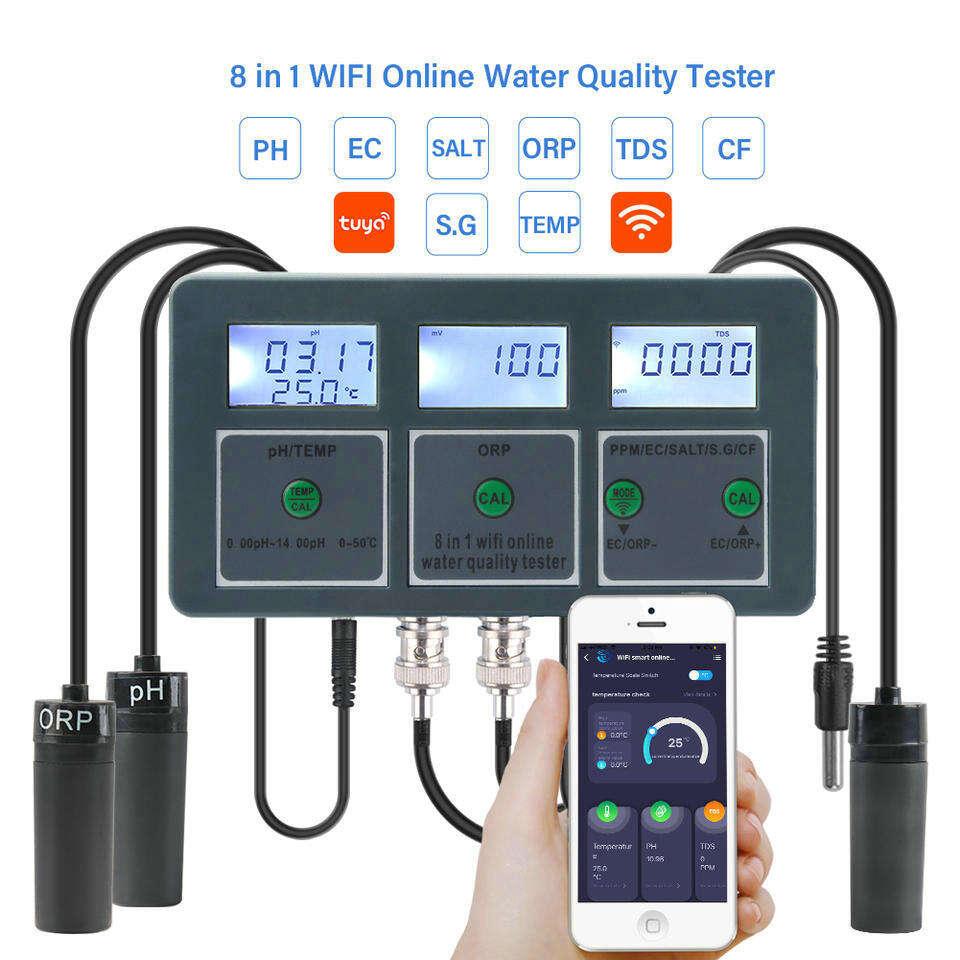
Maintaining the ideal TDS level for clean water requires continuous monitoring and quality control to ensure consistent performance and safety. Advanced monitoring systems track TDS levels in real-time, alerting operators to fluctuations that might indicate equipment malfunction or source water changes. Regular calibration of measurement equipment ensures accurate TDS readings that support proper treatment adjustments and quality assurance protocols.
Professional water quality management establishes protocols for maintaining the ideal TDS level for clean water through systematic testing, treatment optimization, and preventive maintenance. These systems integrate multiple parameters including pH, conductivity, and specific ion concentrations to provide comprehensive water quality assessment. Documentation and trending analysis help identify patterns and optimize treatment processes for consistent achievement of target TDS ranges.
FAQ
What TDS level is considered safe for drinking water?
The ideal TDS level for clean water for drinking purposes typically ranges between 150-300 ppm, though water with TDS levels up to 500 ppm is generally considered safe according to EPA standards. This range provides beneficial minerals while minimizing contamination risks, though the specific composition of dissolved solids matters more than total concentration alone.
Can TDS levels that are too low be harmful?
Yes, extremely low TDS levels below 50 ppm may indicate water that lacks essential minerals and could potentially leach minerals from the body over time. The ideal TDS level for clean water includes sufficient beneficial minerals to support health while avoiding contamination, making moderate TDS levels preferable to completely demineralized water for regular consumption.
How often should I test my water's TDS level?
For residential use, testing TDS level for clean water monthly provides adequate monitoring for most situations, though more frequent testing may be necessary if you notice taste, odor, or appearance changes. Commercial and industrial applications typically require daily or continuous monitoring to maintain the ideal TDS level for clean water and ensure consistent quality for specific processes.
Do water filters affect TDS levels?
Different water filters affect TDS levels differently depending on their technology and design. Reverse osmosis systems significantly reduce TDS levels, while carbon filters primarily remove organic compounds with minimal TDS impact. Understanding how your filtration system affects TDS level for clean water helps ensure you achieve optimal water quality for your specific needs and applications.