 EN
EN

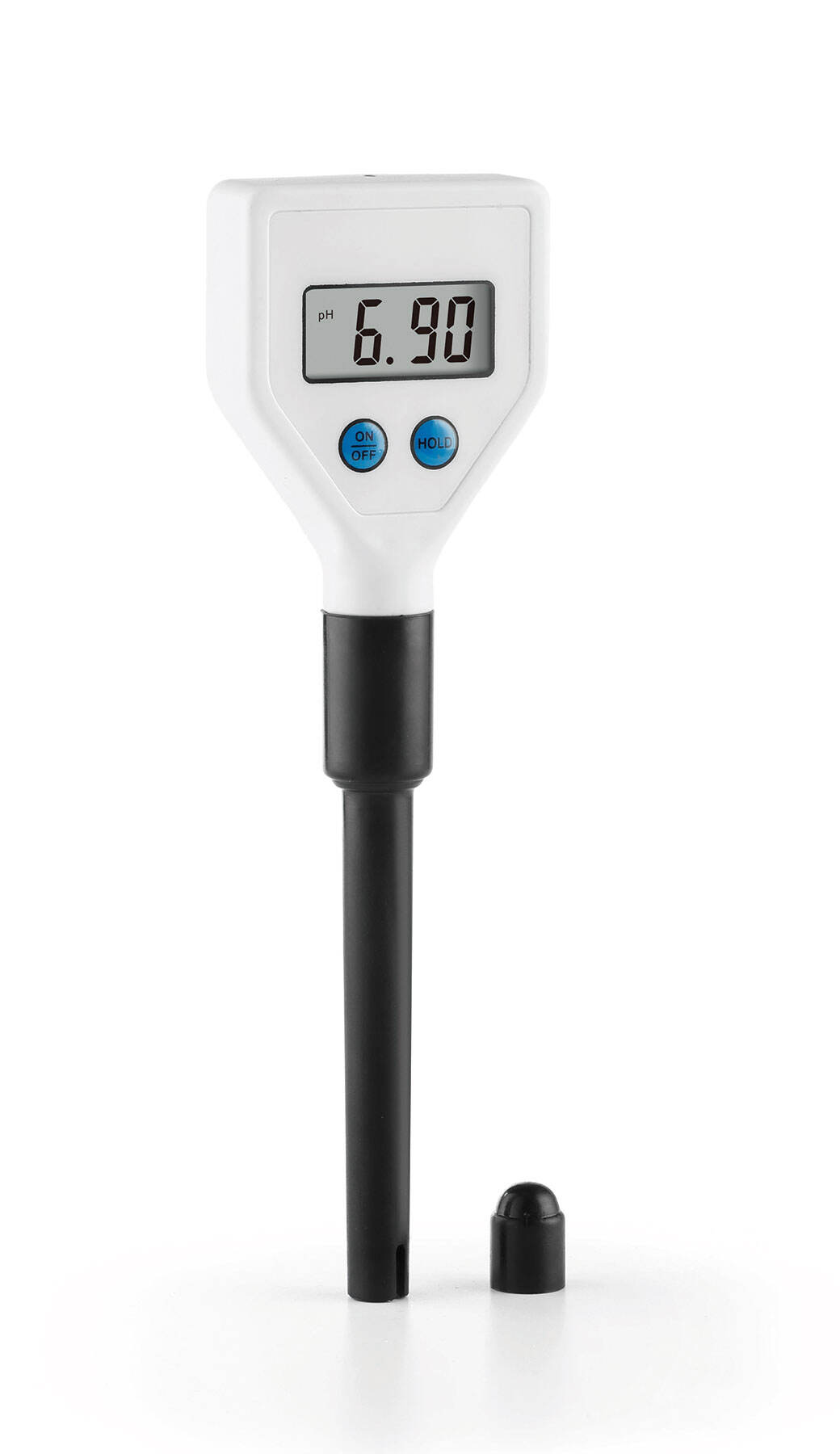
Maintaining optimal aquarium health requires precise monitoring of water chemistry, and one of the most critical parameters is pH level. Many aquarium enthusiasts wonder whether investing in a pH meter can significantly improve their ability to maintain a thriving aquatic environment. The short answer is yes – a pH meter serves as an essential tool for ensuring stable water conditions that promote fish health, prevent disease outbreaks, and support beneficial bacteria colonies that keep your aquarium ecosystem balanced.
Understanding the relationship between pH levels and aquarium health reveals why accurate measurement tools like a pH meter are indispensable for serious aquarists. pH affects everything from fish metabolism and stress levels to the effectiveness of biological filtration systems. Without proper pH monitoring, even experienced aquarium keepers can struggle with unexplained fish deaths, algae blooms, and bacterial imbalances that compromise the entire aquatic ecosystem.
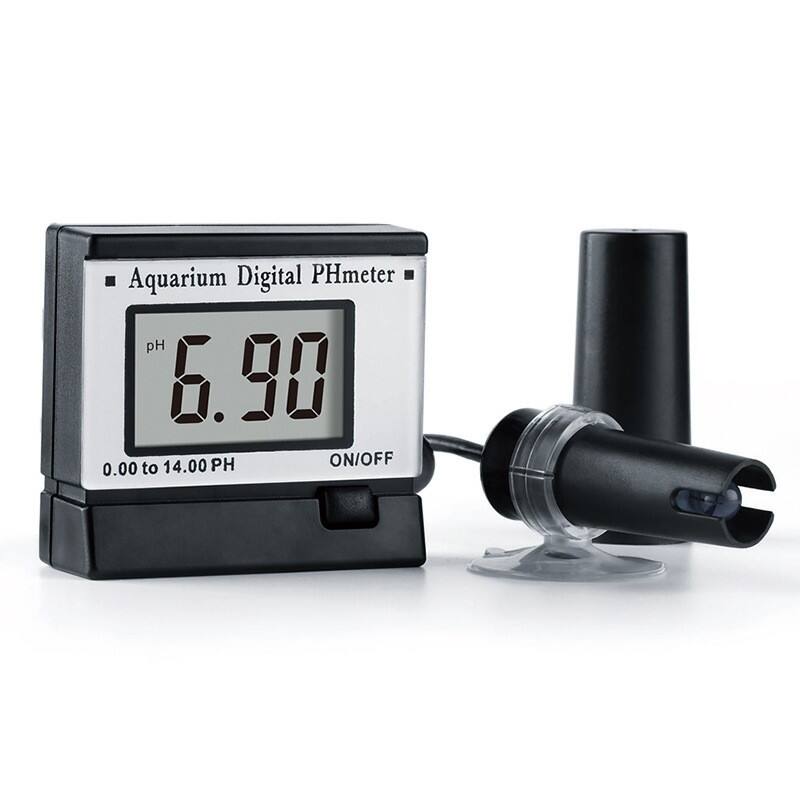
Understanding pH Impact on Aquarium Ecosystems
Fish Physiological Response to pH Variations
Fish physiology is intricately connected to water pH levels, making a pH meter crucial for monitoring their health. When pH levels deviate from optimal ranges, fish experience increased stress that manifests through compromised immune systems, reduced appetite, and abnormal behavior patterns. Different fish species have evolved to thrive within specific pH ranges, and a pH meter allows aquarists to maintain these precise conditions consistently.
The gill function in fish directly correlates with water pH, as extreme levels can damage delicate gill tissues and impair oxygen absorption. A pH meter enables early detection of dangerous fluctuations before they cause irreversible harm to fish respiratory systems. Additionally, pH affects the toxicity of ammonia in aquarium water, with higher pH levels making ammonia significantly more dangerous to fish health.
Reproductive success in aquarium fish often depends on maintaining stable pH levels within narrow ranges. Many species will refuse to spawn or experience poor egg survival rates when pH conditions are suboptimal. Regular monitoring with a pH meter ensures breeding programs maintain the precise water chemistry needed for successful reproduction.
Bacterial Colony Health and pH Balance
Beneficial bacteria colonies that form the foundation of aquarium biological filtration require stable pH conditions to function effectively. These bacteria convert toxic ammonia and nitrites into less harmful nitrates, but their efficiency drops dramatically when pH levels fall outside optimal ranges. A pH meter helps maintain the conditions necessary for robust bacterial populations.
Nitrifying bacteria, which are essential for the nitrogen cycle, prefer slightly alkaline conditions between 7.5 and 8.5 pH. When pH drops below 7.0, these bacteria become sluggish and may stop processing waste products effectively. Using a pH meter to monitor these levels ensures the biological filter continues operating at peak efficiency.
The establishment of new bacterial colonies during aquarium cycling also depends heavily on pH stability. Fluctuating pH levels can prevent beneficial bacteria from colonizing filter media and substrate, prolonging the cycling process and creating dangerous conditions for fish. A pH meter provides the precise monitoring needed to maintain optimal conditions during this critical establishment period.
Practical Applications of pH Meters in Aquarium Management
Daily Monitoring and Trend Detection
Daily pH monitoring with a digital pH meter reveals important trends that help predict and prevent aquarium problems before they become serious. Small, gradual changes in pH often indicate developing issues with filtration, bioload, or water chemistry that require immediate attention. Regular measurements create a baseline that makes abnormal readings immediately apparent.
Feeding schedules and fish activity levels can cause temporary pH fluctuations throughout the day. A pH meter allows aquarists to understand these natural variations and distinguish them from problematic changes that require intervention. This knowledge prevents unnecessary adjustments that could actually destabilize the aquarium environment.
Seasonal changes in tap water quality often affect aquarium pH, particularly in areas where water treatment facilities adjust their processes based on weather conditions. Using a pH meter to monitor both incoming water and established tank conditions helps identify when water preparation procedures need modification to maintain stable aquarium chemistry.
Medication and Treatment Monitoring
Many aquarium medications and treatments significantly impact water pH, making careful monitoring with a pH meter essential during treatment periods. Some medications become more or less effective depending on pH levels, while others can cause dangerous pH swings that stress already compromised fish. Continuous monitoring ensures treatments remain within safe parameters.
Disease treatment protocols often require specific pH ranges for optimal effectiveness. Copper-based medications, for example, become more toxic at lower pH levels, while certain antibiotics lose potency in alkaline conditions. A pH meter provides the precise measurements needed to optimize treatment efficacy while minimizing side effects.
Recovery monitoring after disease outbreaks requires careful attention to pH stability, as stressed fish are more sensitive to water chemistry fluctuations. A pH meter helps ensure the gradual return to normal conditions that allows fish immune systems to recover fully without additional chemical stress.
Technical Advantages of Digital pH Meters
Accuracy and Precision Benefits
Digital pH meters provide significantly higher accuracy compared to test strips or liquid reagent kits, with many models offering precision to 0.01 pH units. This level of accuracy becomes crucial when maintaining sensitive species that require very narrow pH ranges, or when making precise adjustments to prevent sudden chemistry changes. The improved precision helps prevent overcompensation that can create dangerous pH swings.
Temperature compensation features in advanced pH meters automatically adjust readings based on water temperature, ensuring accurate measurements regardless of seasonal variations or heating system fluctuations. This automatic compensation eliminates human error in temperature corrections and provides consistently reliable data for aquarium management decisions.
The rapid response time of quality pH meters allows for immediate readings during water changes, feeding times, or equipment maintenance when pH levels might fluctuate quickly. This real-time monitoring capability helps aquarists respond promptly to sudden changes that could stress or harm aquarium inhabitants.
Long-term Reliability and Maintenance
Professional-grade pH meters maintain calibration stability over extended periods, reducing the frequency of recalibration and ensuring consistent accuracy for routine monitoring. This reliability becomes particularly important for automated systems or when monitoring multiple tanks where frequent calibration would be impractical.
The durability of quality pH meters makes them cost-effective long-term investments compared to ongoing expenses for test strips or reagent solutions. While the initial investment may be higher, the per-test cost becomes negligible over time, especially for aquarists who monitor pH frequently or maintain multiple aquarium systems.
Data logging capabilities in advanced pH meters allow aquarists to track long-term trends and identify patterns that might not be apparent from individual readings. This historical data proves invaluable for troubleshooting recurring problems and optimizing aquarium management protocols based on documented performance.
Integration with Comprehensive Aquarium Health Strategies
Water Change Optimization
Strategic use of a pH meter during water changes ensures new water matches existing tank conditions, preventing pH shock that can stress or kill fish. Testing both source water and tank water before mixing allows for proper conditioning and gradual adjustment procedures that maintain stability throughout the water change process.
Different water sources may require specific treatment protocols to achieve target pH levels, and a pH meter helps determine the exact adjustments needed for each batch of replacement water. This precision prevents the trial-and-error approach that often leads to overcorrection and subsequent instability.
Automated water change systems benefit significantly from pH meter integration, as they can be programmed to halt operations if incoming water pH falls outside acceptable parameters. This safety feature prevents accidental introduction of improperly conditioned water that could cause sudden chemistry changes.
Species-Specific Environment Creation
Different fish species have evolved in various natural environments with distinct pH characteristics, and a pH meter enables precise replication of these conditions in captive environments. African cichlids, for example, typically require alkaline conditions around 8.0 to 8.5 pH, while South American tetras prefer slightly acidic water between 6.0 and 7.0 pH.
Breeding programs for sensitive species often require very specific pH conditions that can only be achieved and maintained through precise monitoring with a quality pH meter. Many fish will only spawn within narrow pH ranges, and even small deviations can prevent successful reproduction or cause poor offspring survival rates.
Mixed-species aquariums present particular challenges in pH management, as different fish may have conflicting pH preferences. A pH meter helps find and maintain compromise conditions that support all species while monitoring for signs that adjustments may be needed to optimize health for particular inhabitants.
FAQ
How often should I test my aquarium pH with a pH meter?
Test your aquarium pH daily during the initial setup period and after any significant changes like new fish additions, medication treatments, or equipment modifications. For established aquariums, testing every 2-3 days provides adequate monitoring to catch problems early while avoiding excessive handling that might stress fish. During disease outbreaks or when using pH-adjusting chemicals, increase testing frequency to twice daily until conditions stabilize.
What pH range should I maintain for a healthy aquarium?
Most freshwater aquariums thrive in a pH range between 6.5 and 7.5, though specific species requirements vary significantly. Research your particular fish species to determine their optimal pH range, then use your pH meter to maintain stable conditions within that range rather than chasing perfect numbers. Stability is more important than absolute values, as most fish can adapt to pH levels slightly outside their preferred range if conditions remain consistent.
Can a pH meter detect other water quality problems?
While a pH meter specifically measures pH levels, sudden or gradual pH changes often indicate underlying water quality issues such as inadequate filtration, bacterial bloom, overstocking, or equipment failure. A pH meter serves as an early warning system that alerts you to investigate other parameters like ammonia, nitrites, and nitrates when pH readings become abnormal. Regular pH monitoring helps identify problems before they become visible or cause fish health issues.
Do I need to calibrate my pH meter regularly?
Calibrate your pH meter monthly for accurate readings, or more frequently if you use it daily or notice inconsistent results. Use fresh calibration solutions and follow the manufacturer's instructions precisely, as improper calibration can make your readings unreliable. Store calibration solutions properly and replace them according to expiration dates, as expired solutions can cause calibration drift that affects measurement accuracy throughout the month.