 EN
EN

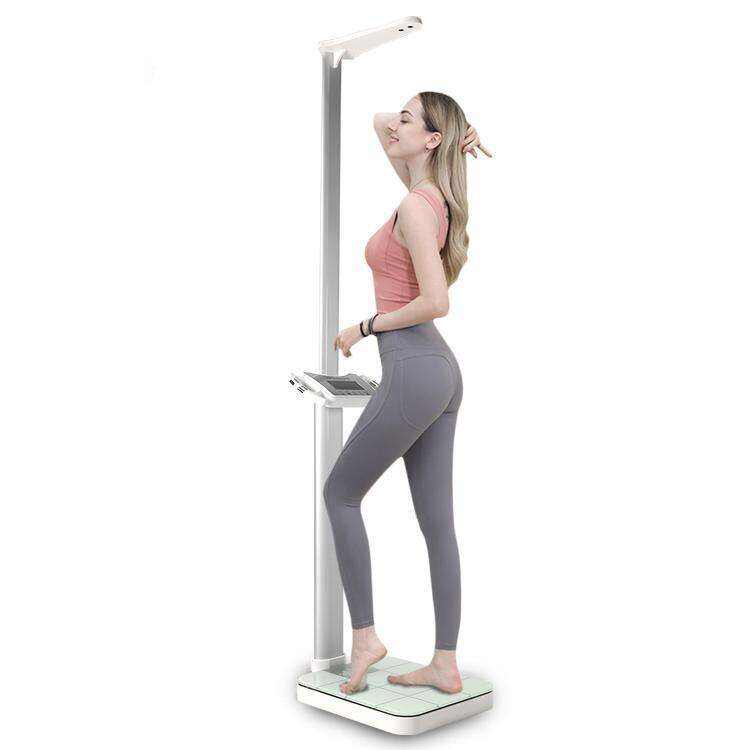
The growing emphasis on health monitoring has made precision measurement tools essential for both home and clinical environments. A height weight scale represents the perfect intersection of accuracy and convenience, offering dual functionality that addresses comprehensive health assessment needs. These advanced devices have revolutionized how individuals and healthcare professionals track vital body metrics, providing reliable data that supports informed health decisions. Modern height weight scale technology incorporates sophisticated sensors and measurement systems that deliver professional-grade accuracy while maintaining user-friendly operation suitable for various settings.
Understanding Height Weight Scale Technology
Dual Measurement Capabilities
A height weight scale combines two essential health metrics into a single, streamlined device, eliminating the need for separate measurement tools. The weight measurement component typically utilizes high-precision load cells that can detect minute changes in body mass, often accurate to within 0.1 pounds or 0.05 kilograms. The height measurement system employs either mechanical or digital measurement mechanisms, including telescoping rods, ultrasonic sensors, or stadiometer-style measuring arms that provide accurate readings regardless of user position variations. These integrated systems ensure that both measurements are taken simultaneously under identical conditions, reducing variability and improving data consistency.
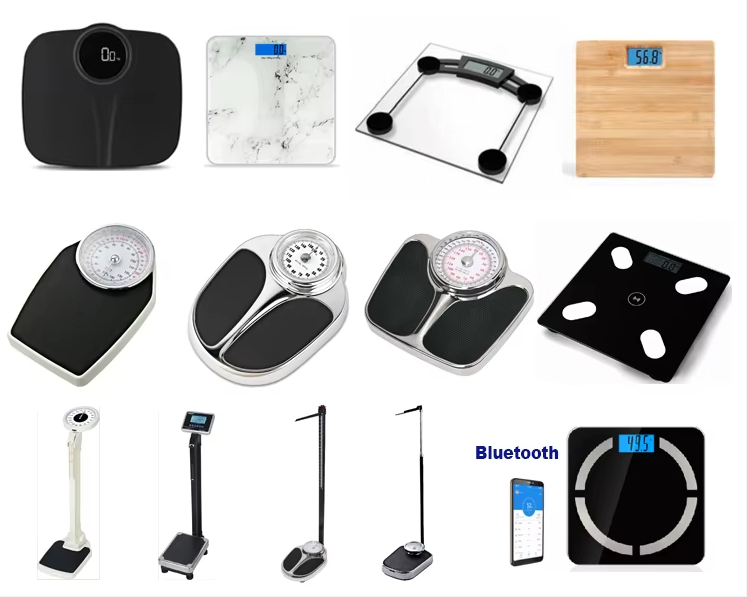
The technological sophistication of modern height weight scale units extends beyond basic measurement functions to include digital displays, memory storage, and connectivity features. Many models incorporate advanced algorithms that calculate body mass index automatically, displaying results instantly without requiring manual calculations. The measurement range typically accommodates users from infant size to adult dimensions, making these devices versatile for family use or clinical applications. Calibration systems ensure long-term accuracy, with many units featuring automatic calibration sequences that maintain precision over extended periods of use.
Accuracy and Precision Standards
Professional-grade height weight scale devices must meet stringent accuracy standards established by medical device regulations and measurement organizations. Weight accuracy typically falls within ±0.1% of the actual weight for loads within the operating range, while height measurements achieve precision levels of ±1-2 millimeters under optimal conditions. These specifications ensure that measurements obtained from a quality height weight scale are suitable for medical documentation, insurance assessments, and longitudinal health tracking programs. Regular calibration protocols help maintain these accuracy levels throughout the device's operational lifespan.
Environmental factors can influence measurement precision, requiring height weight scale manufacturers to design systems that compensate for temperature variations, humidity levels, and surface irregularities. Advanced models include internal temperature sensors and environmental compensation algorithms that adjust readings based on operating conditions. Quality assurance testing involves extensive validation procedures that verify accuracy across the full measurement range under various environmental scenarios, ensuring reliable performance in diverse home and clinical settings.
Home Use Applications and Benefits
Personal Health Monitoring
The convenience of having a height weight scale in the home environment enables consistent health monitoring without the need for frequent medical appointments or gym visits. Regular tracking of both height and weight metrics provides valuable insights into growth patterns, particularly important for children and adolescents experiencing developmental changes. Adults benefit from consistent monitoring capabilities that support weight management programs, fitness goals, and early detection of health changes that might require medical attention. The ability to measure both parameters simultaneously ensures data consistency and eliminates the timing variables that can affect comparative measurements.
Home-based height weight scale usage supports behavioral changes related to health improvement by providing immediate feedback on progress toward personal goals. The convenience factor significantly increases measurement frequency compared to relying on periodic clinical visits, creating more comprehensive data sets for trend analysis. Family members can establish individual profiles and track their metrics independently, with many modern devices offering multiple user memory functions that store historical data for each family member.
Cost-Effectiveness and Convenience
Investing in a quality height weight scale for home use provides substantial long-term cost savings compared to regular visits to medical facilities or fitness centers solely for measurement purposes. The one-time purchase cost typically pays for itself within months through reduced travel expenses and eliminated measurement fees. The convenience of immediate access to accurate measurements supports more frequent monitoring, which can lead to better health outcomes through early intervention and consistent progress tracking.
The time-saving benefits of home height weight scale ownership extend beyond measurement convenience to include reduced scheduling constraints and elimination of travel time to measurement facilities. Users can take measurements at optimal times that align with their daily routines, such as first thing in the morning when body weight is most consistent. This flexibility supports more accurate longitudinal tracking by reducing variables associated with different measurement times and conditions.
Clinical and Professional Applications
Medical Practice Integration
Healthcare facilities rely on accurate height weight scale measurements for diagnostic purposes, treatment planning, and patient monitoring throughout care episodes. These devices provide essential data for medication dosing calculations, particularly important for pediatric patients where weight-based dosing protocols require precise measurements. Clinical documentation requirements mandate accurate measurement records, making reliable height weight scale equipment essential for maintaining proper patient files and supporting billing procedures. The efficiency of combined measurements reduces patient processing time and improves workflow in busy clinical environments.
The integration of height weight scale technology into electronic health records systems streamlines data collection and reduces transcription errors common with manual recording processes. Many professional-grade units feature connectivity options that automatically transfer measurement data to patient management systems, eliminating manual data entry and associated errors. This technological integration supports quality improvement initiatives by providing accurate baseline measurements and tracking patient progress over time with minimal administrative burden on clinical staff.
School and Institutional Use
Educational institutions and large organizations utilize height weight scale equipment for health screening programs, sports participation clearances, and routine health monitoring of students or employees. The durability and high-volume capacity of institutional-grade height weight scale units support frequent use scenarios while maintaining accuracy standards required for official health records. These applications often require rapid processing capabilities that allow for efficient measurement of large groups while maintaining individual measurement accuracy and data integrity.
Institutional height weight scale deployment often includes features specifically designed for high-volume use, such as enhanced durability, simplified operation protocols, and rapid reset capabilities between users. Data management systems associated with institutional units typically provide batch processing capabilities and reporting functions that support population health analysis and compliance with health screening requirements. The ability to generate comprehensive reports from height weight scale data supports institutional health programs and regulatory compliance initiatives.
Key Features to Consider
Measurement Range and Capacity
Selecting an appropriate height weight scale requires careful consideration of the intended user population and measurement requirements. Weight capacity ranges typically vary from pediatric scales with maximum loads of 50-100 pounds to adult scales supporting 400-500 pounds or more. Height measurement ranges should accommodate the tallest anticipated users, with most quality height weight scale units providing measurement capabilities from approximately 12 inches to 85 inches or more. Understanding the specific measurement needs helps ensure that the selected device will provide accurate readings for all intended users throughout its operational lifespan.
The measurement resolution and increment settings of a height weight scale determine the precision level available for specific applications. Medical and clinical applications may require finer resolution capabilities, such as 0.1-pound weight increments and 0.1-inch height measurements, while home use applications might accommodate slightly lower resolution levels. Platform size considerations ensure user comfort and safety during measurement procedures, with larger platforms providing better stability for elderly users or individuals with mobility limitations.
Display and User Interface
The display system of a height weight scale significantly impacts user experience and measurement accuracy through clear presentation of measurement data. Digital displays should provide sufficient size and contrast for easy reading under various lighting conditions, with many quality units featuring backlit displays that improve visibility in dim environments. Multi-parameter displays that show both height and weight simultaneously reduce the potential for measurement confusion and support efficient data recording procedures.
User interface design affects the ease of operation and learning curve associated with height weight scale usage. Intuitive control layouts with clearly labeled functions reduce training requirements and minimize operating errors. Advanced units may include touchscreen interfaces, voice prompts, or smartphone connectivity that enhance user experience while maintaining measurement accuracy and reliability standards.
Maintenance and Longevity
Calibration Requirements
Maintaining the accuracy of a height weight scale requires adherence to regular calibration schedules and proper calibration procedures. Professional applications typically require monthly or quarterly calibration verification using certified weight standards and height measurement references. Home use applications may accommodate less frequent calibration schedules, but annual verification helps ensure continued measurement accuracy. Understanding the calibration requirements and associated costs helps users plan for long-term ownership expenses and maintain device reliability.
The calibration process for a quality height weight scale involves verification of both weight and height measurement systems using traceable standards that ensure measurement accuracy. Many modern units include internal calibration capabilities that simplify the process while maintaining accuracy standards. External calibration services may be required for critical applications or regulatory compliance, with calibration certificates providing documentation of measurement accuracy for official purposes.
Durability and Service Life
The construction quality and materials used in height weight scale manufacturing directly impact device longevity and maintenance requirements. Commercial-grade units typically feature robust construction with corrosion-resistant materials and reinforced measurement components designed for frequent use scenarios. The expected service life of quality height weight scale equipment ranges from 10-20 years under normal operating conditions, with proper maintenance and periodic calibration supporting extended operational periods.
Regular maintenance procedures for height weight scale equipment include cleaning protocols, mechanical inspections, and performance verification tests. Preventive maintenance helps identify potential issues before they affect measurement accuracy or device reliability. Understanding the warranty coverage and service support available for a height weight scale helps ensure long-term operational success and minimizes unexpected repair or replacement costs.
FAQ
What is the typical accuracy range for a quality height weight scale?
A professional-grade height weight scale typically provides weight accuracy within ±0.1% of the actual weight and height measurements accurate to ±1-2 millimeters. These accuracy levels meet medical and clinical requirements while providing reliable data for personal health monitoring. Factors such as calibration frequency, environmental conditions, and proper usage techniques can influence the actual accuracy achieved in practice.
How often should a height weight scale be calibrated for optimal performance?
The calibration frequency for a height weight scale depends on the application and usage volume. Clinical and professional applications typically require monthly or quarterly calibration verification, while home use applications may accommodate annual calibration schedules. High-volume institutional use may necessitate more frequent calibration to maintain accuracy standards. Following manufacturer recommendations and regulatory requirements helps ensure continued measurement reliability.
Can a height weight scale be used for both pediatric and adult measurements?
Many height weight scale models are designed with measurement ranges that accommodate both pediatric and adult users, typically covering weight ranges from 5-500 pounds and height ranges from 12-85 inches. However, specialized pediatric or adult-specific units may provide better accuracy for specific age groups. Reviewing the specifications and measurement ranges helps ensure the selected device meets all intended user requirements.
What maintenance is required to keep a height weight scale functioning properly?
Regular maintenance for a height weight scale includes routine cleaning with appropriate sanitizing solutions, periodic calibration verification, and inspection of mechanical components for wear or damage. Keeping the device on a stable, level surface and protecting it from extreme environmental conditions helps maintain accuracy and extend service life. Following manufacturer maintenance guidelines and scheduling professional service when needed ensures optimal long-term performance.
Table of Contents
- Understanding Height Weight Scale Technology
- Home Use Applications and Benefits
- Clinical and Professional Applications
- Key Features to Consider
- Maintenance and Longevity
-
FAQ
- What is the typical accuracy range for a quality height weight scale?
- How often should a height weight scale be calibrated for optimal performance?
- Can a height weight scale be used for both pediatric and adult measurements?
- What maintenance is required to keep a height weight scale functioning properly?