 EN
EN

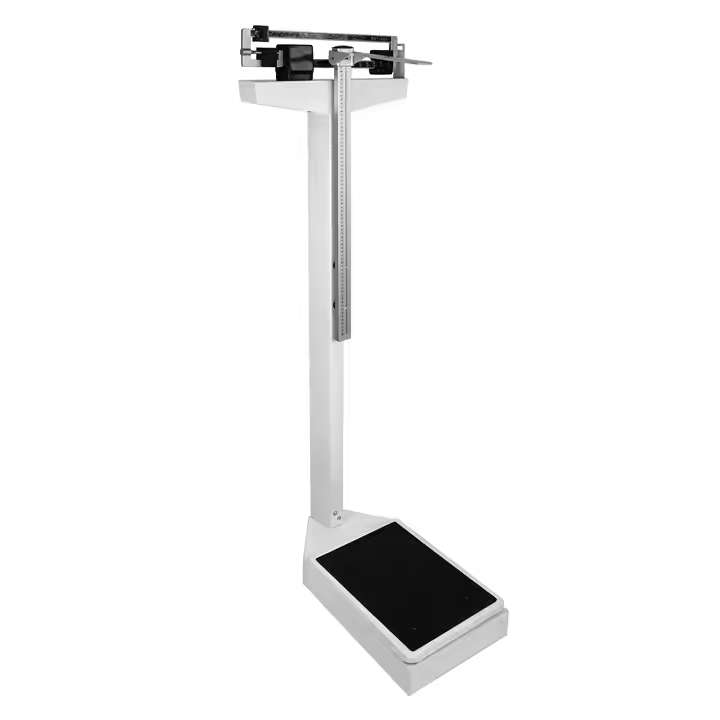
Pediatric healthcare requires precision instruments that deliver accurate measurements for proper patient assessment and treatment planning. Healthcare providers working with infants and children need reliable equipment that can capture both height and weight measurements efficiently. The height weight scale has become an essential tool in pediatric clinics, hospitals, and medical facilities worldwide. This comprehensive monitoring solution provides healthcare professionals with the data needed to track growth patterns, assess nutritional status, and make informed clinical decisions. Modern pediatric height weight scale systems integrate advanced technology with user-friendly designs to ensure accurate measurements while maintaining patient comfort and safety.
Essential Features of Pediatric Height Weight Scale Systems
Digital Precision Technology
Contemporary pediatric height weight scale models incorporate digital precision technology that ensures measurement accuracy within acceptable medical tolerances. These systems utilize high-resolution sensors and advanced calibration algorithms to deliver consistent readings across multiple measurement sessions. The digital display provides clear readouts that eliminate interpretation errors common with analog systems. Many height weight scale units feature automatic zero adjustment and temperature compensation to maintain accuracy under varying environmental conditions. Healthcare facilities benefit from this technological advancement through reduced measurement variability and improved patient care outcomes.
Advanced height weight scale systems often include memory functions that store previous measurements for comparison purposes. This feature allows healthcare providers to track growth trends over time without manual record keeping. The digital precision extends to both height and weight measurements, ensuring comprehensive patient data collection in a single procedure. Medical professionals appreciate the efficiency gained from integrated measurement systems that reduce patient handling and examination time while maintaining clinical accuracy standards.
Safety and Comfort Design Elements
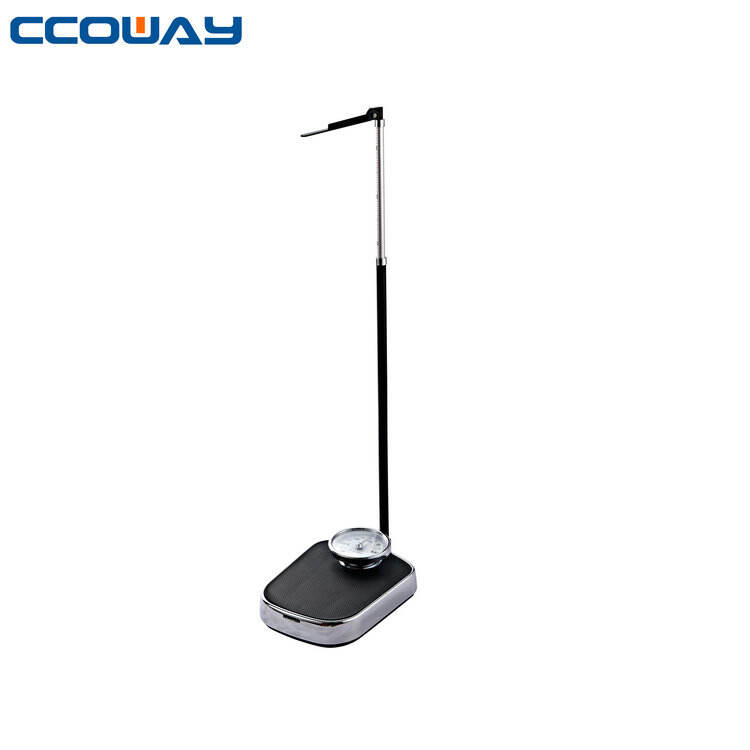
Pediatric patients require specialized equipment designs that prioritize safety and comfort during medical procedures. Modern height weight scale systems incorporate rounded edges, non-slip surfaces, and appropriate sizing for different age groups. The weighing platform typically features anti-slip materials and raised edges to prevent falls during measurements. Height measurement components include gentle restraint systems that ensure proper positioning without causing distress to young patients. These design considerations help create a positive healthcare experience while maintaining measurement accuracy.
Ergonomic considerations in height weight scale design extend to healthcare provider interactions as well. Display screens are positioned at appropriate heights and angles for easy reading during patient examinations. Control interfaces feature intuitive layouts that minimize operation complexity during busy clinical environments. Many systems include quick-start functions that reduce setup time between patients. The combination of patient safety features and provider convenience makes these height weight scale systems valuable additions to pediatric healthcare facilities.
Clinical Applications in Pediatric Healthcare
Growth Monitoring and Assessment
Regular growth monitoring represents a fundamental aspect of pediatric healthcare that requires accurate height and weight measurements. Healthcare providers use height weight scale data to plot growth curves, identify developmental concerns, and assess nutritional interventions. Consistent measurement protocols using standardized equipment ensure reliable data collection for longitudinal growth studies. The ability to capture both measurements simultaneously reduces patient stress and improves compliance with regular monitoring schedules. Clinical decision-making benefits significantly from accurate height weight scale readings that support evidence-based treatment planning.
Growth assessment protocols often require multiple measurements over extended periods to identify trends and variations in development patterns. Height weight scale systems with data storage capabilities support these longitudinal studies by maintaining measurement histories. Healthcare providers can quickly access previous readings to compare current measurements against established baselines. This comprehensive approach to growth monitoring helps identify potential health issues early in development when intervention strategies are most effective. The reliability of modern height weight scale technology supports confident clinical decision-making in pediatric care settings.
Nutritional Status Evaluation
Nutritional assessment in pediatric patients relies heavily on anthropometric measurements obtained through accurate height weight scale systems. Healthcare providers calculate body mass index, growth percentiles, and nutritional risk factors using precise height and weight data. These calculations inform dietary recommendations, supplement prescriptions, and feeding protocol adjustments for hospitalized patients. The accuracy of height weight scale measurements directly impacts the quality of nutritional interventions and treatment outcomes. Medical facilities prioritize equipment reliability to ensure optimal patient care in nutrition-related treatments.
Specialized pediatric populations, including premature infants and children with chronic conditions, require particularly precise monitoring of nutritional parameters. Height weight scale systems designed for these populations often include enhanced sensitivity settings and specialized measurement protocols. Healthcare providers working with high-risk patients depend on equipment accuracy to guide critical nutritional decisions. The integration of height and weight measurements in a single system streamlines the assessment process while maintaining the precision necessary for specialized care protocols.
Technological Advancements in Measurement Systems
Integration with Electronic Health Records
Modern healthcare facilities increasingly require equipment that integrates seamlessly with electronic health record systems. Advanced height weight scale models feature connectivity options that automatically transfer measurement data to patient records. This integration eliminates manual data entry errors and ensures consistent record keeping across healthcare teams. The automated data transfer also reduces administrative burden on healthcare staff while improving documentation accuracy. Medical facilities benefit from streamlined workflows that support efficient patient care delivery through integrated measurement systems.
Data integration capabilities extend beyond basic measurement transfer to include trend analysis and alert systems. Some height weight scale systems can identify unusual measurement patterns and generate notifications for healthcare providers. These intelligent features support proactive patient care by highlighting potential concerns before they become critical issues. The combination of accurate measurement technology and smart data management makes contemporary height weight scale systems valuable tools for comprehensive pediatric healthcare delivery.
Wireless Connectivity and Remote Monitoring
Wireless technology has revolutionized how healthcare facilities manage patient data and equipment connectivity. Modern height weight scale systems often include wireless transmission capabilities that support remote monitoring applications. Healthcare providers can access patient measurement data from multiple locations within medical facilities or through secure remote connections. This connectivity supports telemedicine applications and enables collaborative care approaches between different healthcare specialists. The flexibility provided by wireless height weight scale systems enhances patient care coordination and treatment planning processes.
Remote monitoring capabilities become particularly valuable in home healthcare settings where families need to track pediatric growth parameters between clinical visits. Some height weight scale systems support secure data transmission to healthcare providers who can monitor patient progress remotely. This technology enables early intervention when measurement trends indicate potential health concerns. The combination of accurate home monitoring and professional oversight creates comprehensive care networks that support optimal pediatric health outcomes through continuous measurement tracking.
Selection Criteria for Healthcare Facilities
Accuracy and Calibration Requirements
Healthcare facilities must establish clear accuracy standards when selecting height weight scale equipment for pediatric applications. Medical-grade systems typically require calibration certifications and ongoing maintenance protocols to ensure measurement reliability. The selection process should include evaluation of manufacturer quality standards, regulatory compliance, and long-term accuracy maintenance requirements. Healthcare administrators need to consider both initial equipment costs and ongoing calibration expenses when budgeting for height weight scale systems. The investment in high-quality measurement equipment typically provides long-term value through improved patient care outcomes and reduced measurement errors.
Calibration requirements for height weight scale systems vary based on usage frequency and regulatory requirements. Healthcare facilities should establish regular calibration schedules that maintain equipment accuracy within acceptable medical tolerances. Many modern systems include self-calibration features that reduce maintenance complexity while ensuring consistent performance. The selection of equipment with robust calibration capabilities supports regulatory compliance and maintains confidence in measurement accuracy. Healthcare providers depend on reliable height weight scale performance to support critical clinical decisions throughout pediatric care delivery.
Durability and Maintenance Considerations
Healthcare environments require equipment that withstand frequent use and regular cleaning procedures without compromising measurement accuracy. Durable height weight scale systems feature robust construction materials and protective coatings that resist wear and chemical damage. The selection process should evaluate equipment design for longevity and ease of maintenance in busy clinical settings. Healthcare facilities benefit from equipment that maintains performance standards over extended use periods while requiring minimal maintenance interventions. The total cost of ownership includes both initial purchase price and ongoing maintenance requirements for height weight scale systems.
Maintenance accessibility becomes crucial for healthcare facilities that operate continuous patient care schedules. Height weight scale systems with modular designs often provide easier access to components requiring routine service or replacement. Healthcare administrators should consider availability of local service support and replacement parts when selecting measurement equipment. The reliability of height weight scale systems directly impacts patient care scheduling and clinical workflow efficiency. Investment in well-supported equipment with proven durability records typically provides better long-term value for healthcare facilities.
Training and Implementation Strategies
Staff Training Protocols
Successful implementation of height weight scale systems requires comprehensive staff training that covers proper operation procedures and measurement techniques. Healthcare facilities should develop standardized training protocols that ensure consistent equipment use across all staff members. Training programs should include hands-on practice sessions that familiarize users with equipment features and troubleshooting procedures. The accuracy of height weight scale measurements depends significantly on proper operation techniques and adherence to established protocols. Ongoing training updates help maintain measurement quality and equipment performance standards throughout the implementation period.
Training effectiveness can be enhanced through combination approaches that include manufacturer-provided instruction and facility-specific protocols. Healthcare administrators should establish competency assessment procedures that verify staff proficiency with height weight scale operation. Regular refresher training sessions help maintain measurement accuracy and identify potential issues before they affect patient care. The investment in comprehensive training programs typically provides returns through improved measurement consistency and reduced equipment-related errors in clinical settings.
Quality Assurance and Documentation
Quality assurance programs for height weight scale systems should include regular accuracy checks and documentation procedures. Healthcare facilities need to establish protocols for routine equipment verification and measurement validation. These programs help identify potential accuracy issues before they impact patient care decisions. Documentation requirements often include calibration records, maintenance logs, and accuracy verification results. The systematic approach to quality assurance supports regulatory compliance and maintains confidence in height weight scale performance throughout the equipment lifecycle.
Documentation systems should capture both routine maintenance activities and any unusual equipment behavior that might affect measurement accuracy. Healthcare facilities can use this information to identify patterns that indicate equipment service needs or replacement requirements. Quality assurance documentation also supports equipment warranty claims and regulatory inspections. The comprehensive approach to height weight scale quality management ensures consistent performance and supports optimal patient care delivery through reliable measurement systems.
FAQ
What makes a height weight scale suitable for pediatric use
Pediatric height weight scale systems require specific design features that address the unique needs of infant and child patients. These systems typically include appropriate sizing for small patients, safety features like raised platform edges, and gentle restraint systems for height measurements. The equipment should provide high accuracy at lower weight ranges and include features that minimize patient distress during measurements. Medical-grade pediatric height weight scale units also incorporate easy cleaning capabilities and durable construction suitable for frequent use in healthcare environments.
How often should height weight scale equipment be calibrated
Calibration frequency for height weight scale systems depends on usage intensity and regulatory requirements specific to healthcare facilities. Most medical facilities establish monthly or quarterly calibration schedules for frequently used equipment. High-volume pediatric clinics may require more frequent calibration to maintain measurement accuracy standards. Healthcare facilities should follow manufacturer recommendations and regulatory guidelines when establishing calibration protocols. Regular calibration ensures measurement reliability and supports compliance with medical device quality standards.
Can height weight scale systems integrate with existing medical software
Modern height weight scale systems often feature connectivity options that support integration with electronic health records and practice management software. Many systems include USB, wireless, or network connection capabilities that enable automatic data transfer. Healthcare facilities should verify compatibility requirements with existing software systems before selecting measurement equipment. Integration capabilities reduce manual data entry requirements and improve documentation accuracy in patient records. The connectivity features vary between manufacturers and models, so facilities should evaluate specific integration needs during the selection process.
What safety certifications should healthcare facilities look for
Healthcare facilities should verify that height weight scale systems meet appropriate medical device safety standards and regulatory certifications. Common certifications include FDA approval for medical devices, CE marking for European compliance, and ISO quality management standards. The equipment should also comply with electrical safety standards and electromagnetic compatibility requirements for healthcare environments. Healthcare administrators should request documentation of all relevant certifications and ensure ongoing compliance throughout the equipment lifecycle. These certifications provide assurance of equipment safety and performance reliability in medical applications.