 EN
EN

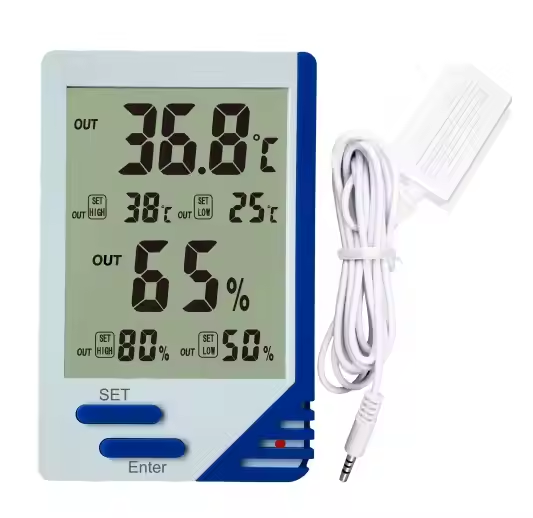
Indoor air quality significantly impacts our health and comfort, yet many homeowners overlook one crucial factor that affects both mold growth and allergen proliferation. A hygrometer serves as an essential tool for monitoring humidity levels within your living space, providing valuable data that helps prevent costly moisture-related problems. Understanding how humidity affects your home environment empowers you to take proactive measures against mold development and allergen accumulation, ultimately creating a healthier atmosphere for you and your family.
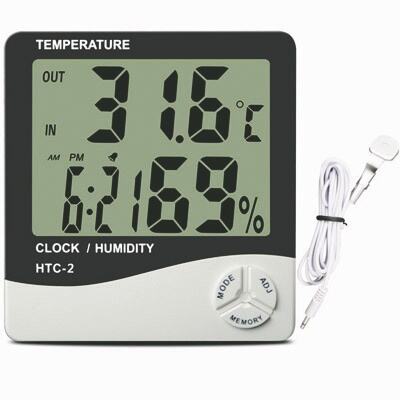
Understanding Humidity and Its Impact on Indoor Health
The Science Behind Optimal Humidity Levels
Maintaining proper humidity levels between 30% and 50% relative humidity creates an environment that discourages mold growth while minimizing allergen activity. When humidity exceeds 60%, conditions become favorable for mold spores to germinate and establish colonies throughout your home. A reliable hygrometer provides accurate readings that help you identify when humidity levels deviate from this optimal range, enabling immediate corrective action.
Research demonstrates that excessive moisture in indoor environments promotes the proliferation of dust mites, bacteria, and various fungi that contribute to respiratory problems. These microorganisms thrive in humid conditions, releasing allergens and toxins that can trigger asthma attacks, allergic reactions, and other health complications. By monitoring humidity with a precision instrument, homeowners gain valuable insights into their indoor climate patterns.
Health Consequences of Uncontrolled Humidity
Poor humidity control creates cascading health effects that extend beyond simple discomfort. High humidity environments foster the development of volatile organic compounds from mold metabolism, creating musty odors and potentially toxic air quality. These compounds can cause headaches, fatigue, and respiratory irritation in sensitive individuals, particularly children and elderly residents.
Conversely, excessively dry conditions below 30% humidity can also create problems by increasing static electricity, causing skin irritation, and making respiratory passages more susceptible to infections. A quality hygrometer helps maintain the delicate balance necessary for optimal indoor air quality, protecting occupants from both moisture-related and dry-air complications.
Mold Prevention Through Strategic Humidity Monitoring
Identifying High-Risk Areas in Your Home
Certain areas within residential spaces naturally accumulate moisture and require focused attention from homeowners using humidity monitoring equipment. Bathrooms, kitchens, basements, and laundry rooms typically experience elevated humidity levels due to water usage and poor ventilation. Placing a hygrometer in these locations helps identify when moisture levels reach dangerous thresholds that promote mold colonization.
Seasonal variations also affect humidity distribution throughout different rooms, making continuous monitoring essential for comprehensive mold prevention. During summer months, air conditioning systems may create varying humidity zones, while winter heating can produce extremely dry conditions in some areas while maintaining higher moisture levels in others. Strategic placement of multiple monitoring devices provides comprehensive coverage of your home's humidity landscape.
Early Warning Systems for Mold Development
Modern digital instruments offer advanced features that transform basic humidity measurement into sophisticated early warning systems for mold prevention. Many devices include programmable alarms that alert homeowners when humidity levels exceed predetermined thresholds, enabling immediate intervention before mold establishment occurs. This proactive approach proves far more cost-effective than remediation efforts after mold colonies have developed.
Historical data logging capabilities allow homeowners to identify humidity patterns and trends that might indicate underlying moisture problems requiring attention. By analyzing long-term humidity fluctuations, you can detect slow leaks, inadequate ventilation, or seasonal issues that contribute to mold-friendly conditions before visible growth appears on surfaces.
Allergen Control Through Environmental Management
Dust Mite Population Control
Dust mites represent one of the most common indoor allergens, thriving in environments with relative humidity above 50%. These microscopic creatures feed on dead skin cells and multiply rapidly in humid conditions, producing allergens that trigger asthma and allergic reactions in sensitive individuals. An accurate hygrometer enables homeowners to maintain humidity levels that naturally suppress dust mite populations without requiring chemical interventions.
Research indicates that reducing indoor humidity to levels below 45% significantly decreases dust mite survival rates and reproduction, leading to substantial reductions in airborne allergen concentrations. This natural approach to allergen control proves particularly beneficial for households with asthmatic children or adults with dust mite sensitivities, providing relief without introducing additional chemicals into the indoor environment.
Managing Seasonal Allergen Fluctuations
Seasonal changes bring varying challenges for indoor allergen control, with humidity playing a crucial role in determining allergen activity levels throughout the year. Spring and summer months often introduce elevated humidity from outdoor air infiltration, while winter heating systems can create extremely dry conditions that increase static electricity and airborne particle circulation. Consistent humidity monitoring helps homeowners adjust their environmental control strategies according to seasonal demands.
Pollen infiltration during high-humidity periods creates compound allergen exposure that can overwhelm sensitive individuals. By maintaining optimal humidity levels during peak pollen seasons, homeowners reduce the likelihood of pollen particles becoming airborne within their homes while simultaneously preventing moisture-related allergen proliferation from indoor sources.
Practical Implementation Strategies for Home Humidity Control
Selecting Appropriate Monitoring Equipment
Choosing the right humidity monitoring equipment requires consideration of accuracy, reliability, and feature sets that match your specific home environment needs. Digital instruments with calibrated sensors provide superior accuracy compared to analog alternatives, ensuring reliable measurements for effective humidity management. Look for devices that offer temperature measurement alongside humidity readings, as these factors work together to influence indoor air quality conditions.
Professional-grade instruments feature additional capabilities such as minimum/maximum recording, data logging, and wireless connectivity that enhance long-term monitoring effectiveness. These advanced features prove particularly valuable for homeowners dealing with persistent moisture problems or those managing health conditions that require precise environmental control.
Creating Effective Monitoring Networks
Establishing multiple monitoring points throughout your home provides comprehensive coverage that single-location measurements cannot achieve. Different rooms experience varying humidity levels due to factors such as sun exposure, ventilation patterns, and moisture sources, making strategic device placement essential for effective environmental management. Consider placing monitoring equipment in bedrooms, living areas, and moisture-prone spaces to capture complete humidity profiles.
Integration with smart home systems enables automated responses to humidity fluctuations, such as activating ventilation fans or adjusting HVAC settings when levels exceed predetermined ranges. This automated approach ensures consistent environmental conditions without requiring constant manual intervention, making humidity control more convenient and reliable for busy homeowners.
Long-term Benefits of Consistent Humidity Monitoring
Property Protection and Maintenance Savings
Proper humidity control through regular monitoring protects building materials, furnishings, and personal belongings from moisture-related damage that can result in significant repair and replacement costs. Wood flooring, cabinetry, and structural elements benefit from stable humidity conditions that prevent warping, cracking, and deterioration. Electronics and sensitive equipment also perform better and last longer in properly controlled environments.
Prevention of mold growth through effective humidity management eliminates the need for expensive remediation services that can cost thousands of dollars and require extensive property disruption. Early detection and control of moisture problems through consistent monitoring represents a wise investment that pays dividends through avoided damage and reduced maintenance expenses over time.
Enhanced Quality of Life and Health Outcomes
Families living in properly controlled environments experience fewer respiratory problems, allergic reactions, and general discomfort associated with poor indoor air quality. Children with asthma show improved symptoms when exposed to optimal humidity levels, while elderly residents benefit from reduced risk of respiratory infections and skin irritation. These health improvements translate into reduced medical expenses and enhanced daily comfort for all household members.
Sleep quality improvements often result from maintaining proper humidity levels, as optimal conditions reduce nighttime congestion, dry throat, and other discomforts that can disrupt rest patterns. Better sleep contributes to improved immune function, mental clarity, and overall well-being, demonstrating how environmental control through humidity monitoring creates far-reaching benefits beyond simple comfort enhancement.
FAQ
What humidity level prevents mold growth most effectively?
Maintaining relative humidity between 30% and 50% creates optimal conditions for preventing mold growth while ensuring comfortable living conditions. Levels consistently above 60% provide favorable environments for mold spore germination and colony establishment, while extremely low humidity below 30% can cause other indoor air quality problems. A hygrometer helps homeowners maintain this critical balance through accurate, real-time monitoring of environmental conditions.
How often should I check my hygrometer readings?
Daily monitoring provides the most effective approach for maintaining optimal humidity levels and preventing mold or allergen problems. However, checking readings several times per week can suffice for stable environments with good ventilation and climate control systems. During seasonal transitions, weather changes, or after activities that generate moisture, more frequent monitoring helps identify potential issues before they develop into serious problems.
Can a hygrometer help reduce energy costs?
Proper humidity monitoring enables more efficient HVAC system operation by helping homeowners understand when environmental adjustments are actually necessary rather than running equipment continuously. Maintaining optimal humidity levels allows for comfortable temperatures at slightly higher settings during summer and lower settings during winter, reducing energy consumption. Additionally, preventing mold growth and moisture damage eliminates the need for energy-intensive remediation equipment and processes.
Do I need multiple hygrometers for different rooms?
Yes, different areas of your home experience varying humidity levels due to factors such as ventilation, sun exposure, moisture sources, and room usage patterns. Placing monitoring devices in key locations such as bedrooms, bathrooms, basements, and living areas provides comprehensive coverage that single-location measurements cannot achieve. This multi-point approach ensures effective humidity control throughout your entire living space, maximizing mold prevention and allergen control benefits.