 EN
EN

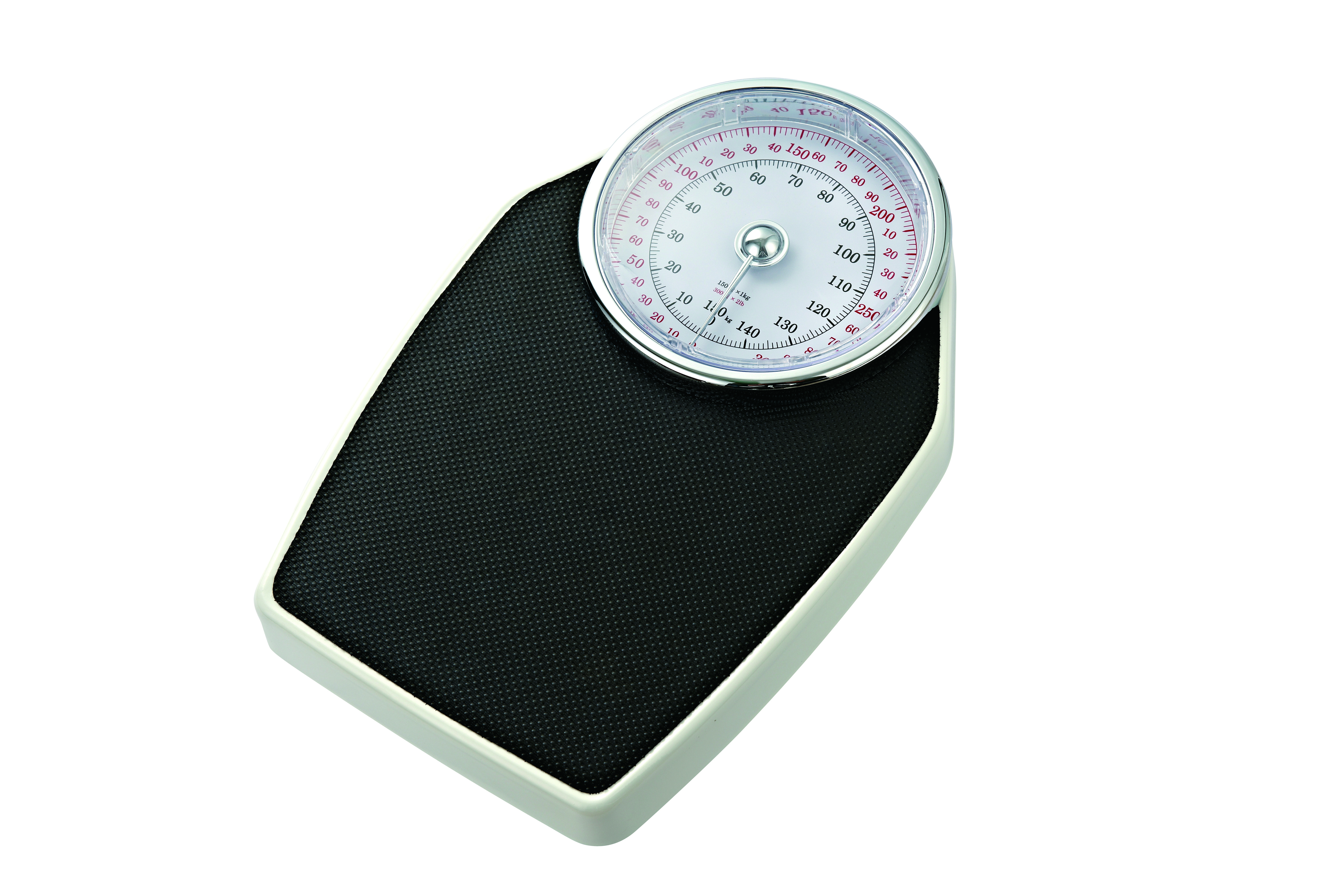
Regular monitoring of body weight has become an essential component of modern health management strategies. Using a bathroom scale consistently provides valuable insights into your physical well-being and helps establish sustainable health routines. Whether you're pursuing weight loss goals, maintaining current fitness levels, or simply staying aware of your body's changes, incorporating daily or weekly weigh-ins can significantly impact your overall health journey. The simple act of stepping onto a scale creates accountability and awareness that many people find instrumental in achieving their wellness objectives.
Enhanced Health Awareness and Monitoring
Early Detection of Health Changes
Consistent use of a bathroom scale enables early identification of significant weight fluctuations that may indicate underlying health issues. Sudden weight gain could signal fluid retention, hormonal changes, or medication side effects, while unexpected weight loss might point to metabolic disorders or nutritional deficiencies. Healthcare professionals often emphasize the importance of tracking these patterns, as they provide crucial data points for medical assessments. Regular monitoring allows individuals to notice trends before they become problematic, facilitating timely medical intervention when necessary.
The ability to detect gradual changes is particularly valuable for individuals with chronic conditions such as heart disease, diabetes, or thyroid disorders. These conditions can cause subtle weight variations that might otherwise go unnoticed without consistent monitoring. By maintaining detailed weight records, patients can provide their healthcare providers with comprehensive data that enhances diagnostic accuracy and treatment effectiveness.
Establishing Baseline Health Metrics
Creating a personal health baseline through regular weighing establishes reference points for future health decisions and medical consultations. This baseline data becomes increasingly valuable over time, revealing seasonal patterns, lifestyle impacts, and long-term trends that influence overall well-being. Many individuals discover that their weight naturally fluctuates within specific ranges, helping them distinguish between normal variations and concerning changes.
Understanding your personal weight patterns also helps optimize timing for medical procedures, medication adjustments, and lifestyle modifications. Healthcare providers rely on accurate weight history to make informed decisions about treatment plans, dosing calculations, and risk assessments. This historical data proves invaluable during routine check-ups and emergency medical situations.

Motivation and Accountability in Fitness Goals
Creating Consistent Feedback Loops
Regular bathroom scale use creates immediate feedback mechanisms that reinforce positive behaviors and highlight areas needing attention. This immediate response system helps individuals stay connected to their health goals and makes abstract concepts like 'getting healthier' more concrete and measurable. The psychological impact of seeing daily or weekly progress, even small changes, can significantly boost motivation and commitment to healthy lifestyle choices.
Research indicates that individuals who weigh themselves regularly are more likely to maintain weight loss and achieve fitness objectives compared to those who avoid the scale. This consistent feedback helps people make real-time adjustments to their diet, exercise routines, and lifestyle habits. The data-driven approach removes guesswork and emotional decision-making from health management, replacing it with objective information.
Building Sustainable Health Habits
Incorporating regular weighing into daily routines helps establish broader healthy habits through the psychological principle of habit stacking. When individuals commit to daily scale use, they often naturally develop related healthy behaviors such as mindful eating, regular exercise, and better sleep hygiene. This ripple effect occurs because the scale serves as a daily reminder of health commitments and goals.
The ritual of morning weighing can become a moment of mindful reflection about the previous day's choices and intentions for the current day. This practice encourages individuals to consider how their actions align with their health objectives, promoting more conscious decision-making throughout the day. Over time, these small daily moments of reflection compound into significant behavioral changes and improved health outcomes.
Weight Management and Body Composition Insights
Understanding Natural Weight Fluctuations
Regular scale use helps individuals understand normal daily weight variations, reducing anxiety and confusion about temporary fluctuations. Body weight naturally changes due to factors such as hydration levels, meal timing, hormonal cycles, and physical activity intensity. Without consistent monitoring, people often misinterpret these normal variations as significant gains or losses, leading to unnecessary stress or inappropriate dietary restrictions.
Learning to recognize patterns in weight fluctuations empowers individuals to make more informed decisions about their health routines. For example, understanding that weight typically increases after high-sodium meals or intense workouts helps prevent panic and maintains focus on long-term trends rather than daily variations. This knowledge promotes a healthier relationship with the scale and reduces the emotional volatility often associated with weight monitoring.
Tracking Progress Beyond Simple Weight Loss
Modern bathroom scales often provide additional metrics beyond basic weight measurement, including body fat percentage, muscle mass, and water composition. These comprehensive measurements offer deeper insights into body composition changes that pure weight numbers might mask. Individuals building muscle while losing fat might see minimal weight changes despite significant body composition improvements.
Understanding these various metrics helps people set more appropriate goals and maintain motivation during plateaus or periods of minimal weight change. bathroom scale technology has evolved to provide detailed analytics that support more sophisticated health monitoring strategies. This comprehensive data allows for more nuanced health assessments and personalized fitness approaches.
Mental Health and Psychological Benefits
Reducing Anxiety Through Knowledge
Contrary to common assumptions, regular weighing can actually reduce anxiety for many individuals by replacing uncertainty with concrete information. The fear of weight gain often proves more stressful than knowing actual numbers, and consistent monitoring eliminates the psychological burden of guessing and worrying. When people avoid the scale, they often imagine worst-case scenarios that may be far from reality.
Knowledge empowers action, and regular weight monitoring provides the information necessary for informed health decisions. Instead of feeling helpless about weight concerns, individuals can take specific steps based on accurate data. This sense of control and agency significantly improves mental well-being and reduces health-related stress and anxiety.
Building Self-Awareness and Mindfulness
Daily or weekly weighing promotes increased body awareness and mindfulness about lifestyle choices and their consequences. This heightened awareness extends beyond weight to include energy levels, sleep quality, and overall physical sensations. Many people report that regular scale use helps them become more attuned to their body's signals and needs.
The practice of regular weighing can serve as a form of meditation or mindful check-in, creating space for reflection about health priorities and goals. This daily moment of self-assessment encourages individuals to consider their physical and emotional well-being, promoting a more holistic approach to health management. The routine creates structure and intentionality around health decisions.
Long-term Health Outcomes and Disease Prevention
Supporting Preventive Healthcare Strategies
Consistent weight monitoring supports broader preventive healthcare strategies by providing early indicators of potential health risks. Maintaining awareness of weight trends helps individuals and healthcare providers identify risks for conditions such as diabetes, cardiovascular disease, and metabolic syndrome before they fully develop. This proactive approach to health management can significantly reduce long-term healthcare costs and improve quality of life.
Regular weighing also supports medication management and dosing accuracy for individuals with chronic conditions. Many medications require weight-based dosing adjustments, and accurate, current weight information ensures optimal therapeutic outcomes. This precision becomes particularly important for medications with narrow therapeutic windows or significant side effect profiles.
Maintaining Healthy Weight Ranges Throughout Life
Life stages bring natural changes in metabolism, activity levels, and body composition, making regular monitoring essential for maintaining healthy weight ranges over time. Menopause, aging, career changes, and family transitions can all impact weight management, and consistent tracking helps individuals adapt their strategies accordingly. Early intervention during these transition periods often proves more effective than addressing significant weight changes after they occur.
The data collected through years of regular weighing creates valuable personal health history that informs future health decisions and medical care. This longitudinal data helps identify personal patterns, successful strategies, and potential risk factors that might not be apparent through occasional measurements. Healthcare providers increasingly value this type of patient-generated health data for comprehensive care planning.
FAQ
How often should I weigh myself for optimal results
Most health experts recommend weighing yourself daily or weekly at the same time of day, preferably in the morning after using the bathroom and before eating or drinking. Daily weighing provides more data points for identifying patterns, while weekly weighing may be less stressful for individuals sensitive to normal fluctuations. The key is consistency in timing and frequency rather than the specific schedule chosen. Choose a frequency that you can maintain long-term without causing anxiety or obsessive behaviors.
What should I do if the scale shows unexpected weight changes
Unexpected weight changes should first be evaluated in context of recent lifestyle factors such as diet changes, new medications, illness, travel, or stress levels. If significant changes persist for more than a few days to a week without obvious explanations, consider consulting with a healthcare provider. Document any accompanying symptoms such as swelling, changes in appetite, energy levels, or sleep patterns. Remember that temporary fluctuations are normal, but sustained unexplained changes warrant professional evaluation.
Can regular weighing become unhealthy or obsessive
Regular weighing can become problematic if it causes significant anxiety, leads to extreme dietary restrictions, or dominates daily thoughts and emotions. Signs of unhealthy scale use include weighing multiple times per day, extreme emotional reactions to normal fluctuations, or allowing the number to dictate mood and self-worth. If weighing causes distress rather than providing helpful information, consider reducing frequency or consulting with a healthcare professional or mental health counselor who specializes in body image and eating concerns.
What features should I look for in a modern bathroom scale
Modern bathroom scales offer various features beyond basic weight measurement, including body fat percentage, muscle mass analysis, and smartphone connectivity for data tracking. Look for scales with consistent accuracy, clear displays, and appropriate weight capacity for your needs. Smart scales that sync with health apps can provide valuable trend analysis and integration with other health metrics. Consider your specific goals when choosing features – basic weight tracking may be sufficient for some individuals, while others benefit from comprehensive body composition analysis and long-term data storage capabilities.