 EN
EN


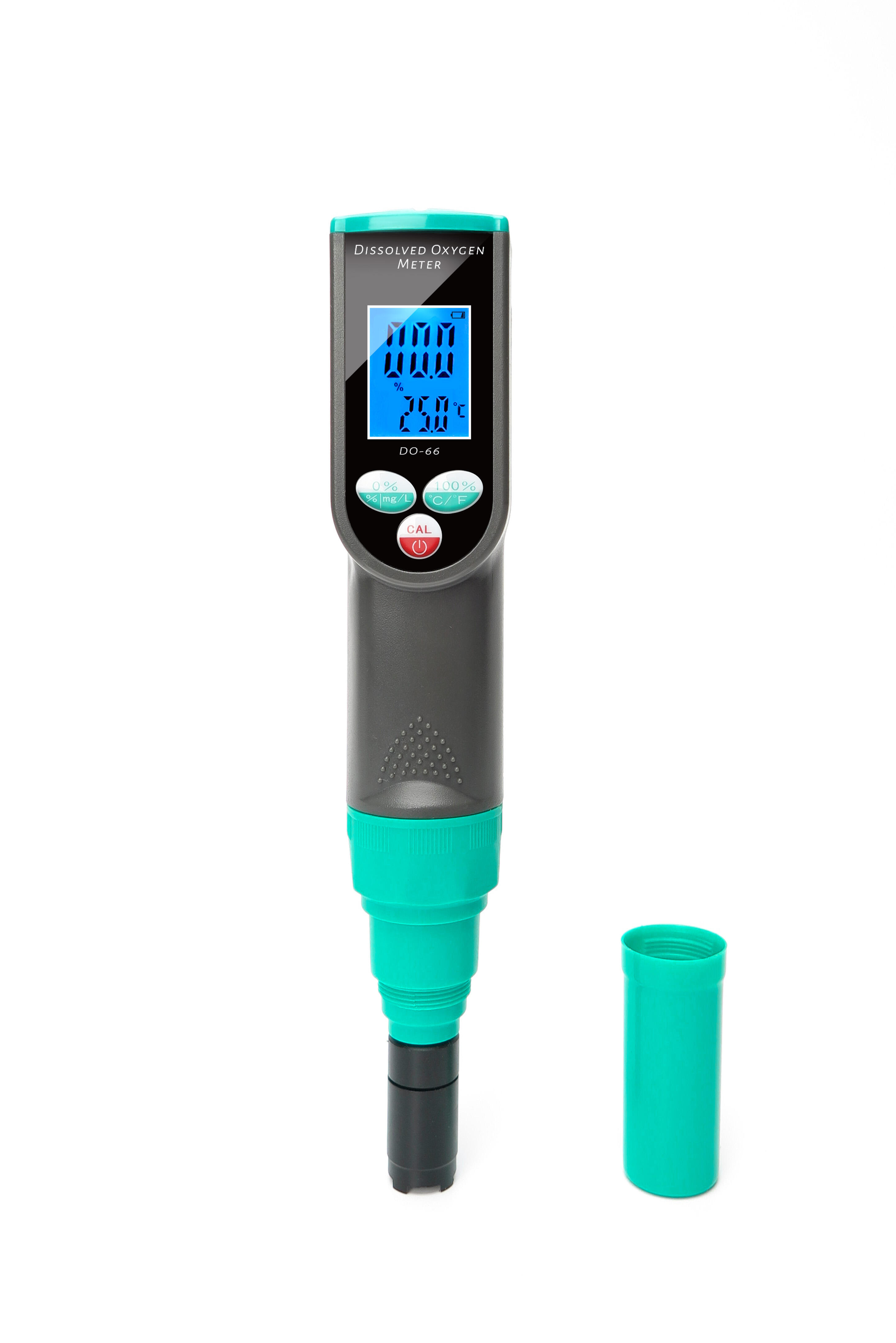
Dissolved oxygen monitoring forms the cornerstone of effective aquatic ecosystem management, serving as a critical indicator of water quality and ecosystem health. The importance of maintaining optimal oxygen levels in aquatic environments cannot be overstated, as these levels directly impact the survival and thriving of fish, aquatic plants, and microorganisms. A DO meter provides precise, real-time measurements that enable aquaculturists, environmental scientists, and water quality professionals to make informed decisions about water management strategies.
Understanding why a DO meter is essential requires examining the complex relationship between dissolved oxygen levels and aquatic life sustainability. Oxygen depletion in aquatic systems can occur rapidly due to various factors including temperature fluctuations, organic pollution, algae blooms, and overstocking in aquaculture facilities. Without accurate monitoring capabilities, these changes can lead to fish kills, ecosystem collapse, and significant economic losses in commercial aquaculture operations.
Critical Role in Aquatic Life Survival
Oxygen Requirements Across Species
Different aquatic species have varying dissolved oxygen requirements, making precise monitoring essential for maintaining healthy populations. Cold-water fish species typically require higher dissolved oxygen concentrations, often needing levels above 6-8 mg/L for optimal health and growth. Warm-water species may tolerate slightly lower levels, but still require consistent monitoring to prevent stress-induced mortality. A reliable DO meter enables aquaculture professionals to maintain species-specific oxygen requirements throughout different seasonal conditions.
The relationship between temperature and oxygen solubility further emphasizes the importance of continuous monitoring. As water temperature increases, the capacity to hold dissolved oxygen decreases, creating potential crisis situations during summer months. Regular measurements using a DO meter allow operators to implement preventive measures such as aeration systems, water circulation improvements, or stocking density adjustments before critical oxygen depletion occurs.
Early Warning System for Ecosystem Stress
A DO meter functions as an early warning system, detecting subtle changes in water quality before visible signs of distress appear in aquatic populations. Declining oxygen levels often precede fish behavior changes, feeding pattern alterations, and eventual mortality events. By establishing baseline measurements and monitoring trends over time, aquatic managers can identify potential problems and implement corrective actions proactively rather than reactively.
Environmental factors such as algae blooms, bacterial decomposition, and organic matter accumulation can rapidly consume available oxygen in aquatic systems. These processes often occur gradually initially, making them difficult to detect without precise instrumentation. Regular DO meter readings provide quantifiable data that reveals these gradual changes, enabling intervention before critical thresholds are reached and ecosystem damage becomes irreversible.
Environmental Monitoring and Compliance
Regulatory Requirements and Standards
Environmental regulations increasingly require documented proof of water quality maintenance in various aquatic monitoring applications. Government agencies and environmental protection organizations establish minimum dissolved oxygen standards for different water body classifications, making accurate measurement capabilities mandatory for compliance purposes. A professional-grade DO meter provides the precision and reliability necessary to meet these regulatory requirements while maintaining detailed records for inspection and reporting purposes.
Industrial facilities with water discharge permits must demonstrate that their effluent does not negatively impact receiving water bodies' oxygen levels. This requires regular monitoring both upstream and downstream of discharge points, with documented evidence of dissolved oxygen maintenance. The accuracy and reliability of DO meter measurements become crucial for maintaining compliance and avoiding regulatory penalties or operational restrictions.
Ecosystem Health Assessment
Long-term ecosystem health assessment relies heavily on dissolved oxygen trend analysis, making consistent monitoring practices essential for environmental research and management. A DO meter enables researchers and environmental managers to establish baseline conditions, track seasonal variations, and identify long-term trends that indicate ecosystem stability or degradation. This data becomes invaluable for making informed decisions about conservation strategies, restoration efforts, and resource allocation.
Climate change impacts on aquatic systems often manifest through altered oxygen dynamics, temperature-related solubility changes, and modified biological oxygen demand patterns. Comprehensive monitoring programs using reliable DO meter technology provide the data necessary to understand these complex interactions and develop adaptive management strategies. This information proves essential for protecting valuable aquatic resources and maintaining ecosystem services that support both environmental and economic sustainability.
Aquaculture Production Optimization
Feed Efficiency and Growth Optimization
Optimal dissolved oxygen levels directly correlate with feed conversion efficiency and growth rates in aquaculture operations, making DO meter monitoring essential for maximizing production profitability. Fish experiencing oxygen stress exhibit reduced appetite, slower growth rates, and increased susceptibility to disease, all of which negatively impact production economics. Maintaining optimal oxygen levels through precise monitoring enables aquaculture operators to achieve maximum feed efficiency and minimize production costs.
Research demonstrates that maintaining dissolved oxygen levels within optimal ranges can improve feed conversion ratios by 15-25% compared to systems with suboptimal oxygen management. This improvement directly translates to reduced feed costs, faster growth cycles, and increased production capacity within existing facility constraints. A reliable DO meter provides the measurement precision necessary to maintain these optimal conditions consistently throughout production cycles.
Disease Prevention and Health Management
Oxygen-stressed aquatic organisms become significantly more susceptible to bacterial infections, parasitic infestations, and viral diseases, making dissolved oxygen monitoring a critical component of preventive health management strategies. Low oxygen conditions compromise immune system function, reduce pathogen resistance, and create environmental conditions that favor disease-causing organism proliferation. Regular DO meter monitoring enables early detection of conditions that could lead to disease outbreaks and costly treatment interventions.
Preventive health management through optimal oxygen maintenance proves far more cost-effective than treating disease outbreaks after they occur. Treatment costs, mortality losses, and production delays associated with aquatic disease events can be substantially reduced through proactive oxygen management using reliable DO meter technology. This approach supports sustainable aquaculture practices while maintaining profitability and animal welfare standards.
Technology Advantages in Modern Monitoring
Precision and Real-Time Data Collection
Modern DO meter technology offers unprecedented precision and real-time monitoring capabilities that enable immediate response to changing conditions. Digital sensors provide accurate measurements with minimal calibration requirements, while data logging capabilities allow for continuous monitoring even when operators are not present. This technological advancement transforms aquatic monitoring from periodic sampling to comprehensive, continuous oversight of critical water quality parameters.
Advanced DO meter models feature programmable alarms, data transmission capabilities, and integration with automated control systems that can initiate corrective actions automatically. These features prove particularly valuable in commercial aquaculture operations where immediate response to oxygen depletion events can prevent significant economic losses. The ability to maintain precise control over dissolved oxygen levels represents a major advancement in aquatic system management capabilities.
Cost-Effectiveness and Operational Efficiency
Investment in quality DO meter technology typically provides rapid return through improved production efficiency, reduced mortality rates, and optimized resource utilization. The cost of a professional DO meter system represents a small fraction of potential losses from oxygen-related fish kills or production inefficiencies. Additionally, the operational efficiency gains from automated monitoring and data collection reduce labor requirements while improving monitoring consistency and reliability.
Long-term operational benefits include reduced emergency interventions, improved production predictability, and enhanced ability to optimize system performance based on historical data analysis. The comprehensive data collection capabilities of modern DO meter systems enable continuous improvement in management practices and system design, leading to sustained operational improvements and competitive advantages in aquaculture production or environmental management applications.
FAQ
How often should dissolved oxygen levels be measured in aquatic systems?
Measurement frequency depends on system type and risk factors, but most aquaculture operations benefit from continuous monitoring or measurements every 2-4 hours during critical periods. Natural water bodies may require daily measurements during summer months and weekly measurements during stable periods. High-density aquaculture systems and systems with temperature fluctuations require more frequent monitoring to prevent rapid oxygen depletion events.
What dissolved oxygen levels are considered optimal for different aquatic applications?
Cold-water fish species typically require 6-8 mg/L or higher for optimal health, while warm-water species can tolerate levels of 4-6 mg/L. Natural water bodies should maintain levels above 5 mg/L to support diverse aquatic ecosystems. Industrial and municipal applications may have specific regulatory requirements that vary by location and water body classification, making regular DO meter monitoring essential for compliance.
Can environmental factors affect DO meter accuracy and readings?
Temperature, salinity, altitude, and atmospheric pressure all influence dissolved oxygen solubility and measurement accuracy. Quality DO meter systems automatically compensate for these factors when properly calibrated. Regular calibration using known standards and consideration of local environmental conditions ensure accurate measurements. Proper sensor maintenance and replacement according to manufacturer specifications also maintain measurement reliability over time.
What are the consequences of inadequate dissolved oxygen monitoring in aquatic systems?
Inadequate monitoring can lead to fish kills, ecosystem collapse, regulatory violations, and significant economic losses in commercial operations. Environmental damage from oxygen depletion events can take years to recover and may result in permanent ecosystem changes. In aquaculture operations, poor oxygen management typically results in reduced growth rates, increased disease susceptibility, higher mortality rates, and decreased profitability throughout production cycles.
Table of Contents
- Critical Role in Aquatic Life Survival
- Environmental Monitoring and Compliance
- Aquaculture Production Optimization
- Technology Advantages in Modern Monitoring
-
FAQ
- How often should dissolved oxygen levels be measured in aquatic systems?
- What dissolved oxygen levels are considered optimal for different aquatic applications?
- Can environmental factors affect DO meter accuracy and readings?
- What are the consequences of inadequate dissolved oxygen monitoring in aquatic systems?