 EN
EN

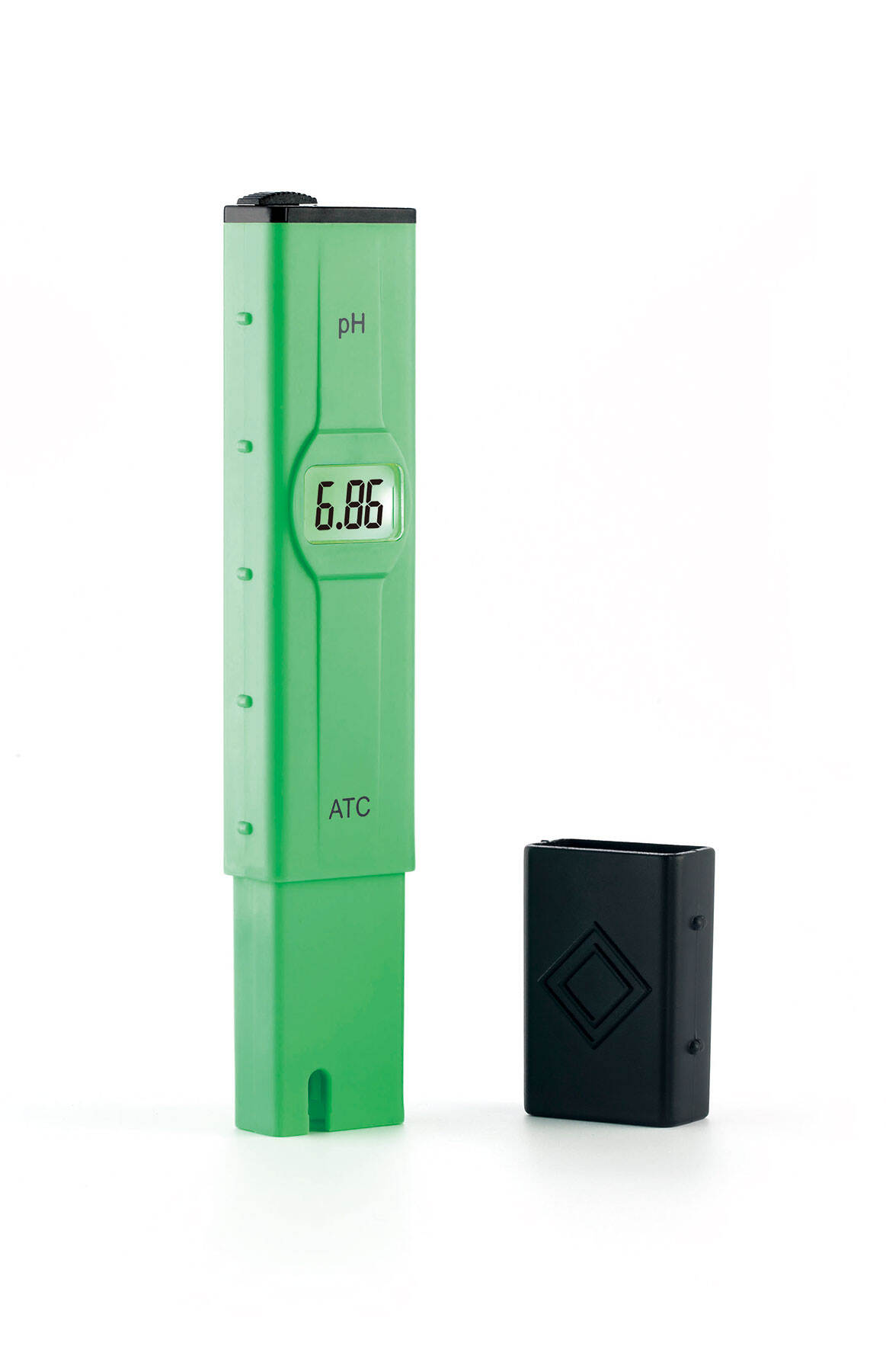
Yes, a conductivity meter can absolutely help in industrial applications, serving as an essential instrument for monitoring water quality, chemical processes, and product consistency across numerous sectors. These precision devices measure the electrical conductivity of solutions, providing critical data that enables industrial operators to maintain optimal process conditions, ensure product quality, and comply with regulatory standards.
Industrial environments demand reliable measurement tools that can withstand harsh conditions while delivering accurate readings consistently. A conductivity meter meets these requirements by offering real-time monitoring capabilities, helping facility managers make informed decisions about water treatment, chemical dosing, and process optimization. The versatility of modern conductivity meters makes them invaluable across manufacturing, pharmaceutical, food processing, power generation, and environmental monitoring applications.
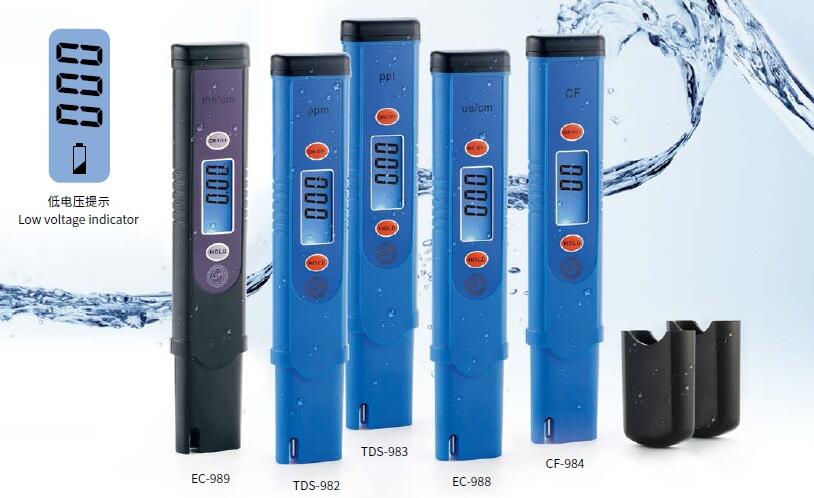
Water Treatment and Quality Control Applications
Municipal Water Treatment Systems
Municipal water treatment facilities rely heavily on conductivity meter technology to ensure safe drinking water delivery to communities. These instruments monitor the effectiveness of filtration processes, detect contamination events, and verify that treated water meets established quality standards. Operators use conductivity measurements to determine when membrane systems require cleaning or replacement, optimizing maintenance schedules and reducing operational costs.
The continuous monitoring capability of a conductivity meter allows treatment plants to respond quickly to changes in raw water quality. Seasonal variations, upstream industrial discharges, and natural events can alter water conductivity levels, requiring immediate adjustments to treatment protocols. Real-time data from these instruments enables automated control systems to modify chemical dosing rates and filtration parameters without human intervention.
Industrial Water Purification
Manufacturing facilities across industries require ultra-pure water for various production processes, making conductivity monitoring absolutely critical. Semiconductor manufacturing, pharmaceutical production, and precision cleaning operations demand water with extremely low ionic content, measurable only through highly sensitive conductivity meters. These applications often require readings in the microsiemens or even lower ranges.
Reverse osmosis systems, deionization units, and distillation equipment all benefit from continuous conductivity monitoring. A conductivity meter positioned at strategic points throughout the purification train provides early warning of system degradation, preventing costly product contamination and production delays. This proactive monitoring approach significantly reduces maintenance costs and extends equipment lifespan.
Chemical Process Monitoring and Control
Chemical Concentration Management
Chemical processing industries utilize conductivity meters to monitor solution concentrations throughout production cycles. Many chemical reactions and separation processes depend on precise ionic strength control, making conductivity measurement an essential process variable. These instruments help operators maintain optimal reaction conditions, maximize yield rates, and ensure consistent product quality.
Electroplating operations exemplify the critical role of conductivity monitoring in chemical processes. Bath conductivity directly affects plating uniformity, deposit quality, and process efficiency. A conductivity meter enables real-time adjustments to electrolyte concentrations, preventing defective products and minimizing waste. Similarly, chemical cleaning processes rely on conductivity measurements to determine solution strength and effectiveness.
Corrosion Prevention and Control
Industrial cooling systems, boiler feedwater, and closed-loop heating circuits require careful conductivity management to prevent corrosion and scaling. High conductivity levels indicate elevated dissolved solids that can accelerate metal corrosion, while extremely low conductivity can promote galvanic corrosion in dissimilar metal systems. A conductivity meter provides the data needed to maintain optimal water chemistry.
Power generation facilities particularly benefit from precise conductivity monitoring in steam cycles. Boiler water conductivity must remain within tight specifications to prevent tube failures and maintain heat transfer efficiency. Steam purity monitoring through conductivity measurement ensures that contaminants do not reach turbine components, protecting expensive equipment from damage and performance degradation.
Food and Beverage Industry Applications
Product Quality and Consistency
Food and beverage manufacturers use conductivity meters to ensure product consistency and quality throughout production processes. Conductivity measurements can indicate salt content, mineral levels, and overall solution strength in various food products. Dairy processing, beverage production, and prepared food manufacturing all rely on these measurements for quality control purposes.
Brewing operations demonstrate the importance of conductivity monitoring in food production. Water conductivity affects enzyme activity, fermentation rates, and final product taste profiles. A conductivity meter helps brewers maintain consistent water quality, ensuring reproducible beer characteristics batch after batch. Similarly, soft drink manufacturers monitor conductivity to verify proper syrup dilution and flavor consistency.
Cleaning and Sanitization Verification
Clean-in-place systems throughout the food industry rely on conductivity monitoring to verify cleaning effectiveness and rinse completion. Cleaning solution conductivity indicates proper chemical concentration, while rinse water conductivity confirms that cleaning agents have been adequately removed. This monitoring approach ensures food safety while minimizing water and chemical consumption.
Sanitizer concentration monitoring represents another critical application for conductivity meters in food processing. Many sanitizing solutions exhibit predictable conductivity relationships with active ingredient concentrations. Continuous monitoring ensures that sanitizer levels remain within effective ranges while avoiding excessive chemical use that could affect product quality or create regulatory compliance issues.
Environmental Monitoring and Compliance
Wastewater Treatment and Discharge Monitoring
Environmental regulations require industrial facilities to monitor wastewater conductivity before discharge to municipal treatment systems or natural waterways. A conductivity meter provides continuous data needed for regulatory compliance reporting and helps identify process upsets that could result in permit violations. This monitoring capability protects both the environment and the facility from potential penalties.
Industrial wastewater treatment systems use conductivity monitoring to optimize biological treatment processes and chemical precipitation operations. Conductivity changes can indicate shock loads, toxic inputs, or process imbalances that require immediate attention. Early detection through continuous monitoring prevents treatment system failures and ensures consistent effluent quality.
Groundwater and Surface Water Protection
Manufacturing facilities with potential for groundwater contamination implement conductivity monitoring networks around their sites. These systems detect contaminant plumes early, allowing for rapid response and remediation actions. A conductivity meter positioned in monitoring wells provides cost-effective screening for ionic contamination that might indicate industrial impacts.
Stormwater management systems also benefit from conductivity monitoring, particularly at facilities handling chemicals or salt products. Elevated conductivity in stormwater runoff can indicate material handling issues or inadequate containment systems. Continuous monitoring enables automatic diversion of contaminated runoff to treatment systems, protecting receiving waters from pollution.
Implementation Considerations for Industrial Use
Instrument Selection and Specification
Selecting the appropriate conductivity meter for industrial applications requires careful consideration of measurement range, accuracy requirements, and environmental conditions. High-purity water applications demand instruments with ultra-low range capabilities and temperature compensation features. Harsh chemical environments require meters with corrosion-resistant sensors and robust enclosures rated for hazardous locations.
Temperature effects significantly influence conductivity measurements, making automatic temperature compensation essential for accurate readings. Industrial processes often involve elevated temperatures that would render manual temperature correction impractical. Modern conductivity meters incorporate sophisticated algorithms that account for temperature effects across wide operating ranges, ensuring measurement accuracy under varying conditions.
Installation and Maintenance Requirements
Proper installation of industrial conductivity meters requires attention to sensor positioning, flow conditions, and electrical interference sources. Sensors must be positioned where they receive representative samples without exposure to air bubbles or flow disturbances that could affect readings. Adequate grounding and signal cable routing prevent electrical interference from nearby equipment.
Regular calibration and maintenance ensure continued accuracy and reliability of conductivity meter installations. Industrial environments subject sensors to fouling from suspended solids, chemical attack, and biological growth. Preventive maintenance programs that include regular cleaning, calibration verification, and sensor replacement minimize measurement errors and extend instrument service life.
FAQ
What industries benefit most from conductivity meter implementation?
Water treatment facilities, chemical processing plants, power generation stations, food and beverage manufacturers, pharmaceutical companies, and semiconductor fabrication facilities derive the greatest benefits from conductivity meter implementation. These industries require precise control over solution concentrations, water purity, and chemical processes where conductivity measurement provides critical process feedback and quality assurance data.
How accurate are industrial conductivity meters compared to laboratory instruments?
Modern industrial conductivity meters can achieve accuracy levels comparable to laboratory instruments, typically within 1-2% of reading when properly calibrated and maintained. The key differences lie in ruggedness, continuous operation capability, and integration with process control systems rather than fundamental measurement accuracy. High-quality industrial meters often exceed laboratory instrument performance in real-world applications due to their stability and reliability.
What maintenance requirements should be expected for industrial conductivity meters?
Industrial conductivity meters require routine calibration checks every 1-3 months depending on application criticality, sensor cleaning as needed based on fouling conditions, and periodic sensor replacement typically every 1-3 years. Preventive maintenance should include verification of temperature compensation accuracy, inspection of cable connections, and documentation of calibration drift patterns to optimize maintenance intervals and ensure measurement reliability.
Can conductivity meters operate reliably in harsh industrial environments?
Yes, properly specified industrial conductivity meters are designed to operate reliably in harsh environments including extreme temperatures, corrosive atmospheres, high vibration conditions, and electrically noisy installations. Key factors for reliable operation include selecting instruments with appropriate ingress protection ratings, chemical-resistant materials, and robust signal processing electronics designed for industrial applications rather than laboratory use.
Table of Contents
- Water Treatment and Quality Control Applications
- Chemical Process Monitoring and Control
- Food and Beverage Industry Applications
- Environmental Monitoring and Compliance
- Implementation Considerations for Industrial Use
-
FAQ
- What industries benefit most from conductivity meter implementation?
- How accurate are industrial conductivity meters compared to laboratory instruments?
- What maintenance requirements should be expected for industrial conductivity meters?
- Can conductivity meters operate reliably in harsh industrial environments?