 EN
EN

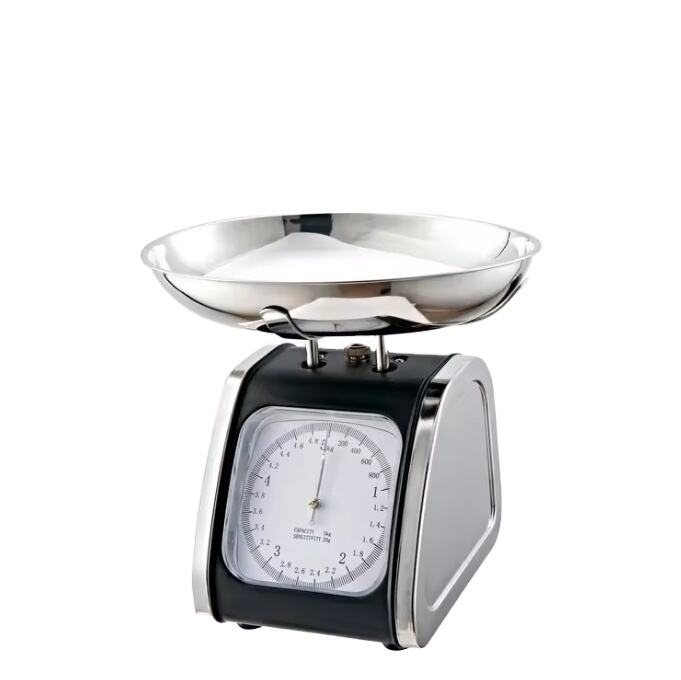
Modern cooking demands precision, and nowhere is this more evident than in the growing popularity of digital kitchen scales among home chefs and professional bakers alike. A food scale transforms the way we approach cooking by eliminating guesswork and ensuring consistent results every time. Whether you're following complex recipes, managing portion sizes, or pursuing culinary excellence, investing in a quality food scale represents one of the most impactful upgrades you can make to your kitchen arsenal.
The culinary world has witnessed a remarkable shift toward precision cooking techniques, with professional chefs and home enthusiasts recognizing the superior accuracy that weighing ingredients provides over traditional volume measurements. This transformation reflects our growing understanding of how precise measurements directly impact cooking outcomes, from the texture of baked goods to the balance of flavors in savory dishes.
The Science Behind Precision Cooking
Understanding Measurement Accuracy
Traditional measuring cups and spoons introduce significant variables that can dramatically affect recipe outcomes. Flour, for example, can vary by up to 30 percent in weight depending on how it's scooped, packed, or sifted. A food scale eliminates these inconsistencies by providing gram-level precision that ensures identical results regardless of technique or environmental factors.
Professional bakers have long understood that weight-based measurements produce superior consistency compared to volume measurements. When you measure flour by weight rather than volume, you eliminate variables such as settling, humidity effects, and packing density that can significantly alter the final product's texture and structure.
Chemical Reactions and Ratios
Baking represents a series of precise chemical reactions where ingredient ratios determine success or failure. Leavening agents, fats, and proteins must interact in specific proportions to create desired textures and flavors. Even small deviations from intended ratios can result in dense cakes, tough bread, or failed rises that waste time and ingredients.
The precision offered by digital scales becomes particularly crucial when scaling recipes up or down. Converting a recipe that serves four to serve twelve requires mathematical accuracy that volume measurements simply cannot provide consistently. Weight-based calculations ensure that flavor balance and texture remain constant regardless of batch size.
Professional Kitchen Standards
Industry Best Practices
Commercial kitchens universally rely on scales for inventory management, portion control, and recipe standardization. Restaurant chains maintain consistency across locations by implementing strict weight-based protocols that ensure every dish meets brand standards. This professional approach to measurement has gradually influenced home cooking enthusiasts who seek restaurant-quality results.
Culinary schools teach aspiring chefs to think in terms of weight rather than volume from their earliest training. This fundamental shift in approach allows students to develop an intuitive understanding of ingredient ratios and how modifications affect final outcomes. The precision habits formed during professional training translate directly to improved home cooking performance.
Cost Management and Waste Reduction
Accurate portioning through scale use significantly reduces food waste while controlling costs. When restaurants can precisely measure protein portions, sauce quantities, and ingredient allocations, they achieve better profit margins while maintaining quality standards. Home cooks benefit similarly by reducing overuse of expensive ingredients and minimizing failed recipes.
The economic impact extends beyond immediate ingredient savings to include energy costs and time investment. Failed baking attempts due to imprecise measurements waste both ingredients and the energy required for mixing, baking, and cleanup. A reliable food scale prevents these costly mistakes while building confidence in recipe execution.
Essential Features for Home Use
Capacity and Precision Balance
Modern kitchen scales offer various capacity ranges to accommodate different cooking styles and family sizes. Most home cooks benefit from scales that handle between 5 to 11 pounds with gram-level precision for smaller quantities. This range covers everything from delicate spice measurements to large batch preparation while maintaining accuracy across the entire spectrum.
The relationship between maximum capacity and precision varies among different scale designs. Higher-end models maintain consistent accuracy whether measuring 2 grams of yeast or 2 kilograms of flour. This reliability proves essential when following recipes that require both macro and micro measurements within the same preparation process.
Display and User Interface
Clear, backlit displays enhance usability in various lighting conditions, while multiple unit options provide flexibility for international recipes and personal preferences. The ability to switch between grams, ounces, and pounds without losing tare settings streamlines complex recipes that combine imperial and metric measurements.
Advanced models incorporate features such as automatic shutoff, low battery indicators, and overload protection that extend device lifespan while preventing measurement errors. These seemingly minor features significantly impact daily usability and long-term satisfaction with your scale investment.
Applications Beyond Basic Cooking
Specialized Dietary Requirements
Individuals managing diabetes, following ketogenic diets, or tracking macronutrient intake rely heavily on precise food measurements. A food scale becomes an essential health management tool that enables accurate calorie counting and carbohydrate monitoring. This precision supports better health outcomes through consistent portion control and nutritional awareness.
Athletes and fitness enthusiasts use scales to optimize performance through precise nutrition planning. Protein requirements, carbohydrate timing, and caloric intake calculations all depend on accurate measurements that volume-based methods cannot provide reliably. The scale transforms nutrition from guesswork into scientific precision.
Advanced Culinary Techniques
Molecular gastronomy and modernist cooking techniques require pharmaceutical-level precision that only scales can provide. Hydrocolloid ratios, emulsification agents, and gelification compounds must be measured to the decimal gram to achieve intended effects. Home practitioners of these advanced techniques depend entirely on scale accuracy.
Fermentation projects such as sourdough bread, kimchi, or charcuterie require precise salt ratios for food safety and flavor development. Traditional volume measurements lack the accuracy needed for these applications where incorrect ratios can result in spoilage or safety concerns rather than simple recipe failure.
Economic Benefits and Value
Long-term Investment Analysis
Quality kitchen scales represent exceptional value propositions when evaluated against their lifespan and impact on cooking success rates. A well-constructed digital scale typically provides 5-10 years of reliable service while preventing countless recipe failures and ingredient waste. The cumulative savings from reduced waste and improved success rates often exceed the initial purchase cost within the first year.
Professional-grade accuracy at consumer prices makes modern scales accessible investments for serious home cooks. The technology that once required expensive laboratory equipment now fits comfortably on kitchen counters while delivering comparable precision for culinary applications.
Time Efficiency Gains
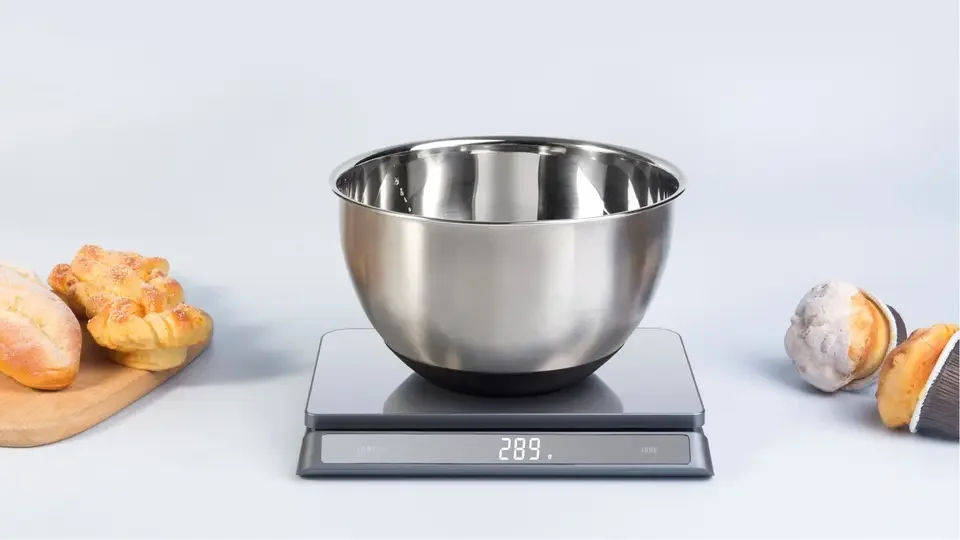
Weighing ingredients directly into mixing bowls eliminates multiple measuring cups and reduces cleanup time significantly. The tare function allows sequential ingredient addition without removing the bowl from the scale, streamlining preparation workflows and reducing kitchen clutter during active cooking periods.
Recipe scaling calculations become instantaneous when working with weight measurements rather than volume conversions. Doubling a recipe requires simple multiplication rather than complex cup-to-cup conversions that often introduce errors and confusion during busy preparation periods.
Selection and Maintenance Guidelines
Choosing the Right Model
Evaluate your cooking patterns and family size to determine appropriate capacity requirements. Occasional bakers may find 5-pound capacity sufficient, while frequent entertainers or large families benefit from 10-pound or higher capacities. Consider future cooking ambitions when making capacity decisions to avoid outgrowing your scale quickly.
Platform size affects both stability and versatility when accommodating different bowl sizes and ingredient quantities. Larger platforms provide better stability for oversized mixing bowls while maintaining accuracy for smaller measurements. Balance platform size against available counter space and storage requirements.
Care and Calibration
Regular calibration maintains accuracy over time and ensures reliable measurements for critical applications. Most scales include calibration instructions and required weights, though some models feature automatic calibration functions that simplify maintenance procedures. Monthly calibration checks prevent gradual accuracy drift that can affect recipe outcomes.
Proper cleaning and storage extend scale lifespan while maintaining hygiene standards. Avoid water exposure to electronic components while ensuring food contact surfaces remain sanitary. Store scales in stable environments away from extreme temperatures and humidity that can affect sensor accuracy.
FAQ
What capacity food scale works best for home kitchens
Most home cooks find 5 to 11-pound capacity scales ideal for everyday use. This range accommodates everything from precise spice measurements to large batch cooking while maintaining gram-level accuracy. Consider your typical recipe sizes and cooking frequency when selecting capacity to ensure the scale meets both current and future needs.
How accurate should a kitchen scale be for baking
Baking applications require scales accurate to at least 1-gram increments for reliable results. Professional bakers prefer 0.1-gram precision for specialty ingredients, but home bakers achieve excellent results with standard 1-gram accuracy. The key lies in consistent precision rather than extreme accuracy for most home applications.
Can digital scales replace all measuring cups and spoons
Digital scales can replace volume measurements for most dry and liquid ingredients, providing superior accuracy and consistency. However, some recipes specifically call for volume measurements, and certain techniques benefit from traditional tools. A comprehensive kitchen benefits from both weighing and volume measurement capabilities.
How do I maintain calibration accuracy over time
Perform monthly calibration checks using certified weights or household items with known weights like coins or canned goods. Store your scale in stable environmental conditions away from vibrations, extreme temperatures, and humidity. Clean the platform regularly without exposing electronic components to moisture, and replace batteries before they run completely down to maintain consistent performance.