 EN
EN

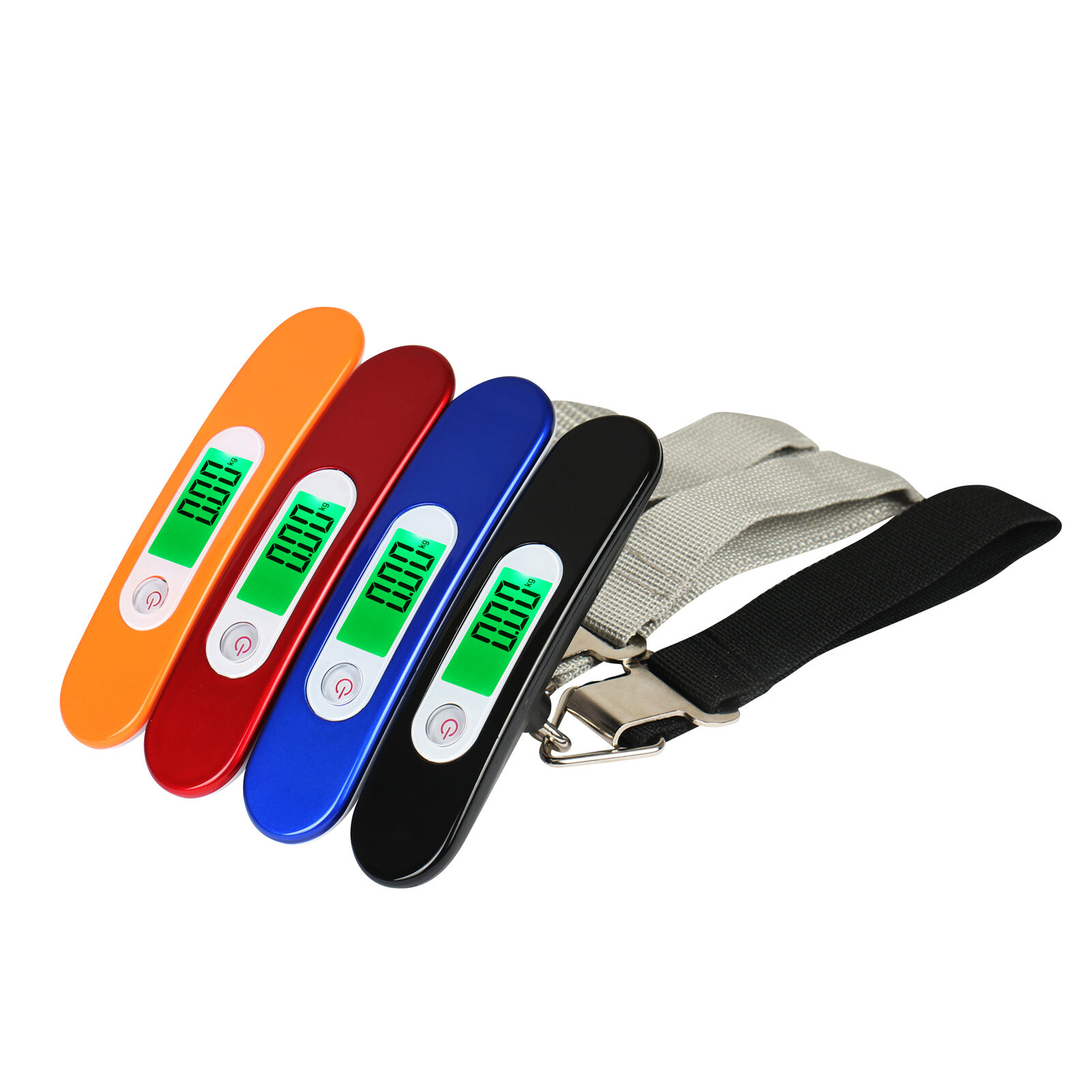
Modern travel demands precision and preparation, especially when it comes to managing baggage weight restrictions imposed by airlines worldwide. The financial consequences of exceeding weight limits can be substantial, with excess baggage fees ranging from fifty to several hundred dollars depending on the airline and destination. A portable luggage scale emerges as an indispensable tool that empowers travelers to take control of their packing process and avoid unexpected costs at the airport.
The evolution of travel accessories has brought forth sophisticated weighing solutions that combine accuracy with portability. These compact devices have revolutionized how frequent travelers approach packing, transforming what was once a guessing game into a precise science. Understanding the multifaceted benefits of owning a quality weighing device can significantly enhance your travel experience while protecting your budget from unforeseen expenses.
Understanding Weight Restrictions and Their Financial Impact
Global Airline Weight Policies
Airlines across the globe have implemented increasingly strict baggage weight policies as part of their operational efficiency strategies. Most major carriers enforce weight limits ranging from twenty to thirty-two kilograms for checked luggage, with carry-on restrictions typically falling between seven to ten kilograms. These limitations vary significantly between budget airlines and full-service carriers, making it essential for travelers to research specific requirements before departure.
Regional variations in weight allowances create additional complexity for international travelers. European carriers often maintain stricter policies compared to their American counterparts, while Asian airlines may offer more generous weight allowances for certain route categories. Understanding these nuances becomes crucial when planning multi-leg journeys that involve different airline partnerships or alliance members with varying baggage policies.
Cost Analysis of Excess Baggage Fees
The financial impact of exceeding weight limits extends far beyond simple inconvenience. Budget airlines commonly charge between fifteen to twenty-five dollars per kilogram of excess weight, while premium carriers may impose fees ranging from fifty to one hundred dollars for the first additional weight bracket. These charges compound quickly, with some travelers facing excess baggage fees that exceed their original ticket price.
Airport weighing stations often provide inaccurate readings due to calibration issues or environmental factors, leading to disputes and additional stress during check-in procedures. Having a reliable personal weighing device eliminates uncertainty and allows travelers to make informed decisions about their packing choices well before arriving at the terminal.
Key Features of Modern Portable Weighing Devices
Precision and Accuracy Standards
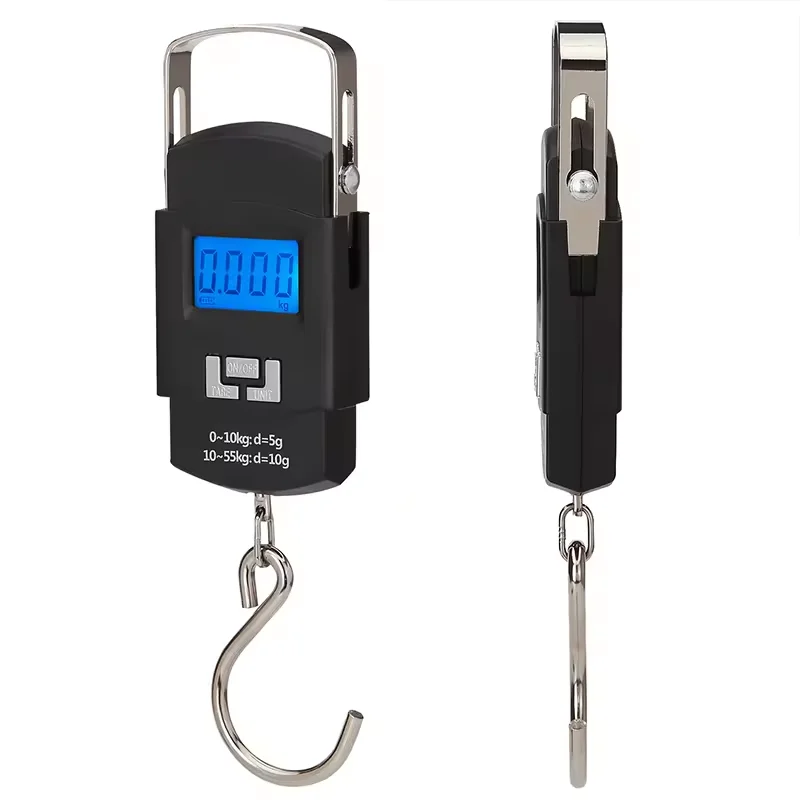
Contemporary portable weighing devices incorporate advanced sensor technology that delivers accuracy levels comparable to professional airport scales. High-quality models typically maintain precision within fifty to one hundred grams, which falls well within acceptable margins for travel planning purposes. Digital displays provide clear weight readings in multiple units, including kilograms, pounds, and stones, accommodating travelers from different regions and measurement preferences.
Temperature compensation features ensure consistent readings across various environmental conditions, from frigid airport terminals to humid tropical destinations. Some advanced models include calibration functions that allow users to verify accuracy periodically, maintaining reliability throughout extended travel periods and frequent usage scenarios.
Design and Portability Considerations
Modern luggage scale designs prioritize compactness without sacrificing functionality, with most quality models weighing less than five hundred grams and occupying minimal space in carry-on luggage. Ergonomic handles and secure attachment mechanisms ensure comfortable operation while preventing accidental drops that could damage the device or injure the user during weighing procedures.
Battery life optimization has become a critical design consideration, with many current models offering extended operational periods through efficient power management systems. Some innovative designs incorporate kinetic charging capabilities or solar panels, reducing dependency on replaceable batteries and enhancing sustainability for environmentally conscious travelers.
Practical Applications Beyond Travel
Home and Office Utility
The versatility of portable weighing devices extends well beyond travel applications, making them valuable additions to home and office environments. Small business owners frequently utilize these tools for shipping packages, ensuring accurate postage calculations and avoiding costly shipping overages. The compact design makes them ideal for shared workspaces where permanent scales would be impractical or space-prohibitive.
Household applications include weighing parcels for online sales, measuring ingredients for large-batch cooking, or monitoring the weight of seasonal decorations during storage preparation. The portability factor allows users to weigh items in various locations without the constraints associated with traditional fixed scales.
Professional and Commercial Uses
Business travelers and sales professionals often carry valuable equipment or product samples that require precise weight management for customs declarations and shipping arrangements. A reliable luggage scale becomes an essential business tool that helps maintain compliance with international shipping regulations while optimizing transportation costs.
Trade show participants and exhibition professionals regularly transport display materials and promotional items across multiple venues, where weight restrictions vary significantly. Having immediate access to accurate weight measurements enables better planning and cost management throughout extended business travel itineraries.
Technology Integration and Smart Features
Digital Connectivity Options
Advanced portable weighing devices increasingly incorporate smartphone connectivity through Bluetooth technology, allowing users to track weight measurements over time and maintain digital records of their packing decisions. Mobile applications can store historical data, provide packing suggestions based on destination requirements, and send reminders about weight restrictions for upcoming trips.
Cloud-based data synchronization enables seamless access to weight information across multiple devices, making it easier for travelers to coordinate packing decisions with family members or business colleagues. Some applications integrate with airline booking systems to provide real-time updates about baggage policy changes or route-specific weight allowances.
Enhanced Display and User Interface
Modern displays incorporate backlight technology and high-contrast screens that remain visible in various lighting conditions, from dimly lit hotel rooms to bright outdoor environments. Auto-hold functions freeze weight readings for easy recording, while tare capabilities allow users to subtract container weights for accurate net measurements.
Voice announcement features benefit users with visual impairments or those operating in low-light conditions, while multiple language options accommodate international travelers who prefer native language interfaces. These accessibility features demonstrate the inclusive design philosophy adopted by leading manufacturers in this market segment.
Selection Criteria for Optimal Performance
Build Quality and Durability Assessment
Selecting a high-performance weighing device requires careful evaluation of construction materials and manufacturing standards. Stainless steel components resist corrosion and maintain accuracy over extended periods, while reinforced plastic housings provide impact resistance during travel conditions. Quality control certifications from recognized testing organizations indicate compliance with international accuracy and safety standards.
Warranty coverage and manufacturer support services reflect confidence in product reliability and provide protection against premature failures. Extended warranty options may justify slightly higher initial investments, particularly for frequent travelers who depend on consistent device performance throughout multiple trips annually.
Capacity and Range Specifications
Maximum weight capacity should exceed typical luggage requirements by a comfortable margin, with most quality devices supporting loads between forty to fifty kilograms. Higher capacity models accommodate specialty travelers carrying equipment or extended-stay luggage that approaches or exceeds standard airline limits.
Minimum detectable weight specifications become important when weighing small items or calculating precise weight distributions among multiple pieces of luggage. Devices with lower minimum thresholds provide greater versatility for various weighing applications beyond primary luggage management.
Maintenance and Longevity Considerations
Proper Care and Storage Techniques
Maintaining optimal performance from portable weighing devices requires attention to storage conditions and handling procedures. Extreme temperatures can affect sensor accuracy and battery performance, making protective cases essential for travelers visiting diverse climate zones. Regular cleaning with appropriate materials prevents buildup of debris that could interfere with mechanical components or display visibility.
Calibration verification should occur periodically using known reference weights to ensure continued accuracy throughout the device lifespan. Many manufacturers provide calibration weights or recommend specific household items with known weights for verification purposes.
Battery Management and Power Optimization
Battery selection and management strategies significantly impact device reliability and operational costs over time. Rechargeable battery systems reduce environmental impact and long-term operating expenses, while replaceable battery designs provide flexibility in remote locations where charging opportunities may be limited.
Power-saving modes and automatic shutoff features extend battery life between uses, while low-battery indicators prevent unexpected device failures during critical weighing operations. Understanding power consumption patterns helps travelers plan charging schedules and carry appropriate backup power solutions.
FAQ
How accurate are portable luggage scales compared to airport scales
High-quality portable luggage scales typically maintain accuracy within 50-100 grams, which is comparable to most airport scales. However, airport scales undergo regular professional calibration, while portable devices may drift over time without proper maintenance. For travel planning purposes, portable scales provide sufficient accuracy to avoid excess baggage fees, though slight variations between your device and airport scales should be expected.
Can luggage scales be used for other weighing applications
Portable luggage scales are versatile tools suitable for various weighing applications including packages, shipping boxes, fishing catches, and household items. Their compact design and hook attachment system make them ideal for weighing irregularly shaped objects that cannot easily fit on traditional platform scales. The weight capacity of most luggage scales accommodates common household and business weighing needs effectively.
What is the typical battery life of a portable luggage scale
Battery life varies significantly based on usage patterns and device specifications, with most quality models providing 6-12 months of typical travel use on a single set of batteries. Devices with LCD displays and basic functions consume less power than models with backlit screens and smart connectivity features. Auto-shutoff functions and power-saving modes help extend battery life between replacements or charging cycles.
Are digital luggage scales more reliable than analog versions
Digital luggage scales generally offer superior accuracy, easier reading, and additional features compared to analog models. Digital displays eliminate reading errors associated with analog dial interpretation, while electronic sensors provide more consistent measurements across different environmental conditions. However, analog scales may be more durable in extreme conditions and do not require batteries, making them suitable for extended outdoor adventures or emergency situations.