 EN
EN

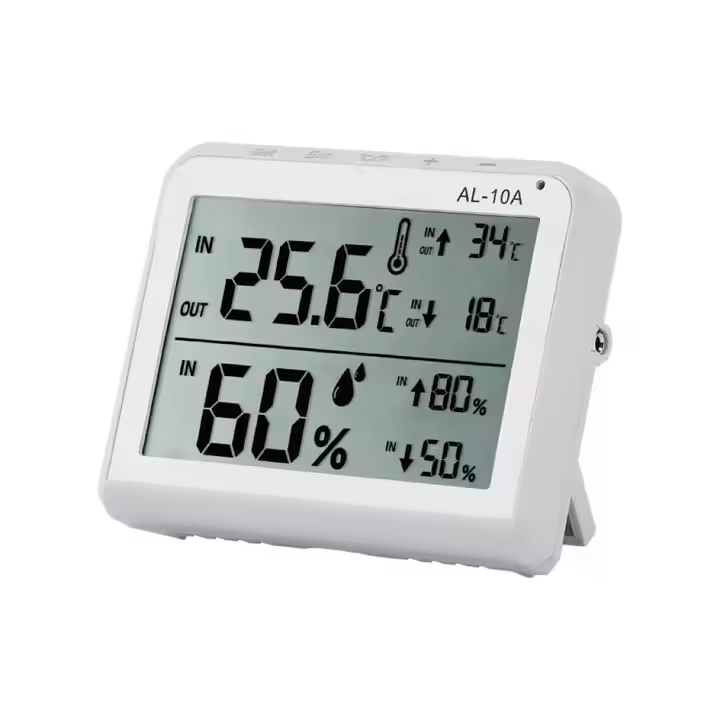
Digital thermometers have revolutionized how we monitor temperature in our homes, offices, and outdoor environments. These sophisticated devices offer precision and convenience that traditional analog models simply cannot match. When considering accuracy for daily use, digital thermometers consistently outperform their mechanical counterparts through advanced sensor technology and precise calibration systems. The reliability of modern digital temperature measurement has made these devices essential tools for maintaining comfortable living conditions and monitoring environmental changes.
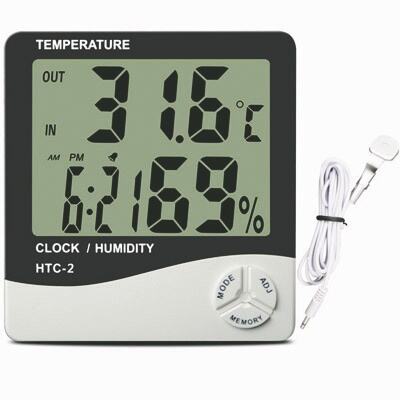
Understanding Digital Temperature Measurement Technology
Advanced Sensor Components
Digital thermometers utilize sophisticated electronic sensors that convert temperature variations into electrical signals with remarkable precision. These sensors, typically thermistors or thermocouple elements, respond instantly to temperature changes and provide consistent readings across multiple measurement cycles. Unlike traditional mercury or alcohol-based thermometers, digital sensors maintain their accuracy without degradation from environmental factors or physical wear over extended periods of use.
The electronic components within modern digital thermometers are manufactured using precise calibration standards that ensure accuracy within narrow tolerance ranges. Many professional-grade models undergo rigorous testing procedures during production to verify their measurement precision meets international standards. This manufacturing attention to detail translates into reliable performance for everyday temperature monitoring applications.
Calibration and Accuracy Standards
Digital thermometers maintain their accuracy through built-in calibration systems that automatically adjust for environmental conditions and sensor drift. Advanced models incorporate multiple reference points and self-diagnostic functions that continuously verify measurement precision. This automated calibration capability ensures consistent accuracy without requiring manual adjustments or professional recalibration services.
Professional-grade digital temperature measurement devices often feature traceable calibration certificates that document their accuracy specifications. These certifications provide confidence in measurement reliability and demonstrate compliance with industry standards for temperature monitoring applications.
Comparative Analysis of Digital Versus Analog Accuracy
Precision and Resolution Differences
Digital thermometers typically offer superior precision compared to analog alternatives, with many models providing temperature readings accurate to within 0.1 degrees Celsius or Fahrenheit. This level of precision far exceeds what most analog thermometers can achieve, particularly in challenging environmental conditions or temperature extremes. The high-resolution displays on digital units eliminate reading errors associated with interpreting analog scale markings.
The measurement resolution of digital devices allows users to detect subtle temperature variations that might go unnoticed with analog instruments. This enhanced sensitivity proves valuable for applications requiring precise environmental monitoring, such as maintaining optimal indoor comfort levels or tracking outdoor weather patterns.
Environmental Impact on Measurement Reliability
Digital thermometers demonstrate superior stability across varying environmental conditions compared to traditional analog models. Electronic sensors maintain consistent performance regardless of humidity levels, air pressure changes, or vibration that might affect mechanical thermometer accuracy. This environmental resilience makes digital units particularly suitable for outdoor monitoring applications or locations subject to variable conditions.
Temperature measurement consistency remains stable in digital devices even when exposed to rapid environmental changes. The electronic compensation systems in quality digital thermometers automatically adjust for external factors that could influence reading accuracy, ensuring reliable performance across diverse operating conditions.
Practical Applications for Daily Temperature Monitoring
Indoor Climate Control
Modern households rely on accurate temperature measurement for optimal climate control and energy efficiency. Digital thermometers provide the precision necessary for maintaining consistent indoor temperatures while minimizing energy consumption through precise HVAC system control. The real-time temperature feedback from digital devices enables homeowners to make informed decisions about heating and cooling system operation.
Smart home integration capabilities in advanced digital thermometers allow seamless connection with automated climate control systems. This connectivity enables sophisticated temperature management strategies that optimize comfort while reducing energy costs through precise environmental monitoring and control.
Outdoor Weather Monitoring
Accurate outdoor temperature measurement supports informed daily planning decisions regarding clothing choices, activity scheduling, and safety considerations. Digital thermometers with wireless connectivity provide convenient remote monitoring capabilities that eliminate the need for manual readings while ensuring continuous environmental awareness.
Professional weather enthusiasts and gardening applications benefit significantly from the precision offered by digital temperature measurement systems. The detailed temperature data collected by these devices supports informed decisions about plant care, agricultural activities, and outdoor event planning based on accurate environmental conditions.
Selection Criteria for Optimal Digital Thermometer Performance
Feature Considerations for Daily Use
Selecting an appropriate digital thermometer requires careful consideration of specific features that enhance daily usability and measurement accuracy. Display clarity, battery life, wireless connectivity, and measurement range all contribute to the overall effectiveness of digital temperature monitoring systems. Premium models often include additional features such as humidity measurement, historical data storage, and smartphone connectivity.
Build quality and environmental ratings ensure long-term reliability in various operating conditions. Weather-resistant construction protects outdoor sensors from moisture and temperature extremes, while indoor models benefit from durable housing that withstands regular handling and cleaning.
Installation and Maintenance Requirements
Proper installation significantly impacts the accuracy and longevity of digital thermometer systems. Sensor placement considerations include protection from direct sunlight, adequate ventilation, and appropriate mounting height for representative temperature measurement. Following manufacturer guidelines for installation ensures optimal performance and measurement reliability.
Regular maintenance practices for digital thermometers typically involve battery replacement, sensor cleaning, and periodic accuracy verification. These simple maintenance procedures help maintain measurement precision and extend device operational life while ensuring consistent performance for daily temperature monitoring applications.
Frequently Asked Questions
How often should digital thermometers be calibrated for accuracy?
Most quality digital thermometers maintain their accuracy for several years without requiring professional calibration. However, annual verification against a known accurate reference thermometer helps ensure continued precision. Professional-grade instruments may require formal calibration every 1-2 years depending on usage frequency and environmental conditions.
Can digital thermometers provide accurate readings in extreme weather conditions?
High-quality digital thermometers are designed to operate accurately across wide temperature ranges, typically from -40°F to 150°F or beyond. However, extreme conditions may affect battery performance and display visibility rather than sensor accuracy. Weather-resistant models specifically designed for outdoor use perform reliably in harsh environmental conditions.
What factors can cause inaccurate readings in digital thermometers?
Common causes of inaccurate digital thermometer readings include low battery power, sensor contamination, improper installation location, and exposure to direct heat sources or drafts. Regular cleaning, appropriate placement away from heat sources, and timely battery replacement help maintain measurement accuracy.
Do digital thermometers require special care or storage procedures?
Digital thermometers benefit from storage in moderate temperature and humidity conditions when not in use. Removing batteries during long-term storage prevents corrosion damage, while protecting sensors from physical damage ensures continued accuracy. Most models are designed for minimal maintenance beyond basic cleaning and battery replacement.