 EN
EN

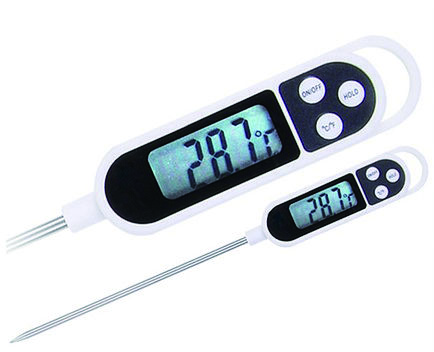
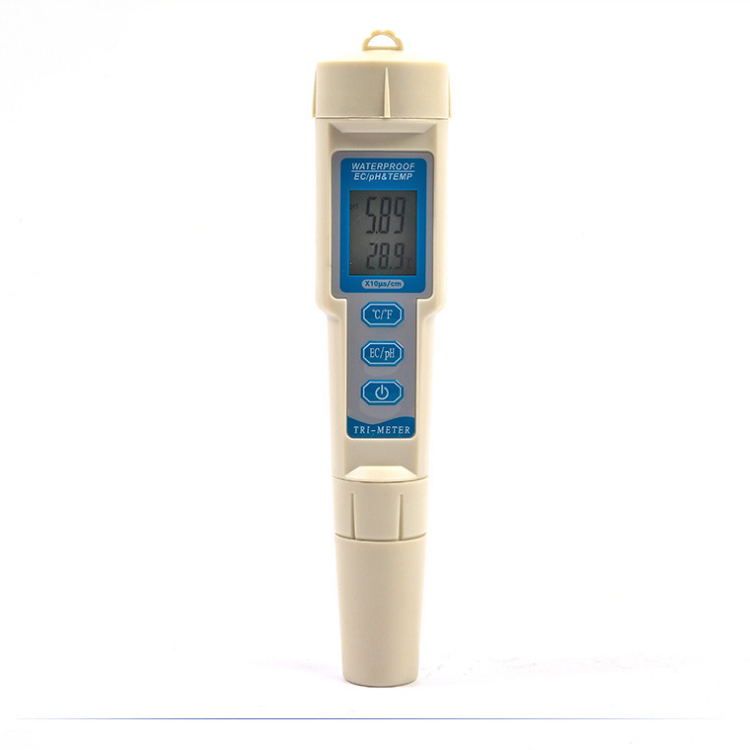
A TDS meter serves as a critical tool for monitoring the total dissolved solids in drinking water, providing essential data that helps determine water safety and quality. When water contains excessive dissolved minerals, salts, metals, or other contaminants, a TDS meter quantifies these substances to reveal potential health risks and guide appropriate water treatment decisions. Understanding how this simple yet effective device ensures safe drinking water requires examining its measurement principles, interpretation guidelines, and practical applications in various water quality scenarios.
The relationship between TDS measurements and drinking water safety extends beyond simple numerical readings, encompassing the identification of contamination sources, assessment of filtration system effectiveness, and establishment of baseline water quality standards. A TDS meter enables users to detect changes in water composition that might indicate bacterial contamination, chemical pollution, or equipment malfunction, making it an indispensable component of comprehensive water quality management strategies.
Scientific Principles Behind TDS Measurement
Electrical Conductivity Detection Method
A TDS meter operates by measuring the electrical conductivity of water, which directly correlates with the concentration of dissolved ionic substances present in the sample. When dissolved solids such as calcium, magnesium, sodium, chloride, and sulfate ions enter water, they create pathways for electrical current flow, increasing the water's overall conductivity. The TDS meter applies a small electrical current between two electrodes immersed in the water sample and measures the resistance encountered, converting this data into parts per million or milligrams per liter readings.
The accuracy of TDS meter readings depends on the device's calibration and the temperature compensation features that account for thermal variations affecting conductivity measurements. Professional-grade TDS meters incorporate automatic temperature compensation algorithms that adjust readings based on water temperature, ensuring consistent results across different environmental conditions. This temperature correction is essential because ionic mobility increases with temperature, potentially skewing conductivity readings if left uncompensated.
Advanced TDS meter models employ multiple electrode configurations and sophisticated circuitry to minimize interference from non-ionic dissolved substances that don't contribute to electrical conductivity. These devices can distinguish between conductive dissolved solids that affect electrical properties and non-conductive organic compounds that might be present but don't register on conductivity-based measurements, providing more accurate assessments of water mineral content.
Conversion Algorithms and Measurement Standards
The conversion from electrical conductivity measurements to TDS values relies on established algorithms that account for the typical ionic composition of natural water sources. Most TDS meter manufacturers use a standard conversion factor of 0.5 to 0.7, meaning that the conductivity reading in microsiemens per centimeter is multiplied by this factor to obtain the TDS value in parts per million. This conversion factor assumes a balanced mix of common dissolved minerals typically found in groundwater and surface water sources.
However, the accuracy of this conversion can vary depending on the specific ionic composition of the water being tested, as different dissolved substances contribute differently to electrical conductivity. For instance, sodium chloride solutions produce higher conductivity per unit mass compared to calcium carbonate solutions, meaning that a TDS meter calibrated for one type of dissolved solid may provide slightly different readings for water containing other mineral compositions.
Professional water testing protocols often require cross-referencing TDS meter readings with gravimetric analysis results to establish site-specific conversion factors that account for local water chemistry variations. This calibration process ensures that TDS measurements accurately reflect the actual dissolved solid content in specific geographic regions or water treatment system outputs.
Interpreting TDS Readings for Water Safety Assessment
Established Safety Thresholds and Guidelines
The World Health Organization and various national health agencies have established TDS guidelines that help determine drinking water safety based on measured dissolved solid concentrations. Water with TDS levels below 300 parts per million is generally considered excellent for drinking purposes, while levels between 300 and 600 ppm are acceptable for most consumers. TDS readings between 600 and 900 ppm may indicate elevated mineral content that could affect taste and long-term health, requiring further analysis to identify specific contaminants.
When TDS meter readings exceed 1000 ppm, the water typically requires treatment before consumption, as such high dissolved solid concentrations often indicate contamination from industrial sources, agricultural runoff, or natural mineral deposits that may contain harmful substances. However, it's important to note that high TDS levels don't automatically indicate dangerous contamination, as some naturally occurring minerals can elevate readings without posing immediate health risks.
The interpretation of TDS meter readings must consider the source water characteristics and potential contamination pathways specific to each location. Coastal areas may show elevated TDS levels due to saltwater intrusion, while agricultural regions might display high readings from fertilizer runoff, and industrial areas could have elevated levels from manufacturing discharge or improper waste disposal practices.
Identifying Contamination Patterns Through TDS Monitoring
Regular TDS meter monitoring creates baseline data that reveals contamination patterns and water quality trends over time, enabling early detection of potential safety issues before they become severe health hazards. Sudden increases in TDS readings often indicate new contamination sources, equipment failures, or changes in the water supply system that require immediate investigation and remediation efforts.
Seasonal variations in TDS measurements help distinguish between natural fluctuations caused by weather patterns and artificial contamination events that require intervention. Spring runoff typically increases dissolved solid levels due to increased surface water mixing, while drought conditions may concentrate existing dissolved solids, causing TDS readings to rise without indicating new contamination sources.
Comparing TDS meter readings from multiple sampling points within a water distribution system helps identify specific contamination sources and assess the effectiveness of treatment processes. Upstream and downstream measurements can pinpoint where contamination enters the system, while before-and-after treatment readings evaluate filter performance and maintenance requirements for water purification equipment.
Practical Applications in Water Treatment Systems
Filtration System Monitoring and Maintenance
A TDS meter serves as an essential diagnostic tool for evaluating the performance of various water treatment systems, including reverse osmosis units, ion exchange filters, and distillation equipment. By measuring TDS levels before and after filtration processes, users can determine removal efficiency percentages and identify when filter elements require replacement or system maintenance.
Reverse osmosis systems typically reduce TDS levels by 95-99% when functioning properly, so a TDS meter can quickly reveal membrane degradation or system bypass issues that compromise water quality. When post-filtration TDS readings begin climbing despite consistent input water quality, this indicates membrane fouling, seal failures, or pressure regulation problems that require professional attention.
Regular TDS meter monitoring of water treatment systems helps establish predictive maintenance schedules that prevent equipment failures and ensure consistent water quality output. By tracking TDS removal rates over time, facility managers can anticipate when consumable components will require replacement and budget accordingly for ongoing operational expenses.
Quality Control in Water Production Facilities
Commercial water production facilities rely on TDS meter measurements to maintain consistent product quality and comply with regulatory standards for bottled water, food processing, and pharmaceutical applications. These facilities typically implement multi-point TDS monitoring systems that continuously track dissolved solid levels throughout the production process, from raw water intake through final packaging stages.
TDS meter data integration with automated control systems enables real-time adjustments to treatment processes, ensuring that finished water products meet specifications without manual intervention. When TDS readings drift outside acceptable ranges, automated systems can adjust chemical dosing rates, modify filtration flow rates, or trigger alerts for operator attention before product quality issues develop.
Documentation of TDS meter readings provides essential quality assurance records that demonstrate regulatory compliance and support product liability protection for water production facilities. These measurement logs help investigate customer complaints, identify process improvements, and maintain certifications required for commercial water distribution.
Limitations and Complementary Testing Approaches
Understanding TDS Meter Measurement Boundaries
While TDS meters provide valuable information about dissolved solid concentrations, they cannot identify specific contaminants or distinguish between beneficial minerals and harmful substances present in drinking water. A high TDS reading might indicate dangerous heavy metal contamination or simply elevated levels of harmless minerals like calcium and magnesium, requiring additional testing methods to determine actual water safety.
TDS meters are also unable to detect biological contamination such as bacteria, viruses, or parasites that pose significant health risks but don't contribute meaningfully to electrical conductivity measurements. Similarly, these devices cannot identify volatile organic compounds, pesticides, or other non-ionic chemical contaminants that may be present in harmful concentrations despite producing normal TDS readings.
The accuracy of TDS meter measurements can be affected by extreme pH conditions, temperature variations, and the presence of certain dissolved gases that alter electrical conductivity properties without representing actual dissolved solid content. Users must understand these limitations and employ complementary testing methods when comprehensive water quality assessment is required.
Integrated Water Quality Testing Protocols
Comprehensive water safety assessment requires combining TDS meter measurements with additional testing parameters including pH levels, chlorine residuals, bacterial counts, and specific contaminant analysis based on potential contamination sources. This multi-parameter approach provides a complete picture of water quality that enables informed decisions about treatment requirements and safety measures.
Professional water testing laboratories use TDS meter readings as preliminary screening tools that guide more detailed analytical procedures, helping prioritize which specific contaminants to test for based on initial dissolved solid measurements and known regional contamination patterns. This targeted approach reduces testing costs while ensuring that significant water quality issues are identified and addressed.
Home users can implement simplified integrated testing protocols by combining TDS meter measurements with test strips for chlorine, pH, hardness, and common contaminants like nitrates or iron. This approach provides sufficient information for most residential water quality decisions while remaining cost-effective and user-friendly for regular monitoring applications.
FAQ
What TDS level indicates that drinking water is unsafe?
TDS levels above 1000 ppm generally indicate that water requires treatment before drinking, though the safety threshold depends on the specific dissolved substances present. Water with TDS readings below 300 ppm is considered excellent, while levels between 300-600 ppm are acceptable for most people. However, TDS alone doesn't determine safety, as harmful contaminants like bacteria or heavy metals might be present even at low TDS levels.
How often should I test my drinking water with a TDS meter?
For municipal water supplies, monthly TDS testing is usually sufficient to detect changes in water quality, while private wells should be tested weekly or after significant weather events that might affect groundwater. If you use water treatment systems like reverse osmosis or filtration units, test before and after treatment monthly to monitor system performance and determine when maintenance is needed.
Can a TDS meter detect all types of water contamination?
No, TDS meters only measure dissolved ionic substances that conduct electricity and cannot detect bacteria, viruses, non-ionic chemicals, or gases that may be present in contaminated water. While TDS measurements provide valuable information about mineral content and some types of contamination, comprehensive water safety assessment requires additional testing methods including bacterial analysis and specific chemical testing based on potential contamination sources.
Why might my TDS meter show different readings from the same water source?
TDS meter readings can vary due to temperature differences, calibration drift, electrode contamination, or changes in the water source itself. Temperature affects electrical conductivity, so readings may differ if water temperature varies between measurements. Regular calibration with standard solutions, proper electrode cleaning, and temperature compensation features help ensure consistent measurements from the same water source.