 EN
EN

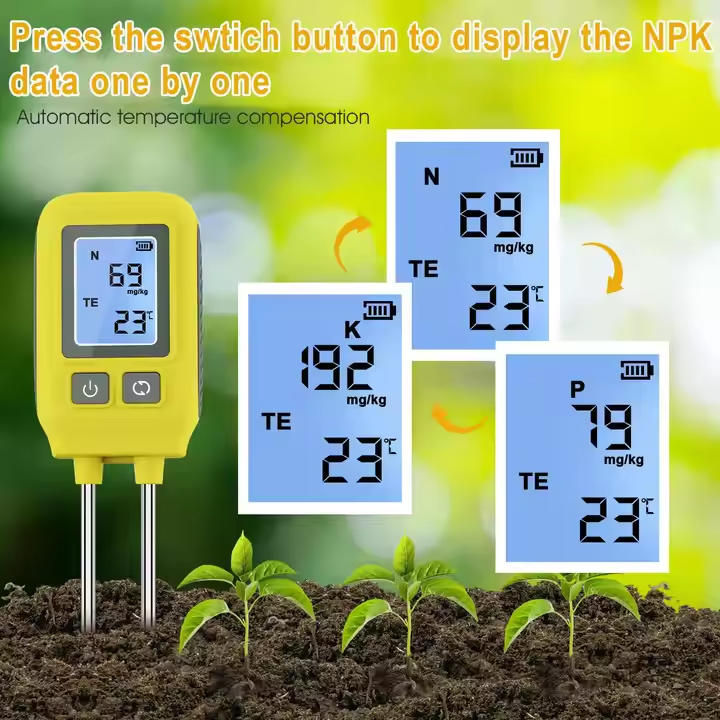
A soil meter serves as your garden's diagnostic tool, providing instant insights into the fundamental conditions that determine plant health and growth success. Understanding what a soil meter reveals about your garden's health empowers you to make informed decisions about fertilization, watering schedules, and plant selection. These sophisticated instruments measure critical parameters that directly influence root development, nutrient uptake, and overall plant vitality in ways that visual inspection alone cannot detect.
Modern soil meters deliver precise measurements of soil pH levels, moisture content, and temperature variations that affect plant metabolism and root function. When you insert a soil meter into your garden bed, the readings immediately reveal whether your plants are experiencing stress from chemical imbalances, water deficiencies, or temperature fluctuations that compromise their ability to thrive. This real-time data transforms guesswork into science-based garden management strategies.
Essential Soil Parameters That Indicate Garden Health Status
pH Level Measurements and Plant Nutrient Accessibility
The pH readings from your soil meter reveal the acidity or alkalinity levels that control how effectively plants can absorb essential nutrients from the surrounding soil. When soil meter readings show pH values between 6.0 and 7.5, most garden plants can efficiently uptake nitrogen, phosphorus, potassium, and trace minerals necessary for healthy growth. Readings outside this optimal range indicate potential nutrient lockout conditions where plants struggle to access available fertilizers despite adequate soil fertility.
Acidic soil conditions, typically indicated by soil meter readings below 6.0, suggest that aluminum and manganese may reach toxic levels while calcium and magnesium become less available to plant roots. Conversely, alkaline readings above 7.5 on your soil meter signal that iron, zinc, and other micronutrients are becoming chemically bound and inaccessible, often resulting in yellowing leaves and stunted growth patterns that indicate declining garden health.
Regular soil meter monitoring allows you to detect pH drift before visible symptoms appear, enabling proactive soil amendments that maintain optimal growing conditions. This preventive approach protects your garden investment by ensuring plants can fully utilize applied fertilizers and organic matter throughout the growing season.
Moisture Content Analysis for Root Zone Health
Soil meter moisture readings provide precise data about water availability in the root zone, revealing whether plants are experiencing drought stress or waterlogged conditions that impair root function. Optimal moisture levels vary by plant species, but most garden plants thrive when soil meter readings indicate moisture content between 25-75% of field capacity, depending on soil texture and drainage characteristics.
Consistently low moisture readings on your soil meter indicate drought stress conditions that force plants to close stomata, reducing photosynthesis and overall productivity. Prolonged moisture deficits revealed through soil meter monitoring often precede visible wilting symptoms, giving you advance warning to adjust irrigation schedules before permanent plant damage occurs.
Excessively high moisture readings from your soil meter signal potential root rot conditions and oxygen depletion in the soil profile. These waterlogged conditions prevent roots from absorbing nutrients efficiently and create favorable environments for fungal pathogens that can devastate garden health over time.
Temperature Variations That Affect Root Development and Metabolism
Soil Temperature Impact on Seed Germination Success
Temperature measurements from your soil meter determine optimal timing for seed planting and transplanting activities that directly influence garden establishment success. Most vegetable seeds require soil temperatures between 60-85°F for reliable germination, with specific temperature ranges varying by crop species and variety characteristics.
When soil meter readings indicate temperatures below optimal ranges, seed germination becomes erratic and prolonged, often resulting in poor stand establishment and increased susceptibility to soil-borne diseases. Cold soil conditions revealed through soil meter monitoring also reduce nutrient uptake rates and slow root development, creating lasting impacts on plant vigor throughout the growing season.
Soil meter temperature data helps you identify microclimates within your garden where certain areas warm faster or retain heat longer than others. This information enables strategic placement of temperature-sensitive plants in locations where soil meter readings consistently indicate favorable growing conditions.
Root Zone Temperature Effects on Nutrient Uptake Efficiency
Soil meter temperature readings directly correlate with root metabolic activity and the plant's ability to absorb water and nutrients from the surrounding soil matrix. When soil temperatures measured by your soil meter fall below 50°F, root activity slows dramatically, reducing nutrient uptake even when adequate fertility levels exist.
Optimal soil temperatures indicated by soil meter readings between 65-75°F promote active root growth and efficient nutrient transport throughout the plant system. These temperature conditions enhance microbial activity in the rhizosphere, improving organic matter decomposition and nutrient cycling processes that benefit overall garden health.
Excessive soil temperatures above 85°F, as measured by your soil meter, can damage fine root hairs and reduce the plant's capacity to absorb water and nutrients effectively. High temperature stress revealed through soil meter monitoring often precedes heat damage symptoms and provides early warning for implementing cooling strategies.
Chemical Balance Indicators That Reveal Soil Fertility Status
Salinity Levels and Their Impact on Plant Water Relations
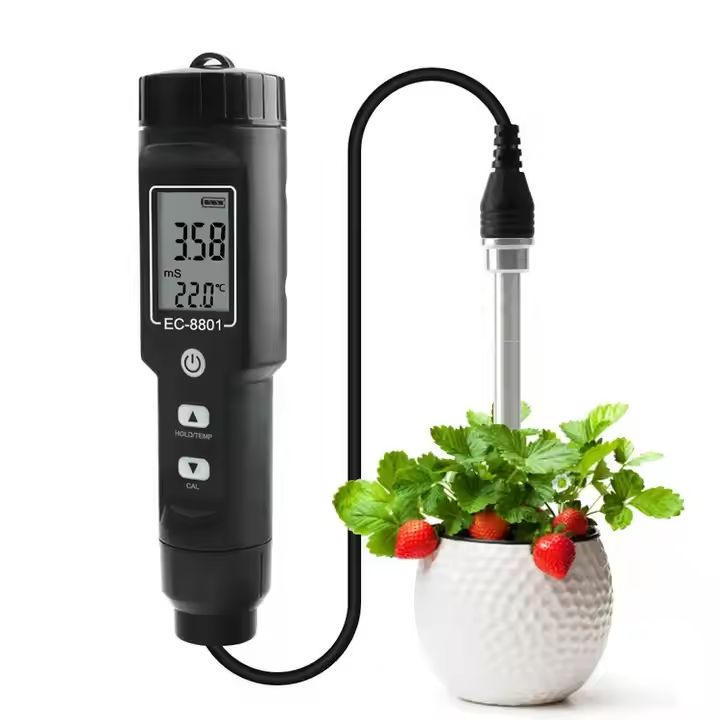
Advanced soil meter models measure electrical conductivity levels that indicate salt accumulation in the root zone, revealing conditions that can severely impact plant water uptake and overall garden health. High salinity readings on your soil meter suggest that dissolved salts are creating osmotic stress, making it difficult for plants to absorb water even when soil moisture levels appear adequate.
Salt buildup detected through soil meter measurements often results from over-fertilization, poor drainage, or irrigation with high-salt water sources. These conditions create a chemical imbalance that forces plants to expend extra energy to maintain proper water balance, reducing growth rates and increasing susceptibility to environmental stress factors.
Regular soil meter monitoring of conductivity levels helps you identify salt accumulation before it reaches levels that cause permanent plant damage. This early detection capability allows for corrective measures such as improved drainage, soil amendments, or modified irrigation practices that restore optimal growing conditions.
Organic Matter Content and Biological Activity Assessment
While basic soil meter models focus on pH, moisture, and temperature, the data they provide offers insights into organic matter levels and biological activity that support healthy soil ecosystems. Stable pH readings and consistent moisture retention indicated by your soil meter often correlate with adequate organic matter content that buffers chemical changes and supports beneficial microbial communities.
Soil meter readings that show rapid pH fluctuations or poor moisture retention may indicate depleted organic matter levels that compromise soil structure and biological activity. These conditions reduce the soil's capacity to store nutrients and water, making plants more dependent on frequent fertilization and irrigation inputs.
Long-term soil meter data collection reveals trends in soil health improvement or degradation, helping you evaluate the effectiveness of organic amendments and soil building practices over multiple growing seasons. This historical perspective guides sustainable garden management decisions that enhance soil fertility naturally.
Diagnostic Applications for Common Garden Problems
Identifying Nutrient Deficiency Symptoms Through Soil Analysis
Soil meter readings provide the foundation for diagnosing nutrient deficiency symptoms that appear as yellowing leaves, stunted growth, or poor flowering performance in garden plants. When visual symptoms suggest nutrient problems, soil meter pH measurements help determine whether the issue stems from nutrient unavailability due to chemical lockout or actual nutrient depletion in the soil.
Iron deficiency symptoms, characterized by yellowing between leaf veins, often correlate with high pH readings on your soil meter rather than actual iron shortage in the soil. Similarly, nitrogen deficiency symptoms may persist despite adequate fertilization when soil meter readings indicate excessively acidic conditions that impair root function and nutrient uptake capacity.
Systematic soil meter monitoring throughout your garden helps identify zones where nutrient deficiency symptoms are likely to develop, enabling targeted soil amendments that address underlying chemical imbalances before visible problems appear. This proactive approach maintains consistent plant health across diverse garden areas.
Troubleshooting Poor Plant Performance Issues
When plants fail to thrive despite adequate care, soil meter measurements provide objective data that helps identify environmental factors limiting growth and productivity. Poor germination rates, slow establishment, or declining plant vigor often correlate with specific soil meter readings that reveal suboptimal growing conditions.
Soil meter data helps distinguish between problems caused by environmental stress versus pest or disease issues that require different management approaches. Temperature stress indicated by extreme soil meter readings may cause symptoms similar to root rot or nutrient deficiencies, making accurate diagnosis essential for effective treatment strategies.
Comprehensive soil meter monitoring creates a baseline of optimal conditions for successful plant growth in your specific garden environment. This reference data enables quick identification of deviations from normal parameters that may indicate developing problems requiring immediate attention to maintain garden health.
Strategic Garden Management Based on Soil Meter Data
Timing Fertilization Applications for Maximum Effectiveness
Soil meter readings guide precise timing of fertilization applications by indicating when soil conditions favor nutrient uptake and minimize fertilizer waste or environmental impact. Temperature and moisture measurements from your soil meter help determine when root activity is sufficient to utilize applied nutrients effectively.
Spring fertilization timing based on soil meter temperature readings ensures that nutrients become available when plants begin active growth, maximizing uptake efficiency and reducing leaching losses. Fall applications can be timed using soil meter data to provide nutrients during root development periods while avoiding excessive top growth before winter dormancy.
pH measurements from your soil meter determine whether soil amendments are needed before fertilization to ensure optimal nutrient availability. Correcting pH imbalances revealed through soil meter monitoring often provides greater benefit than simply increasing fertilizer application rates without addressing underlying soil chemistry issues.
Irrigation Scheduling Optimization Through Moisture Monitoring
Soil meter moisture readings enable precision irrigation scheduling that maintains optimal root zone conditions while conserving water and preventing moisture-related plant stress. Regular monitoring with your soil meter reveals how quickly different areas of your garden deplete available moisture, enabling targeted watering strategies.
Deep watering schedules based on soil meter data promote extensive root development by encouraging roots to penetrate deeper soil layers where moisture and nutrients remain more stable. Shallow, frequent watering indicated by constantly low soil meter readings can create weak root systems that increase plant vulnerability to drought stress.
Seasonal irrigation adjustments guided by soil meter temperature and moisture data account for changing plant water needs and environmental conditions throughout the growing season. This adaptive approach maintains optimal growing conditions while reducing water waste and preventing moisture-related disease problems.
FAQ
How often should I use my soil meter to monitor garden health?
For optimal garden health monitoring, use your soil meter weekly during active growing seasons and monthly during dormant periods. Check readings before and after fertilization, irrigation events, or weather changes that might affect soil conditions. New gardens or areas with ongoing problems may require daily monitoring until conditions stabilize.
What soil meter readings indicate I need to take immediate action?
Take immediate action when soil meter readings show pH below 5.5 or above 8.0, moisture content below 15% or above 85% in well-draining soils, or temperature variations more than 10°F from optimal ranges for your plants. These extreme readings often indicate conditions that can cause rapid plant decline without intervention.
Can soil meter readings help me choose the right plants for my garden?
Yes, soil meter data helps match plant selections to existing soil conditions or identify necessary amendments for desired plants. Acid-loving plants thrive where soil meter readings show pH 5.5-6.5, while alkaline-tolerant species perform better with readings above 7.0. Moisture and temperature preferences can also guide plant selection based on your site's typical soil meter readings.
Do soil meter readings vary significantly between different areas of the same garden?
Soil meter readings can vary considerably within a single garden due to drainage patterns, sunlight exposure, soil composition differences, and previous management practices. Areas near buildings may show different temperature patterns, while low spots often retain more moisture. Regular monitoring with your soil meter helps identify these microclimates for targeted management strategies.