 EN
EN

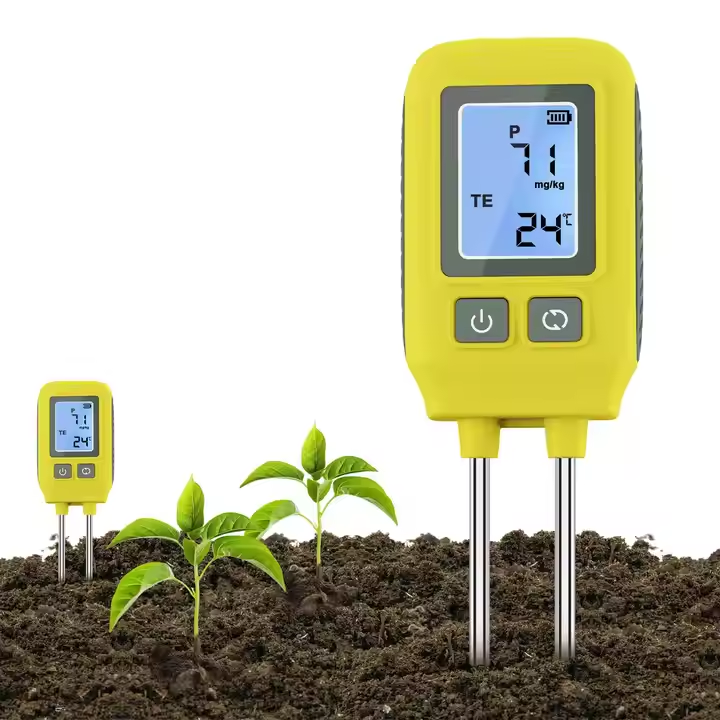
Yes, a soil meter can significantly help you maintain balanced soil conditions by providing real-time measurements of critical soil parameters such as pH levels, moisture content, and temperature. These portable devices eliminate the guesswork from soil management by delivering instant, accurate readings that enable farmers, gardeners, and agricultural professionals to make informed decisions about irrigation, fertilization, and soil amendment strategies. With precise data at your fingertips, you can optimize growing conditions for maximum crop yield and plant health.
Modern agriculture demands precision and efficiency, making soil meters essential tools for maintaining optimal growing conditions. These instruments provide the foundation for effective soil management by monitoring key environmental factors that directly impact plant growth, nutrient availability, and overall agricultural productivity. Understanding how a soil meter functions and its practical applications can transform your approach to soil care and crop management.
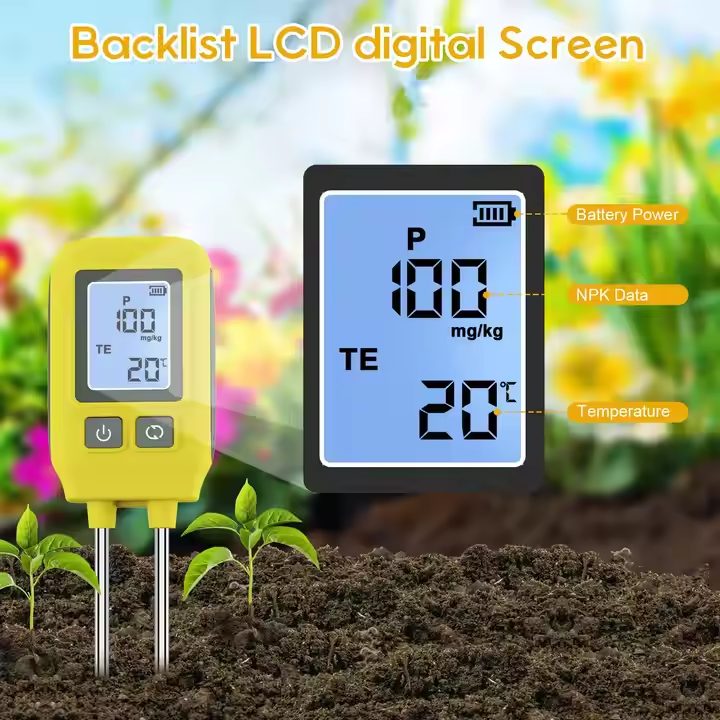
How Soil Meters Enable Precise Soil Management
Real-Time Monitoring Capabilities
A soil meter provides instantaneous measurements of soil conditions, allowing you to monitor changes throughout the growing season. This real-time capability is crucial for maintaining balanced soil conditions because soil parameters can fluctuate rapidly due to weather changes, irrigation practices, and plant uptake. Unlike laboratory testing that requires time and delays decision-making, a soil meter delivers immediate results that enable prompt corrective actions.
The ability to take multiple readings across different areas of your field or garden helps identify variations in soil conditions that might otherwise go unnoticed. This spatial awareness ensures that you can address localized issues before they impact overall crop performance. Regular monitoring with a soil meter creates a comprehensive understanding of your soil's behavior patterns over time.
Professional agricultural operations rely on soil meters to establish baseline conditions and track the effectiveness of soil improvement programs. The consistent data collection enables you to document changes and measure the success of various soil management strategies, providing valuable insights for future planning and optimization efforts.
Multi-Parameter Measurement Benefits
Modern soil meters typically measure multiple parameters simultaneously, including pH, moisture content, and temperature. This comprehensive approach to soil analysis ensures that you understand the interconnected relationships between these critical factors. pH affects nutrient availability, moisture content influences root development and nutrient transport, while temperature impacts biological activity and chemical processes in the soil.
The integration of multiple measurements in a single device streamlines the monitoring process and reduces the complexity of soil management. Instead of using separate instruments for each parameter, a multi-function soil meter provides a complete picture of soil conditions in one convenient tool. This efficiency is particularly valuable for large-scale operations where time and labor costs are significant considerations.
Understanding the correlation between different soil parameters helps you make more informed decisions about soil amendments and management practices. For example, soil pH affects the availability of certain nutrients, while moisture levels influence microbial activity that contributes to nutrient cycling. A soil meter helps you optimize these relationships for maximum soil balance and productivity.
Key Soil Parameters Measured by Soil Meters
pH Level Monitoring and Control
Soil pH is one of the most critical factors affecting plant health and nutrient availability, making pH monitoring an essential capability of any soil meter. The pH scale ranges from acidic to alkaline, with most crops thriving in slightly acidic to neutral conditions between 6.0 and 7.0. A soil meter enables you to monitor pH levels accurately and consistently across your growing area.
When soil pH becomes too acidic or alkaline, it can lock up essential nutrients, making them unavailable to plants despite adequate fertilization. Regular monitoring with a soil meter allows you to detect pH imbalances early and implement corrective measures such as lime application for acidic soils or sulfur amendments for alkaline conditions. This proactive approach prevents nutrient deficiencies and maintains optimal growing conditions.
Different crops have varying pH preferences, and a soil meter helps you maintain the ideal conditions for specific plants. For example, blueberries prefer acidic soil around 5.0 to 5.5, while vegetables like broccoli and lettuce perform best in neutral to slightly alkaline conditions. Understanding these requirements and monitoring with a soil meter ensures that each crop receives optimal growing conditions.
Moisture Content Management
Soil moisture content directly affects plant growth, root development, and nutrient uptake, making it a critical parameter for maintaining balanced soil conditions. A soil meter provides accurate moisture readings that help you optimize irrigation schedules and prevent both drought stress and waterlogging conditions. Proper moisture management is essential for efficient water use and maximum crop productivity.
Overwatering can lead to root rot, nutrient leaching, and anaerobic soil conditions that harm beneficial microorganisms. Conversely, insufficient moisture restricts plant growth and reduces nutrient mobility in the soil. A soil meter eliminates guesswork by providing precise moisture measurements that guide irrigation decisions and help maintain optimal water balance throughout the growing season.
Different soil types retain moisture differently, and a soil meter helps you understand the water-holding characteristics of your specific soil conditions. Sandy soils drain quickly and require more frequent irrigation, while clay soils retain moisture longer but may become waterlogged if overwatered. Regular monitoring with a soil meter helps you adapt your irrigation practices to your soil's unique characteristics.
Temperature Monitoring for Optimal Growth
Soil temperature significantly influences seed germination, root growth, and microbial activity, making it an important parameter measured by comprehensive soil meters. Different crops have specific temperature requirements for optimal growth, and monitoring soil temperature helps you time planting activities and predict growing conditions throughout the season.
Soil temperature affects the rate of chemical and biological processes that influence nutrient availability and soil health. Warmer soils generally support increased microbial activity and faster nutrient cycling, while cooler temperatures slow these processes. A soil meter helps you understand these temperature-dependent relationships and adjust management practices accordingly.
Seasonal temperature variations can significantly impact soil conditions, and regular monitoring with a soil meter helps you anticipate and prepare for these changes. Understanding temperature patterns enables you to optimize planting schedules, select appropriate crop varieties, and implement protective measures during extreme temperature events.
Practical Applications for Maintaining Soil Balance
Fertilization Program Optimization
A soil meter plays a crucial role in developing and implementing effective fertilization programs by providing the data needed to assess soil conditions and nutrient requirements. Accurate pH measurements help determine nutrient availability and guide the selection of appropriate fertilizer formulations. Understanding soil conditions through regular monitoring with a soil meter prevents over-fertilization and reduces environmental impact.
Nutrient management becomes more precise when you can correlate fertilizer applications with actual soil conditions measured by a soil meter. For example, phosphorus availability decreases in highly acidic or alkaline soils, so pH monitoring helps you determine when soil amendments are needed before phosphorus fertilization will be effective. This targeted approach improves fertilizer efficiency and reduces costs.
Timing fertilizer applications based on soil meter readings ensures that nutrients are available when plants need them most. Soil temperature and moisture conditions affect nutrient release rates and plant uptake, so monitoring these parameters helps you schedule fertilization for maximum effectiveness. A soil meter provides the information needed to synchronize nutrient availability with plant growth stages.
Irrigation Scheduling and Water Management
Efficient water management relies heavily on accurate soil moisture monitoring, making a soil meter an indispensable tool for irrigation scheduling. By measuring moisture content at different soil depths and locations, you can develop irrigation strategies that maintain optimal soil water balance while conserving water resources. This precision approach prevents both water stress and oversaturation conditions.
A soil meter helps you understand how different irrigation methods affect soil moisture distribution and retention. Drip irrigation, sprinkler systems, and flood irrigation each create different moisture patterns in the soil, and monitoring with a soil meter helps you optimize these systems for uniform water distribution. This knowledge enables you to adjust irrigation timing and duration for maximum efficiency.
Water conservation becomes more achievable when you can accurately monitor soil moisture conditions with a soil meter. Instead of following rigid irrigation schedules, you can irrigate based on actual soil conditions, reducing water waste while maintaining optimal growing conditions. This approach is particularly valuable in drought-prone areas where water resources are limited.
Crop Selection and Rotation Planning
Using a soil meter to understand your soil's characteristics helps inform crop selection decisions and rotation planning strategies. Different crops have varying tolerance levels for pH, moisture, and temperature conditions, and monitoring these parameters helps you match crops to suitable growing environments. This alignment between soil conditions and crop requirements maximizes productivity and reduces the risk of crop failure.
Crop rotation planning benefits significantly from historical soil meter data that shows how different crops affect soil conditions over time. Some crops deplete specific nutrients while others contribute organic matter or fix nitrogen, and tracking these changes with a soil meter helps you design rotation sequences that maintain soil health and fertility. This long-term approach to soil management prevents degradation and maintains balanced conditions.
Soil meter measurements can reveal areas within a field that have different growing conditions, enabling you to implement zone-specific crop selection strategies. Variable soil conditions may require different crop varieties or management approaches, and a soil meter provides the data needed to make these distinctions and optimize production across diverse soil environments.
Implementation Strategies for Effective Soil Monitoring
Establishing Monitoring Protocols
Successful soil balance maintenance requires systematic monitoring protocols that utilize a soil meter effectively. Establishing regular measurement schedules ensures consistent data collection and helps identify trends in soil conditions over time. Weekly or bi-weekly monitoring during the growing season provides sufficient data to track changes and respond to emerging issues promptly.
Creating a grid system for soil meter measurements ensures comprehensive coverage of your growing area and helps identify spatial variations in soil conditions. Taking readings at consistent locations and depths enables you to build a database of soil information that becomes increasingly valuable over time. This systematic approach with a soil meter provides the foundation for evidence-based soil management decisions.
Recording and analyzing soil meter data helps you understand patterns and relationships between different soil parameters and growing conditions. Maintaining detailed records of measurements alongside information about weather, irrigation, and crop performance creates a comprehensive picture of soil behavior that guides future management strategies. This data-driven approach maximizes the value of your soil meter investment.
Integration with Existing Management Systems
A soil meter becomes most effective when integrated with existing agricultural management systems and practices. Combining soil meter data with weather information, crop growth stages, and management activities creates a comprehensive understanding of factors affecting soil balance. This holistic approach enables more precise and effective soil management strategies.
Modern farm management software can incorporate soil meter readings alongside other production data to provide insights into soil-crop relationships and management effectiveness. This integration helps identify correlations between soil conditions and crop performance, enabling you to refine management practices based on actual results rather than assumptions.
Training farm personnel on proper soil meter use and data interpretation ensures consistent and accurate monitoring across your operation. Establishing standard procedures for taking measurements, recording data, and responding to soil meter readings creates a reliable system for maintaining balanced soil conditions. This systematic approach maximizes the benefits of soil monitoring technology.
FAQ
How often should I use a soil meter to monitor my soil conditions?
For optimal soil balance maintenance, use your soil meter weekly during active growing seasons and monthly during dormant periods. Critical times include before planting, after major weather events, following fertilizer or amendment applications, and during periods of rapid plant growth. More frequent monitoring may be necessary in greenhouse environments or intensive production systems where conditions change rapidly.
What soil meter readings indicate that my soil conditions are becoming unbalanced?
Soil conditions may be becoming unbalanced if pH readings consistently fall outside the 6.0-7.5 range for most crops, moisture levels fluctuate dramatically between readings, or soil temperature varies significantly from seasonal norms. Sudden changes in any parameter or readings that trend consistently in one direction over several measurements may indicate developing imbalances requiring attention.
Can a soil meter help reduce fertilizer costs while maintaining soil balance?
Yes, a soil meter can significantly reduce fertilizer costs by enabling precise application timing and preventing over-fertilization. By monitoring pH levels, you can ensure optimal nutrient availability before applying fertilizers, improving their effectiveness and reducing waste. Accurate moisture monitoring also helps time fertilizer applications when nutrients will be most readily absorbed by plants, maximizing fertilizer efficiency and reducing environmental impact.
Do soil meters work effectively in all soil types and growing environments?
Modern soil meters work effectively in most soil types including sandy, clay, and loamy soils, though calibration may be necessary for optimal accuracy in specific soil conditions. They perform well in outdoor agricultural settings, greenhouses, and container growing environments. However, extremely rocky or heavily mulched soils may require special techniques for accurate readings, and some meters may need recalibration when moving between significantly different soil types.
Table of Contents
- How Soil Meters Enable Precise Soil Management
- Key Soil Parameters Measured by Soil Meters
- Practical Applications for Maintaining Soil Balance
- Implementation Strategies for Effective Soil Monitoring
-
FAQ
- How often should I use a soil meter to monitor my soil conditions?
- What soil meter readings indicate that my soil conditions are becoming unbalanced?
- Can a soil meter help reduce fertilizer costs while maintaining soil balance?
- Do soil meters work effectively in all soil types and growing environments?