 EN
EN


Selecting the right baby scale is crucial for monitoring your infant's healthy growth and development during their most critical early months. Healthcare professionals and parents alike rely on accurate weight measurements to track feeding progress, identify potential health concerns, and ensure proper development milestones are being met. A reliable baby scale provides peace of mind and essential data that helps guide important decisions about your child's nutritional needs and overall wellbeing.
Essential Accuracy and Precision Standards
Digital Display Technology
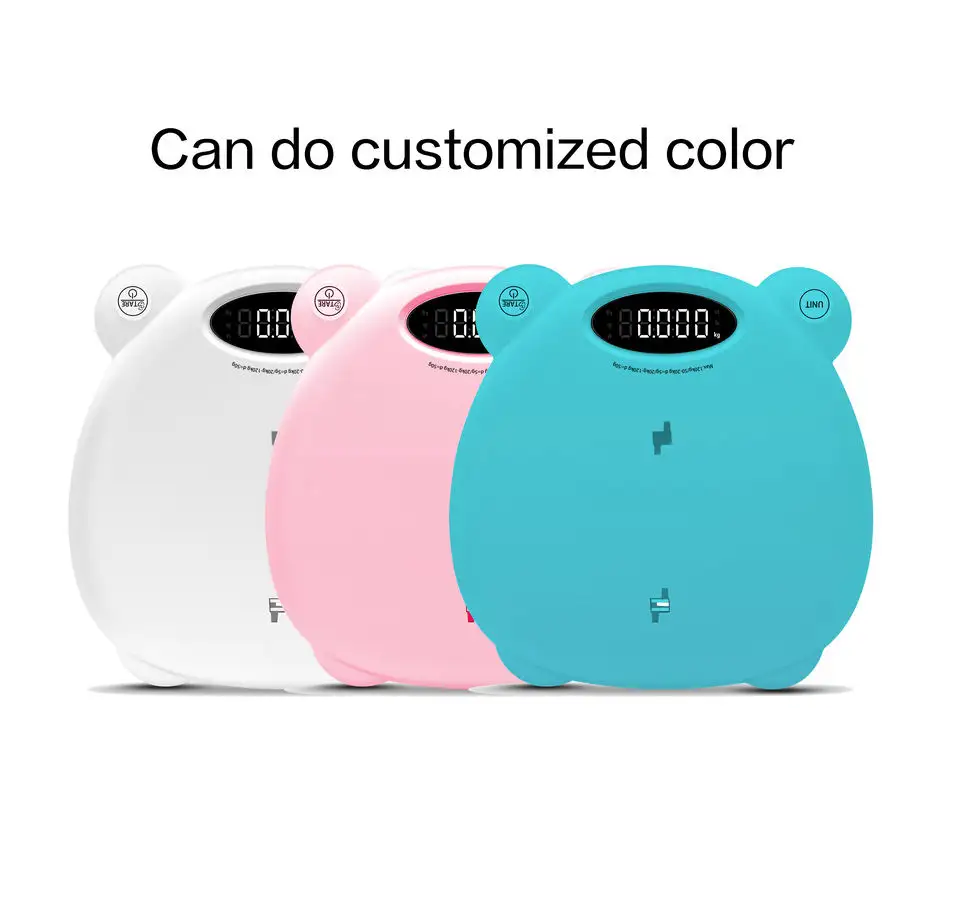
Modern baby scales incorporate advanced digital display technology that provides clear, easy-to-read measurements with exceptional precision. The display should feature large, bright numbers that remain visible from various angles and lighting conditions. High-quality units typically offer measurements in both metric and imperial units, allowing healthcare providers and parents to work with their preferred measurement system. The digital readout should stabilize quickly and maintain consistent readings even when the infant moves slightly during weighing.
Professional-grade baby scales often include additional display features such as hold functions that capture and maintain the weight reading even after the baby is removed from the scale. This functionality proves invaluable when working with active infants who refuse to remain still during the weighing process. Some advanced models also incorporate memory functions that store previous measurements for tracking growth patterns over time.
Measurement Sensitivity and Range
The sensitivity of a baby scale determines its ability to detect small weight changes, which can be critically important for monitoring newborns and premature infants. Premium units typically offer sensitivity measurements as precise as 5-10 grams, allowing healthcare professionals to track even minor fluctuations in weight that might indicate feeding issues or health concerns. The measurement range should accommodate infants from birth through toddler stages, typically spanning from 0 to 20 kilograms or approximately 44 pounds.
Calibration capabilities ensure long-term accuracy and reliability of measurements. Quality baby scales include either automatic calibration systems or manual calibration options that allow users to maintain precision over extended periods of use. Regular calibration becomes especially important in professional healthcare settings where multiple weighing sessions occur daily and measurement accuracy directly impacts patient care decisions.
Safety and Comfort Design Elements
Ergonomic Tray Configuration
The weighing tray represents the primary interface between the infant and the scale, making its design critically important for both safety and comfort. An ideal baby scale features a contoured tray that naturally cradles the infant while providing adequate support for their head, back, and limbs. The tray should be sufficiently deep to prevent accidental rolling or sliding while maintaining gentle curves that accommodate infants of various sizes and ages.
Removable tray designs offer significant advantages for cleaning and maintenance purposes. These systems allow for thorough sanitization between uses, which becomes essential in healthcare environments where infection control protocols must be strictly maintained. The tray removal mechanism should be intuitive and secure, preventing accidental detachment during use while enabling quick removal for cleaning procedures.
Non-Slip Base and Stability Features
A stable base prevents dangerous tipping or sliding during the weighing process, ensuring infant safety throughout the procedure. Quality baby scales incorporate wide, heavy bases with non-slip feet or pads that grip securely to various surface types. The base should be proportionally sized to support the tray and infant without creating balance issues, even when the child moves or shifts position during weighing.
Advanced stability features might include adjustable feet for leveling on uneven surfaces and low-profile designs that minimize the risk of tipping. Some professional models incorporate anti-vibration technology that filters out environmental disturbances, ensuring accurate readings even in busy healthcare environments where foot traffic and equipment operation might otherwise affect measurements.
Power and Operational Efficiency
Battery Life and Power Options
Reliable power systems ensure consistent operation without interruption during critical weighing procedures. Modern baby scales typically offer multiple power options including battery operation, AC adapter functionality, or dual-power systems that automatically switch between sources. Battery-powered units should provide extended operational life, typically measured in hundreds of weighing cycles, to minimize interruptions and maintenance requirements.
Power-saving features such as automatic shut-off timers help preserve battery life while maintaining ready availability when needed. Quality units include low-battery indicators that provide advance warning before power depletion affects operation. Some advanced models incorporate rechargeable battery systems that eliminate ongoing battery replacement costs while maintaining reliable performance over extended periods.
Quick Start and Response Time
Efficient startup procedures minimize waiting time and improve workflow efficiency, particularly important in busy healthcare settings. Quality baby scales should power on quickly and complete internal diagnostics within seconds of activation. The weighing process itself should begin immediately when an infant is placed on the tray, with stable readings displayed within moments of positioning.
Response time becomes particularly crucial when working with fussy or restless infants who may not cooperate for extended periods. Fast-responding scales capture accurate measurements before infants become agitated, improving the overall experience for both caregivers and children. Some units include motion-sensing technology that automatically begins the weighing process when weight is detected on the tray.
Professional Features and Connectivity
Data Recording and Memory Functions
Advanced baby scales incorporate comprehensive data management capabilities that support ongoing monitoring and record-keeping requirements. Memory functions should store multiple measurements with date and time stamps, enabling healthcare professionals to track growth patterns and identify trends over extended periods. Some units can store data for multiple patients, making them suitable for clinics and hospitals serving numerous infants.
Export capabilities allow stored data to be transferred to electronic health record systems or printed for physical documentation. USB connectivity, wireless transmission, or memory card support provides flexible options for data management according to specific healthcare facility requirements. Integration with practice management software streamlines workflow and reduces manual data entry requirements.
Connectivity and Integration Options
Modern healthcare environments increasingly rely on connected devices that integrate seamlessly with existing information systems. Baby scale models with wireless connectivity enable automatic data transmission to electronic health records, reducing transcription errors and improving documentation accuracy. Bluetooth, Wi-Fi, or cellular connectivity options provide flexibility for different healthcare environments and IT infrastructure configurations.
Cloud-based data storage solutions offer additional benefits including automatic backup, remote access capabilities, and enhanced security features. Healthcare providers can access patient weight data from multiple locations and devices, improving continuity of care and enabling more informed decision-making. Integration with mobile applications allows parents to track their infant's growth progress and share data with healthcare providers between appointments.
Maintenance and Durability Considerations
Construction Materials and Build Quality
Durable construction materials ensure long-term reliability and performance under demanding use conditions. Professional baby scales typically feature medical-grade plastics or stainless steel components that resist wear, corrosion, and chemical damage from cleaning solutions. The materials should be non-porous and easy to sanitize, meeting healthcare industry standards for infection control and hygiene maintenance.
Build quality indicators include solid construction without flex or movement in the tray or base, secure connections between components, and consistent operation of all moving parts. Quality units demonstrate smooth tray removal and installation, stable button operation, and clear display visibility over extended periods. Reinforced stress points and protective features help prevent damage from accidental drops or impacts during transport and storage.
Cleaning and Sanitization Requirements
Easy cleaning procedures are essential for maintaining hygiene standards and preventing cross-contamination between patients. The baby scale surface should be smooth and non-textured to facilitate thorough cleaning with standard healthcare disinfectants. Removable components should be dishwasher-safe or compatible with chemical sanitization procedures commonly used in healthcare environments.
Sealed electronics prevent moisture intrusion during cleaning procedures, ensuring continued reliable operation after sanitization. Quality units feature protected button areas and display covers that prevent cleaning solutions from penetrating internal components. Clear cleaning instructions and compatible disinfectant recommendations help healthcare facilities maintain proper hygiene protocols while preserving equipment functionality and longevity.
FAQ
What weight capacity should I look for in a baby scale
Most quality baby scales offer weight capacities ranging from 20 to 44 pounds (9 to 20 kilograms), which accommodates infants from birth through toddler stages. This range ensures the scale remains useful as your child grows, providing value over an extended period. For healthcare facilities serving diverse patient populations, higher capacity models offer greater versatility and longer useful life.
How accurate should a baby scale be for home use versus medical settings
Home-use baby scales should provide accuracy within 0.5 to 1 ounce (15-30 grams) for effective growth monitoring, while medical-grade scales typically offer precision within 0.2 to 0.5 ounces (5-15 grams). Healthcare facilities require higher precision to detect subtle changes that might indicate medical concerns, while home users generally need sufficient accuracy to track overall growth trends and feeding progress.
Are wireless connectivity features worth the additional cost
Wireless connectivity provides significant value for healthcare facilities and tech-savvy parents who want automated record-keeping and data integration capabilities. The investment becomes worthwhile when considering reduced manual data entry, improved accuracy in record-keeping, and enhanced ability to share information with healthcare providers. For basic home monitoring, simpler models without connectivity may provide adequate functionality at lower cost.
How often should a baby scale be calibrated for accurate measurements
Professional healthcare settings should calibrate baby scales monthly or according to manufacturer recommendations and regulatory requirements, while home users typically need calibration only when accuracy concerns arise or annually for maintenance. Regular calibration ensures measurement accuracy and helps identify potential issues before they affect performance. Many modern scales include automatic calibration features that simplify this maintenance requirement.