 EN
EN


Monitoring your baby's weight is one of the most important aspects of ensuring their healthy development during the first few years of life. Healthcare professionals rely on precise measurements to track growth patterns, identify potential health concerns, and provide appropriate nutritional guidance. Baby scales have become an essential tool for both medical facilities and concerned parents who want to keep close tabs on their infant's progress at home.
The accuracy of these specialized weighing instruments directly impacts medical decisions, feeding schedules, and overall peace of mind for families. Modern digital baby scales offer unprecedented precision, with many models capable of measuring weight changes as small as 5-10 grams. This level of sensitivity allows healthcare providers to detect subtle changes that might indicate feeding difficulties, metabolic issues, or other developmental concerns that require immediate attention.
Understanding the technology behind these devices, their calibration requirements, and proper usage techniques is crucial for anyone responsible for infant care. Whether you're a pediatric nurse, new parent, or childcare professional, knowing what makes baby scales accurate and reliable can significantly improve the quality of care you provide to growing infants.
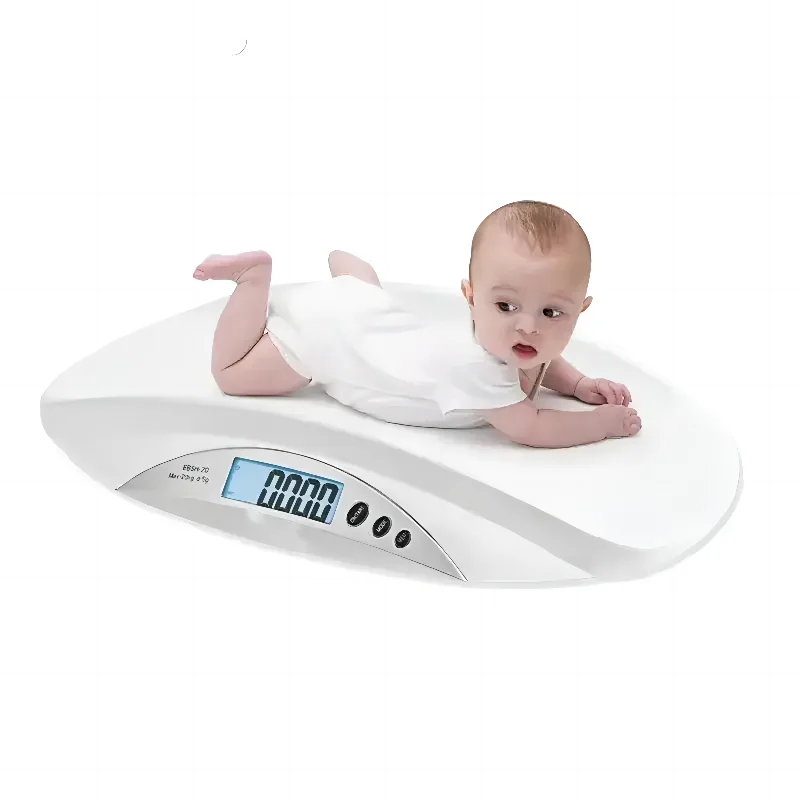
Understanding Baby Scale Technology and Precision
Digital Load Cell Technology
Modern baby scales utilize advanced digital load cell technology that converts mechanical force into electrical signals with remarkable precision. These sophisticated sensors contain strain gauges that deform slightly under weight, creating measurable electrical resistance changes. The internal microprocessor then converts these analog signals into digital weight readings displayed on LCD screens with clarity and accuracy.
High-quality baby scales incorporate multiple load cells positioned strategically beneath the weighing platform to ensure even weight distribution and eliminate corner loading errors. This multi-point sensing system provides consistent readings regardless of where the baby is positioned on the scale, reducing measurement variations that could affect medical assessments.
The resolution of these digital systems typically ranges from 2 grams to 10 grams, with premium models offering even finer increments. This precision level allows healthcare professionals to detect small weight changes that might indicate feeding problems, dehydration, or other health issues requiring prompt intervention.
Calibration Standards and Accuracy Specifications
Professional-grade baby scales must meet strict calibration standards established by medical device regulatory bodies. These instruments undergo rigorous testing procedures to ensure they maintain accuracy within specified tolerances, typically ±0.1% of the measured weight for medical applications.
Regular calibration using certified reference weights is essential for maintaining measurement integrity. Most commercial baby scales require recalibration every 6-12 months, depending on usage frequency and environmental conditions. Healthcare facilities often implement daily calibration checks using standard weights to verify ongoing accuracy.
Temperature compensation features in advanced models automatically adjust readings to account for thermal expansion and contraction of internal components. This technology ensures consistent measurements across varying ambient temperatures commonly encountered in medical settings and home environments.
Medical Importance of Accurate Weight Measurements
Growth Pattern Monitoring
Pediatricians rely on precise weight measurements to plot infant growth curves and identify deviations from normal development patterns. These standardized charts, developed by organizations like the World Health Organization, require accurate data points to detect potential problems early in a child's development.
Small weight variations can indicate significant health changes in infants, making the precision of baby scales critically important for medical decision-making. A difference of just 50 grams in a newborn's weight measurement could influence feeding recommendations, medication dosages, or the need for additional medical evaluation.
Consistent tracking over time reveals trends that might not be apparent from single measurements. Healthcare providers use this longitudinal data to assess nutritional adequacy, identify failure to thrive conditions, and monitor recovery progress following illness or medical procedures.
Medication Dosage Calculations
Pediatric medication dosages are calculated based on precise body weight measurements, making accurate scales essential for patient safety. Even small measurement errors can result in under-dosing or over-dosing, both of which pose serious health risks for infants and young children.
Hospital pharmacies and pediatric units depend on reliable weight data to prepare individualized medication formulations. Many drugs have narrow therapeutic windows in pediatric patients, requiring exact dosing calculations based on current body weight rather than estimated values.
Emergency medical situations often require rapid medication administration based on accurate weight measurements. Having properly calibrated baby scales available ensures medical teams can make critical dosing decisions with confidence during urgent care scenarios.
Factors Affecting Scale Accuracy and Reliability
Environmental Conditions
Environmental factors significantly impact the accuracy and reliability of baby scales, with temperature fluctuations being among the most critical variables. Electronic components within digital scales can drift with temperature changes, affecting measurement precision if proper compensation mechanisms aren't implemented.
Air currents and vibrations in the measurement environment can cause reading instabilities, particularly with high-resolution scales sensitive to external disturbances. Proper placement away from heating vents, air conditioning units, and high-traffic areas helps maintain measurement consistency.
Humidity levels can affect electronic components and cause condensation issues that interfere with proper scale operation. Many professional-grade baby scales include moisture protection features and sealed electronics to prevent environmental damage.
User Technique and Positioning
Proper positioning techniques are essential for obtaining accurate weight measurements with baby scales. The infant should be placed in the center of the weighing platform, with weight distributed evenly to prevent corner loading errors that can skew results.
Movement during weighing poses significant challenges for accurate measurements. Modern baby scales incorporate motion-sensing technology and averaging algorithms that filter out movement artifacts while maintaining measurement precision.
Timing of measurements affects accuracy, as factors like feeding schedules, diaper weight, and clothing can introduce variables that impact true body weight determination. Establishing consistent measurement protocols helps ensure reliable comparative data over time.
Choosing the Right Baby Scale for Your Needs
Professional Medical Applications
Healthcare facilities require baby scales that meet stringent accuracy standards and regulatory compliance requirements. Medical-grade instruments typically offer resolution capabilities of 2-5 grams with certified accuracy specifications suitable for clinical applications.
Durability and ease of cleaning are paramount considerations for medical environments where scales undergo frequent use and regular sanitization procedures. Stainless steel construction and sealed electronics provide longevity and infection control compatibility.
Data connectivity features allow integration with electronic health records systems, enabling automatic documentation of weight measurements and reducing transcription errors. Many professional models include wireless connectivity and data export capabilities for seamless workflow integration.
Home Use Considerations
Parents selecting baby scales for home monitoring should prioritize ease of use, safety features, and reasonable accuracy for non-medical applications. Consumer-grade models typically offer 10-20 gram resolution, which is sufficient for general growth tracking purposes.
Safety features such as curved weighing trays, non-slip surfaces, and automatic shut-off functions enhance user experience and prevent accidents during home weighing sessions. Removable trays facilitate cleaning and maintenance between uses.
Battery life and power management features are important considerations for portable home use models. Many units include automatic power-saving modes and long-lasting battery systems that reduce maintenance requirements.
Maintenance and Calibration Best Practices
Regular Calibration Procedures
Establishing regular calibration schedules ensures ongoing accuracy and reliability of baby scales throughout their operational lifetime. Professional facilities typically implement daily accuracy checks using certified reference weights before beginning patient measurements.
Calibration weights should be traceable to national standards and certified by accredited calibration laboratories. These reference standards must be handled carefully and stored in controlled environments to maintain their accuracy specifications.
Documentation of calibration results and maintenance activities provides audit trails required for regulatory compliance and quality assurance programs. Many facilities maintain calibration logs that track performance trends and identify potential issues before they affect measurement accuracy.
Cleaning and Storage Requirements
Proper cleaning procedures extend the operational life of baby scales while maintaining measurement accuracy and hygiene standards. Gentle cleaning solutions compatible with electronic components should be used to avoid damage to sensitive internal systems.
Storage conditions significantly impact scale longevity and accuracy retention. Controlled temperature and humidity environments prevent component degradation and maintain calibration stability between uses.
Regular inspection of mechanical components, electrical connections, and display systems helps identify wear patterns or potential failure points before they compromise measurement accuracy or safety.
FAQ
How often should baby scales be calibrated for medical use
Medical-grade baby scales should undergo formal calibration every 6-12 months by certified technicians, with daily accuracy checks performed using certified reference weights. The frequency depends on usage intensity, environmental conditions, and regulatory requirements specific to your healthcare facility.
What accuracy level is needed for home baby weight monitoring
For home use, baby scales with 10-20 gram resolution provide sufficient accuracy for general growth monitoring and feeding assessment. While not as precise as medical-grade instruments, this level of accuracy is adequate for detecting significant weight changes and tracking overall development trends.
Can baby scales accurately measure very small weight changes
High-quality baby scales can detect weight changes as small as 5-10 grams, depending on the model and calibration status. This sensitivity level allows healthcare providers to monitor subtle changes that might indicate feeding difficulties, illness, or medication effects in infants.
What safety features should I look for in baby scales
Essential safety features include curved weighing trays to prevent rolling, non-slip surfaces for stability, automatic shut-off to prevent overheating, and rounded edges to eliminate injury risks. Medical-grade models should also include motion-sensing technology to ensure accurate measurements despite infant movement during weighing procedures.