 EN
EN

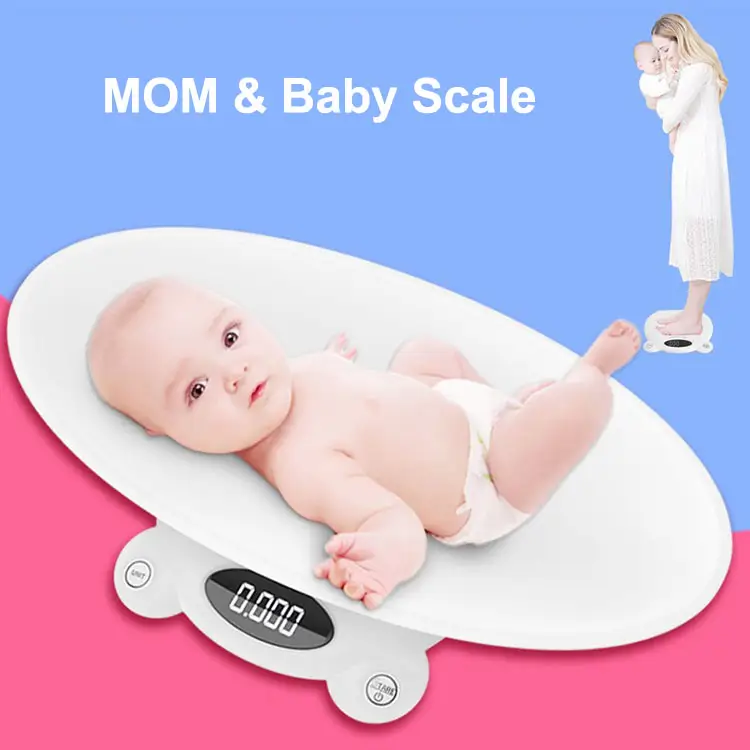
Tracking your infant's growth is one of the most important aspects of ensuring their healthy development during the critical early months. A baby scale provides parents and healthcare professionals with accurate measurements that help monitor weight gain patterns, detect potential health issues early, and ensure proper nutrition. Understanding how to properly use a baby scale can give you confidence in monitoring your child's progress and maintaining detailed growth records that pediatricians rely on for comprehensive health assessments.
Modern digital baby scales offer precision measurements that can track even small changes in your infant's weight, making them invaluable tools for both home monitoring and clinical settings. These specialized scales are designed with safety features and ergonomic considerations that accommodate the unique needs of weighing infants who cannot yet sit or stand independently. Regular weight monitoring helps establish baseline measurements and identifies trends that indicate whether your baby is thriving or may need additional nutritional support.
Setting Up Your Baby Scale for Accurate Measurements
Choosing the Right Location
Selecting an appropriate location for your baby scale is crucial for obtaining consistent and accurate measurements. Place the scale on a flat, stable surface away from air conditioning vents, heating sources, or areas with significant temperature fluctuations that could affect the digital sensors. The weighing surface should be level and firm, avoiding carpeted areas that might cause the scale to wobble or provide uneven support during the weighing process.
Ensure adequate lighting in the weighing area so you can clearly read the digital display and observe your baby's positioning on the scale. The location should also provide enough space around the scale for you to safely place and remove your infant without feeling cramped or rushed. Consider proximity to a comfortable changing area where you can prepare your baby before weighing, as infants should typically be weighed without clothing or diapers for the most accurate measurements.
Calibration and Initial Setup
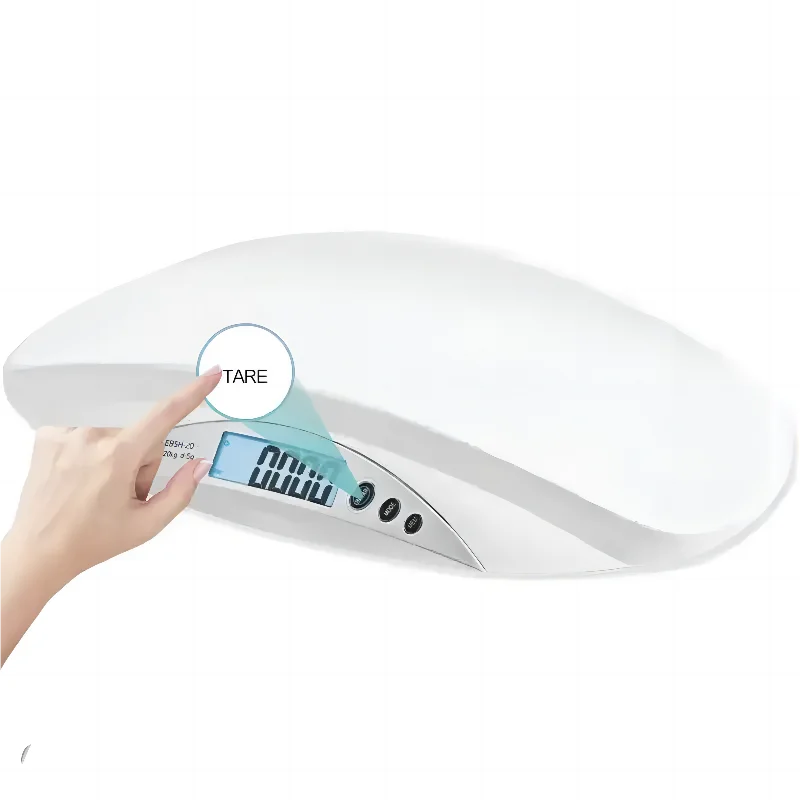
Before using your baby scale for the first time, perform a thorough calibration according to the manufacturer's instructions. Most digital models require you to turn on the device and allow it to auto-zero before placing any weight on the platform. Some scales include calibration weights or require you to press specific button combinations to ensure accurate baseline measurements.
Check that all removable components, such as the weighing tray or protective covers, are properly secured and positioned correctly. Verify that the display shows zero when the scale is empty and stable. If your scale includes memory functions or connectivity features, configure these settings according to your preference for tracking multiple measurements over time or syncing data with health monitoring applications.
Proper Weighing Techniques for Infants
Preparing Your Baby
Preparation is essential for obtaining accurate weight measurements and ensuring your baby's comfort during the weighing process. Remove all clothing, including diapers, socks, and accessories, as even lightweight items can affect the precision of infant weight measurements. If your baby has recently eaten or had a wet diaper, consider waiting a short period or noting these factors in your records, as they can temporarily influence weight readings.
Choose a time when your baby is calm and content, preferably not immediately before or after feeding when they might be fussy or unsettled. Room temperature should be comfortable for a naked infant, typically around 72-75 degrees Fahrenheit, to prevent your baby from becoming cold and agitated during the measurement process. Having a soft towel or blanket nearby can provide immediate warmth and comfort once the weighing is complete.
Safe Positioning and Measurement
Place your baby gently on the center of the scale platform, ensuring their entire body is supported by the weighing surface. For newborns and very young infants, the curved design of most baby scales provides natural support, but always keep one hand positioned protectively near your baby without actually touching them during the measurement. The goal is to be ready to provide immediate support if needed while allowing the scale to register their true weight.
Wait for the digital display to stabilize completely before recording the measurement, as movement or vibration can cause fluctuating readings. Most quality baby scales will indicate when a stable measurement has been achieved through a steady display or audible signal. If your baby is particularly active or fussy, you may need to take multiple measurements and use the average, or wait for a calmer moment to ensure accuracy.
Understanding Growth Patterns and Weight Tracking
Normal Weight Gain Expectations
Understanding normal infant weight gain patterns helps you interpret the measurements from your baby scale and recognize when growth is progressing as expected. Newborns typically lose 5-10% of their birth weight during the first week of life before beginning steady weight gain. After this initial period, healthy infants generally gain 4-7 ounces per week during the first few months, though individual patterns can vary significantly based on feeding method, genetics, and overall health.
Growth patterns are more meaningful than individual measurements, which is why consistent tracking with a reliable baby scale is so valuable. Pediatricians look for steady upward trends rather than specific target weights, and they consider factors such as length and head circumference alongside weight measurements to assess overall development. Recording regular measurements allows you to identify your baby's unique growth pattern and notice any significant deviations that might warrant medical attention.
Creating Effective Growth Records
Maintaining detailed records of your baby's weight measurements creates valuable data that healthcare providers use to assess growth trends and nutritional adequacy. Record not only the weight but also the date, time of day, and any relevant circumstances such as feeding schedule or recent illness. Many parents find it helpful to weigh their baby at the same time each day, such as before the morning feeding, to minimize variables that could affect measurements.
Consider using growth tracking applications or charts that can plot your measurements over time and compare them to standard growth percentiles. These visual representations make it easier to spot trends and share comprehensive information with your pediatrician during check-ups. Some digital baby scales include built-in memory functions or smartphone connectivity that can automatically store and organize measurement data, simplifying the record-keeping process for busy parents.
Troubleshooting Common Baby Scale Issues
Addressing Measurement Inconsistencies
Inconsistent readings from your baby scale can be frustrating and concerning for parents who rely on accurate measurements to monitor their infant's growth. Common causes of measurement variations include an unlevel surface, electronic interference from nearby devices, or temperature fluctuations that affect the scale's sensors. If you notice significant discrepancies between consecutive measurements, first ensure the scale is on a completely flat, stable surface and away from potential sources of interference.
Battery levels can also affect the accuracy of digital baby scales, so check that your device has adequate power and consider replacing batteries if measurements seem erratic. Some scales require a brief warm-up period after being turned on, so allow the device to stabilize before use. If problems persist, consult the manufacturer's troubleshooting guide or consider having the scale professionally calibrated to restore optimal accuracy.
Maintaining Scale Accuracy Over Time
Regular maintenance of your baby scale ensures continued accuracy and extends the device's useful life. Clean the weighing surface gently with a damp cloth and mild detergent, avoiding harsh chemicals that could damage electronic components or leave residues that might affect measurements. Ensure the scale is completely dry before use, as moisture can interfere with digital sensors and potentially cause safety hazards.
Store your baby scale in a clean, dry environment when not in use, and avoid exposing it to extreme temperatures or humidity that could affect calibration. Periodically test the scale's accuracy using known weights within the appropriate range, and recalibrate according to manufacturer instructions if necessary. Professional calibration services are available for scales used in clinical settings or when maximum precision is required for medical monitoring purposes.
FAQ
How often should I weigh my baby at home
For healthy, full-term infants, weighing once or twice per week at home is typically sufficient to monitor growth patterns without creating unnecessary anxiety about daily fluctuations. Newborns who had feeding difficulties or were born prematurely might benefit from more frequent monitoring as recommended by their healthcare provider. Daily weighing is generally not necessary unless specifically advised by your pediatrician for medical reasons, as normal variations in hydration, feeding, and elimination can cause misleading day-to-day changes that don't reflect actual growth trends.
What should I do if my baby scale shows concerning weight changes
If your baby scale indicates unexpected weight loss, failure to gain weight over several consecutive measurements, or unusually rapid weight gain, contact your pediatrician promptly for guidance. Document the concerning measurements along with any changes in feeding patterns, behavior, or health symptoms that might provide relevant context. Remember that single measurements can be affected by various factors, so focus on overall patterns rather than isolated readings when assessing whether professional medical evaluation is needed.
Can I use a regular bathroom scale instead of a dedicated baby scale
Regular bathroom scales are not suitable for accurately weighing infants because they lack the precision needed to detect small weight changes that are significant in babies. Adult scales typically measure in larger increments and are not designed for the low weights and safety requirements of infant weighing. The step-on platform of bathroom scales also presents safety hazards for babies who cannot stand independently, making dedicated baby scales with appropriate safety features and measurement precision essential for proper infant weight monitoring.
When can I transition from a baby scale to a regular scale
Most children can transition to standing on a regular scale once they can stand steadily and follow simple instructions, typically between 18-24 months of age. However, the transition timing depends on your child's individual development and cooperation level rather than a specific age. Some parents continue using baby scales longer for convenience and accuracy, especially if their child is small for their age or if precise weight monitoring remains medically important. Consult with your pediatrician about the most appropriate timing for transitioning based on your child's specific needs and development.