 EN
EN

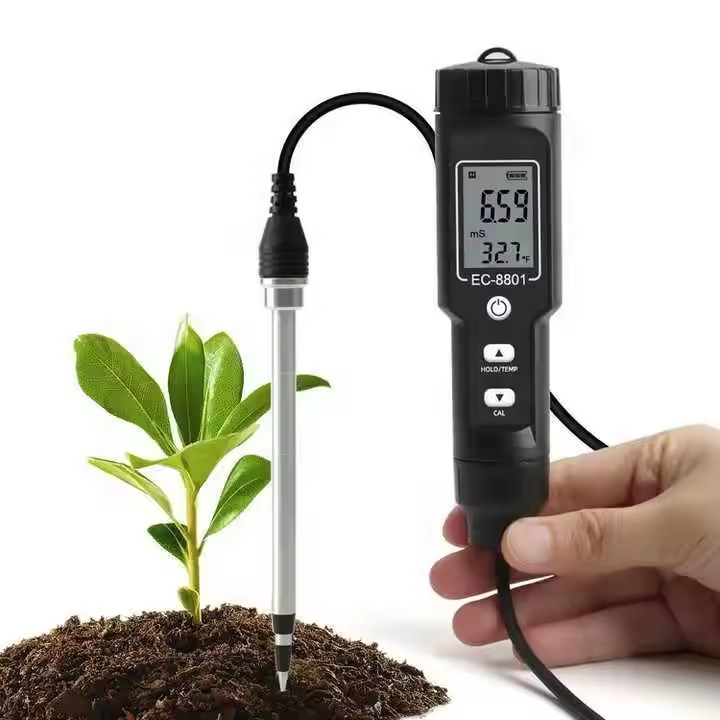
Modern agriculture increasingly relies on precision farming techniques to optimize crop yields and resource efficiency. A digital soil meter has emerged as an essential tool for farmers, agronomists, and agricultural professionals who need accurate, real-time data about soil conditions. These sophisticated instruments provide instant measurements of critical soil parameters including pH levels, moisture content, and temperature, enabling data-driven decisions that can significantly impact agricultural productivity and sustainability.
The integration of a digital soil meter into agricultural operations transforms traditional farming approaches by replacing guesswork with scientific precision. Unlike conventional soil testing methods that require laboratory analysis and extended waiting periods, these digital instruments deliver immediate results directly in the field. This technological advancement allows farmers to make timely adjustments to irrigation schedules, fertilizer applications, and crop management strategies based on accurate soil condition data, ultimately leading to improved crop performance and reduced input costs.
Enhanced Crop Yield and Quality Through Precise Soil Monitoring
Optimized Nutrient Management
A digital soil meter enables precise nutrient management by providing accurate pH readings that directly influence nutrient availability in soil. When soil pH levels are optimal, plants can efficiently absorb essential nutrients like nitrogen, phosphorus, and potassium. The digital soil meter allows farmers to monitor pH fluctuations throughout growing seasons and make targeted lime or sulfur applications to maintain ideal pH ranges for specific crops.
The immediate feedback from a digital soil meter helps prevent nutrient deficiencies and toxicities that can severely impact crop development. By regularly monitoring soil conditions with this precision instrument, agricultural professionals can adjust fertilizer programs to match actual soil needs rather than following generic application schedules. This targeted approach not only improves crop nutrition but also reduces fertilizer waste and environmental impact.
Improved Water Use Efficiency
Soil moisture monitoring capabilities of a digital soil meter provide crucial data for irrigation management decisions. These instruments measure soil moisture content accurately, helping farmers determine optimal irrigation timing and duration. By avoiding both under-watering and over-watering conditions, crops experience reduced stress and maintain consistent growth patterns throughout their development cycle.
The precision offered by a digital soil meter in moisture measurement enables farmers to implement deficit irrigation strategies when appropriate, conserving water resources while maintaining acceptable yield levels. This capability becomes particularly valuable in regions facing water scarcity or during drought conditions when every drop of water must be used efficiently to sustain agricultural production.
Cost Reduction and Resource Optimization Benefits
Reduced Input Costs Through Targeted Applications
Using a digital soil meter significantly reduces agricultural input costs by enabling precise application of fertilizers, lime, and other soil amendments. Instead of applying uniform rates across entire fields, farmers can create detailed soil condition maps and apply inputs only where needed. This targeted approach can reduce fertilizer costs by twenty to thirty percent while maintaining or improving crop yields.
The real-time data from a digital soil meter eliminates the need for expensive laboratory soil tests in many situations, providing immediate results that guide daily management decisions. While comprehensive laboratory analysis remains important for detailed nutrient planning, the digital soil meter handles routine monitoring tasks cost-effectively, reducing overall testing expenses throughout growing seasons.
Prevention of Costly Crop Losses
Early detection of unfavorable soil conditions through digital soil meter monitoring helps prevent costly crop losses before they occur. Soil pH imbalances, moisture stress, and temperature extremes can be identified and addressed quickly, preventing plant stress that leads to reduced yields or crop failure. The ability to take corrective action based on accurate digital soil meter readings protects significant investments in seeds, fertilizers, and labor.
Temperature monitoring capabilities of advanced digital soil meter models provide valuable information about soil warming trends that affect seed germination and root development. By tracking soil temperature patterns, farmers can optimize planting dates and protect young plants from temperature-related stress that could compromise entire seasons of agricultural production.
Operational Efficiency and Time Management Advantages
Instant Field Testing Capabilities
The portability and instant results provided by a digital soil meter revolutionize field testing procedures for agricultural operations. Traditional soil sampling and laboratory analysis can take several days or weeks to provide results, often making the information less relevant for immediate management decisions. A digital soil meter delivers accurate measurements within seconds, enabling real-time adjustments to farming practices.
Field crews equipped with a digital soil meter can test multiple locations across large agricultural areas efficiently, building comprehensive databases of soil condition variations. This rapid testing capability allows for detailed mapping of soil characteristics that would be prohibitively expensive and time-consuming using conventional laboratory methods alone.
Streamlined Decision-Making Processes
Digital soil meter technology streamlines agricultural decision-making by providing immediate access to critical soil data when and where it is needed most. Farm managers can make informed decisions about irrigation scheduling, fertilizer applications, and crop protection measures without waiting for external test results. This rapid response capability is particularly valuable during critical growth periods when timing significantly impacts crop development outcomes.
The user-friendly interface of modern digital soil meter devices enables farm workers at all skill levels to collect reliable soil data consistently. Simple operation procedures and clear digital displays reduce training requirements and minimize testing errors that could lead to inappropriate management decisions based on inaccurate information.
Environmental Sustainability and Stewardship Benefits
Reduced Chemical Runoff and Environmental Impact
Precise soil monitoring with a digital soil meter supports environmental stewardship by enabling targeted application of agricultural chemicals based on actual soil needs. By avoiding over-application of fertilizers and amendments, farmers reduce the risk of nutrient runoff that can contaminate groundwater and surface water resources. This environmental protection benefit aligns agricultural productivity goals with conservation responsibilities.
The accuracy of digital soil meter measurements helps farmers maintain soil pH levels within optimal ranges, reducing the need for large lime or sulfur applications that can temporarily disrupt soil ecosystems. Gradual adjustments based on regular digital soil meter monitoring create more stable soil conditions that support beneficial microbial activity and long-term soil health.
Support for Sustainable Agriculture Practices
Digital soil meter technology supports the implementation of sustainable agriculture practices by providing the data foundation needed for precision farming approaches. Cover crop management, organic matter monitoring, and soil conservation strategies all benefit from the detailed soil condition information that these instruments provide throughout growing seasons and between crops.
Long-term soil health monitoring using a digital soil meter helps farmers track the effectiveness of conservation practices and make adjustments to improve soil structure, organic matter content, and biological activity. This systematic approach to soil stewardship ensures agricultural lands remain productive for future generations while meeting current production demands.
FAQ
How accurate are digital soil meter readings compared to laboratory tests?
Digital soil meter accuracy typically ranges within acceptable tolerances for field management decisions, with pH measurements accurate to within 0.1-0.2 units and moisture readings within 2-5% of actual content. While laboratory tests provide more detailed analysis for comprehensive soil management planning, digital soil meter readings are sufficiently accurate for daily operational decisions and monitoring soil condition trends over time.
Can a digital soil meter be used in all soil types and conditions?
Most digital soil meter models function effectively across various soil types including clay, loam, and sandy soils, though calibration may be required for specific soil conditions. Extremely wet, frozen, or heavily compacted soils can affect measurement accuracy, and some models include compensation features for different soil textures. Users should follow manufacturer guidelines for optimal performance in their specific soil conditions.
What maintenance is required for digital soil meter devices?
Digital soil meter maintenance typically involves regular cleaning of probe sensors with distilled water, periodic calibration using standard solutions, and proper storage in protective cases between uses. Battery replacement or charging is required based on usage frequency, and probe replacement may be necessary after extended use in abrasive soil conditions. Following manufacturer maintenance schedules ensures continued accuracy and device longevity.
How often should soil conditions be monitored with a digital soil meter?
Monitoring frequency with a digital soil meter depends on crop type, growth stage, and environmental conditions, but weekly measurements during active growing seasons provide adequate data for most agricultural applications. Critical periods such as planting, flowering, and drought stress may require daily monitoring, while dormant seasons may need only monthly checks to track soil condition changes over time.