 EN
EN

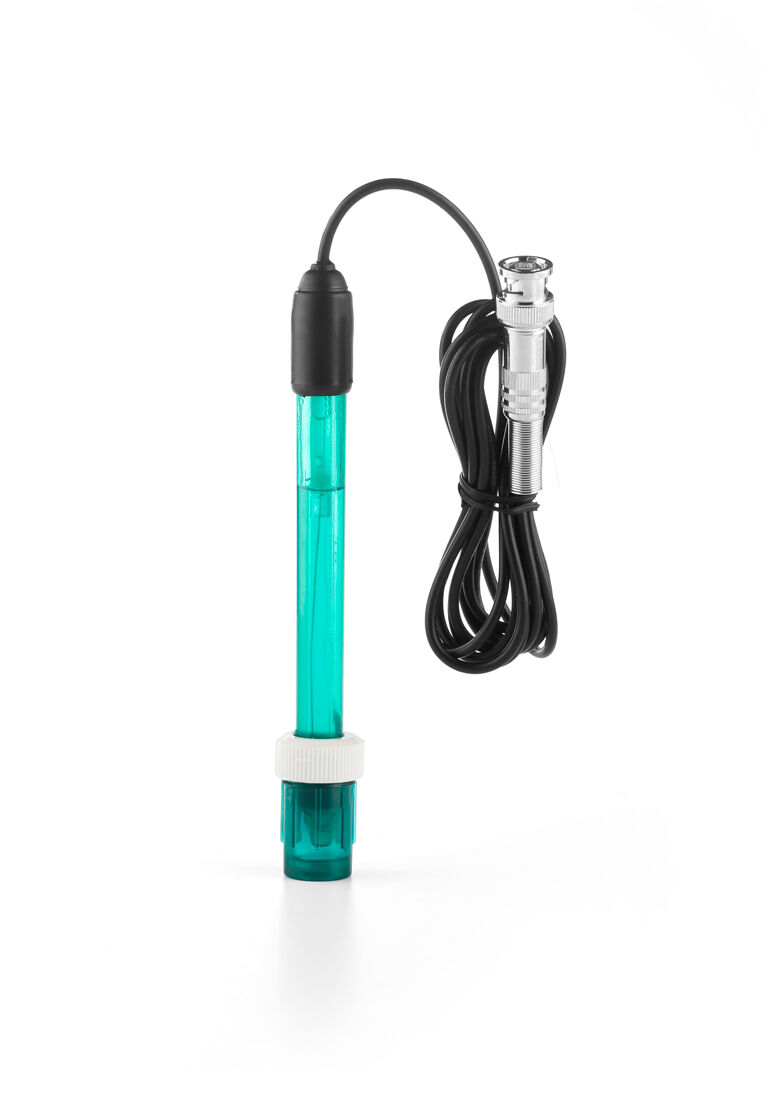
Water testing accuracy depends fundamentally on the precision and reliability of measurement instruments, with pH electrodes serving as the cornerstone of precise hydrogen ion concentration detection. Understanding how a pH electrode enhances measurement precision involves examining the electrochemical principles that enable these sensors to deliver consistent, calibrated results across diverse water testing environments.
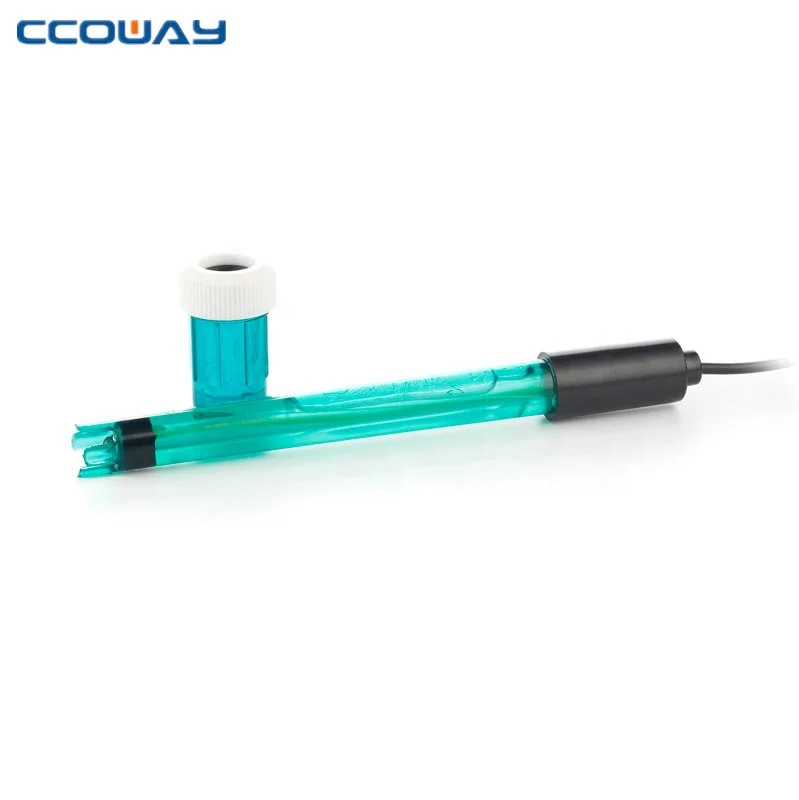
The accuracy improvement achieved through pH electrode implementation stems from their ability to provide real-time electrochemical measurements that eliminate human interpretation errors and deliver quantifiable data. Professional water testing applications require measurement precision that manual testing methods cannot consistently achieve, making pH electrode integration essential for reliable analytical results in industrial, environmental, and research contexts.
Electrochemical Measurement Principles Behind pH Electrode Accuracy
Ion-Selective Membrane Technology
The pH electrode operates through a specialized glass membrane that selectively responds to hydrogen ion activity in aqueous solutions. This ion-selective membrane contains specific chemical compositions that generate measurable electrical potential differences proportional to pH levels, creating a direct relationship between solution acidity and electrode output voltage.
The glass membrane's molecular structure allows hydrogen ions to interact with surface sites while blocking interference from other ionic species present in water samples. This selective permeability ensures that the pH electrode responds specifically to hydrogen ion concentration rather than total ionic strength, providing accurate pH measurements even in complex water matrices containing multiple dissolved substances.
Professional-grade pH electrodes incorporate specialized glass formulations optimized for different temperature ranges and chemical environments. The membrane composition directly influences measurement accuracy by determining response time, temperature coefficient, and long-term stability characteristics that affect overall testing precision.
Reference Electrode Stability Systems
The reference electrode component within pH measurement systems provides the stable potential baseline necessary for accurate pH calculations. This reference system maintains constant electrical potential regardless of sample composition changes, ensuring that voltage variations detected by the pH electrode reflect only hydrogen ion activity changes.
Advanced pH electrode designs incorporate multiple reference electrode configurations to enhance measurement stability and reduce drift effects. Double-junction reference systems provide additional chemical isolation between the reference solution and sample matrix, preventing contamination that could compromise measurement accuracy over extended testing periods.
The reference electrode's electrolyte composition and junction design significantly impact measurement precision by controlling ion migration rates and maintaining consistent electrical contact with test samples. Proper reference electrode function ensures that pH electrode measurements remain accurate across varying temperature and ionic strength conditions.
Calibration and Standardization Methods
Multi-Point Calibration Protocols
pH electrode accuracy improvement relies heavily on proper calibration procedures using certified buffer solutions with known pH values. Multi-point calibration involves testing the pH electrode response against at least two, preferably three, standard buffer solutions spanning the expected measurement range to establish accurate slope and intercept parameters.
The calibration process determines the electrode's Nernst response characteristics, which should theoretically produce 59.16 millivolts per pH unit at 25°C. Deviations from theoretical response indicate electrode condition and help operators assess measurement reliability before conducting critical water testing procedures.
Professional water testing protocols require regular calibration verification to maintain pH electrode accuracy standards. Calibration frequency depends on electrode usage intensity, sample matrix complexity, and required measurement precision, with high-accuracy applications demanding daily or per-sample calibration procedures.
Temperature Compensation Integration
Temperature significantly affects pH electrode response characteristics and sample pH values, making temperature compensation essential for accurate measurements. Automatic temperature compensation systems adjust pH readings based on real-time temperature measurements, correcting for both electrode response changes and sample pH temperature dependence.
The pH electrode response slope varies predictably with temperature according to the Nernst equation, requiring compensation calculations to maintain accuracy across different testing conditions. Integrated temperature sensors within pH electrode assemblies provide continuous temperature monitoring for automatic compensation algorithms.
Manual temperature compensation procedures require operators to input sample temperature data for proper pH calculations. While less convenient than automatic systems, manual compensation can achieve equivalent accuracy when temperature measurement and compensation calculations are performed correctly using appropriate correction factors.
Signal Processing and Digital Enhancement
Analog-to-Digital Conversion Precision
Modern pH electrode systems incorporate high-resolution analog-to-digital converters that minimize quantization errors and improve measurement precision. The conversion resolution directly affects the smallest pH change that can be reliably detected and measured, with higher resolution enabling more precise water testing applications.
Signal conditioning circuits amplify and filter the pH electrode voltage signal before digital conversion, reducing electrical noise and improving signal-to-noise ratios. These preprocessing stages help maintain measurement accuracy in electrically noisy environments where electromagnetic interference could affect electrode signal quality.
Digital signal processing algorithms can implement additional filtering, averaging, and stability detection functions that further enhance pH electrode measurement accuracy. These processing methods help distinguish between genuine pH changes and temporary signal fluctuations caused by sample mixing or electrical interference.
Data Logging and Trend Analysis
Digital pH electrode systems enable continuous data logging capabilities that improve testing accuracy through trend analysis and statistical processing. Logged pH measurements can reveal systematic variations, drift patterns, and measurement stability characteristics that help operators optimize testing procedures and electrode maintenance schedules.
Automated data recording eliminates transcription errors associated with manual pH recording and provides complete measurement histories for quality assurance purposes. Time-stamped pH data allows correlation with other water quality parameters and environmental conditions that may influence measurement accuracy.
Statistical analysis of logged pH electrode data can identify measurement outliers, calculate confidence intervals, and determine measurement uncertainty values required for formal water testing documentation. These analytical capabilities support quality control procedures and regulatory compliance requirements in professional testing applications.
Sample Handling and Matrix Effects
Sample Preparation Optimization
Proper sample handling procedures significantly impact pH electrode measurement accuracy by ensuring representative samples and minimizing contamination effects. Sample collection, storage, and preparation methods must preserve original pH values while avoiding chemical changes that could affect measurement results.
The pH electrode requires adequate sample volume and proper immersion depth to achieve accurate measurements. Insufficient sample volume or incorrect electrode positioning can create measurement errors due to incomplete electrical circuit formation or localized concentration gradients around the electrode surface.
Sample temperature equilibration before pH measurement helps ensure accurate readings and proper temperature compensation function. Rapid temperature changes can cause temporary pH electrode response delays and measurement instability that compromise testing accuracy until thermal equilibrium is achieved.
Interference Mitigation Strategies
Various chemical species present in water samples can interfere with pH electrode function and reduce measurement accuracy. Alkaline error occurs at high pH levels when sodium ions begin to respond at the glass membrane, while acid error can affect measurements in very acidic solutions with low ionic strength.
Specialized pH electrode designs incorporate modified glass compositions and enhanced reference systems to minimize interference effects in challenging sample matrices. Low-sodium error electrodes maintain accuracy in high-pH applications, while specialized reference solutions reduce junction potential variations in samples with unusual ionic compositions.
Sample pretreatment methods can remove or neutralize interfering substances that affect pH electrode accuracy. Filtration removes particulate matter that could clog reference junctions, while chemical conditioning can eliminate specific interferents without significantly altering sample pH values.
Maintenance and Quality Assurance
Electrode Conditioning Procedures
Regular pH electrode conditioning maintains measurement accuracy by preserving glass membrane hydration and reference junction function. Proper storage solutions keep electrode surfaces chemically active and prevent contamination buildup that could compromise measurement precision over time.
Cleaning protocols remove accumulated deposits and contaminants from pH electrode surfaces without damaging sensitive glass membranes. Different cleaning methods address specific types of contamination, with appropriate selection based on sample matrix characteristics and observed electrode performance changes.
Electrode regeneration procedures can restore accuracy in pH electrodes showing degraded performance characteristics. These treatments involve specific chemical exposures and conditioning steps designed to rejuvenate glass membrane responsivity and reference electrode stability.
Performance Verification Methods
Routine performance checks verify pH electrode accuracy through comparison measurements with independent reference methods or fresh electrode systems. These verification procedures help detect gradual accuracy degradation before it significantly impacts water testing results.
Response time testing evaluates pH electrode dynamic performance by measuring stabilization time in buffer solutions. Slow response times may indicate membrane fouling, reference junction problems, or internal electrical issues that require maintenance attention to restore proper accuracy.
Slope and offset monitoring tracks pH electrode calibration parameters over time to identify trends indicating accuracy degradation. Systematic changes in these parameters provide early warning of electrode problems and help determine optimal replacement timing for critical testing applications.
FAQ
How often should a pH electrode be calibrated to maintain testing accuracy?
pH electrode calibration frequency depends on usage intensity and accuracy requirements, but most professional applications require daily calibration or calibration before each testing session. High-precision work may require calibration verification between samples, while routine monitoring applications might maintain accuracy with weekly calibration schedules. The electrode's stability characteristics and sample matrix complexity also influence optimal calibration frequency.
What factors cause pH electrode accuracy to decrease over time?
pH electrode accuracy naturally decreases due to glass membrane aging, reference junction contamination, and electrolyte depletion within the reference system. Chemical attack from aggressive samples, temperature cycling, and mechanical damage can accelerate accuracy degradation. Proper storage, regular cleaning, and appropriate sample handling procedures help maximize electrode lifespan and maintain measurement accuracy longer.
Can a pH electrode provide accurate measurements in all types of water samples?
While pH electrodes work accurately in most water samples, certain conditions can affect measurement precision. Very pure water with low ionic strength may cause unstable readings, while highly alkaline solutions can produce sodium error in standard glass electrodes. Samples containing fluoride, high concentrations of organics, or extreme temperatures may require specialized electrode designs or sample pretreatment for optimal accuracy.
How do you know if a pH electrode is providing accurate measurements?
pH electrode accuracy verification involves checking calibration slope values, response time, and stability in buffer solutions. A properly functioning electrode should achieve 95-105% of theoretical Nernst slope, stabilize within 30 seconds in fresh buffers, and maintain stable readings without significant drift. Comparison with a second electrode or independent pH measurement method provides additional accuracy confirmation for critical applications.