 EN
EN

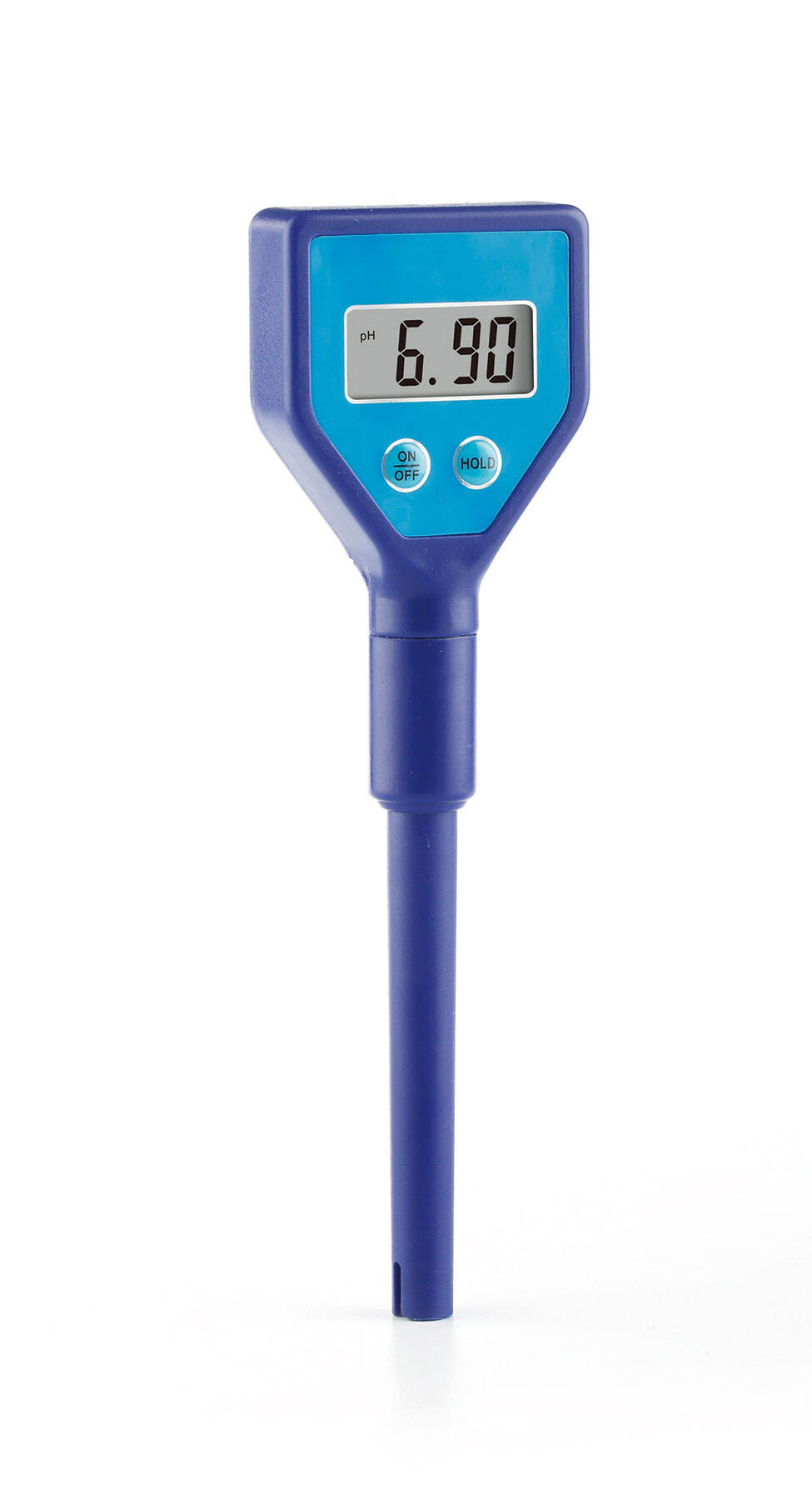
Water quality management is one of the most critical responsibilities in aquaculture, industrial processing, environmental monitoring, and wastewater treatment. At the heart of this discipline lies the measurement of dissolved oxygen — a parameter that directly influences aquatic health, microbial activity, and operational efficiency. A DO meter is the instrument professionals rely on to accurately quantify oxygen levels in water, and its role in modern water quality management has expanded significantly as industries demand tighter control and more reliable data.
The short answer is yes — a DO meter can meaningfully improve water quality management across a wide range of applications. However, the degree of improvement depends on how the instrument is used, how frequently measurements are taken, and how well operators interpret and act on the data. This article explores the conditions, mechanisms, and practical benefits that make a DO meter an indispensable tool for anyone serious about maintaining water quality standards.
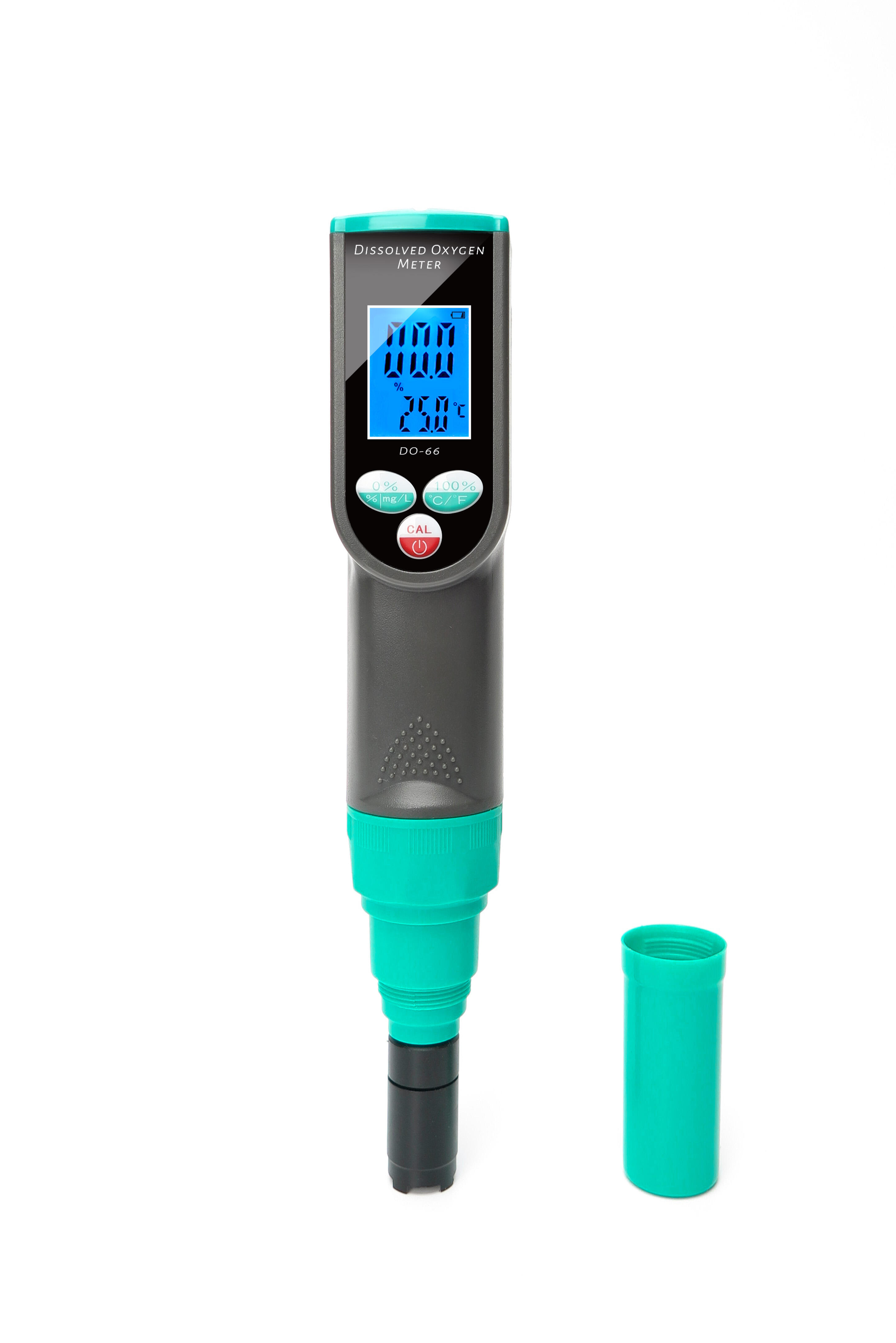
Understanding What a DO Meter Actually Measures
The Science Behind Dissolved Oxygen Readings
Dissolved oxygen refers to the concentration of oxygen molecules that are physically dissolved in water, typically expressed in milligrams per liter (mg/L) or percentage saturation. Unlike oxygen bound in chemical compounds such as water molecules themselves, dissolved oxygen is freely available for aerobic organisms and biochemical processes. A DO meter measures this freely available oxygen using either electrochemical sensors or optical luminescence technology, delivering readings that reflect the current biological and chemical state of the water body.
Oxygen levels in water are dynamic. They fluctuate based on temperature, salinity, pressure, biological oxygen demand, and the presence of organic matter. A DO meter captures these fluctuations in real time, giving operators a continuous window into a parameter that cannot be visually observed. Without this measurement, it is nearly impossible to make informed decisions about aeration, chemical dosing, or biological treatment adjustments.
Modern pen-type and handheld DO meter designs have made this measurement highly accessible. Industrial water testing no longer requires laboratory equipment or lengthy sample processing. A field-grade DO meter can deliver accurate readings within seconds, making on-the-spot decision-making both practical and reliable.
Why Dissolved Oxygen Is Central to Water Quality
Dissolved oxygen is often described as the single most important indicator of water health in biological systems. In aquaculture tanks and ponds, oxygen deficiency stresses fish and other aquatic organisms, reduces feeding activity, suppresses immune function, and can lead to mass mortality events within hours. In wastewater treatment, aerobic bacteria that break down organic pollutants require a steady supply of dissolved oxygen to function efficiently. If oxygen drops too low, these bacteria die off or become dormant, causing treatment performance to collapse.
In industrial process water and cooling systems, low dissolved oxygen can accelerate corrosion of metal components, while excessively high levels can cause issues in certain chemical processes. The DO meter therefore serves not only as a biological health indicator but also as a process control and infrastructure protection tool. Understanding what is happening with oxygen levels at any given moment is the foundation of proactive water quality management rather than reactive crisis response.
How a DO Meter Improves Operational Decision-Making
Enabling Real-Time Intervention
One of the most direct ways a DO meter improves water quality management is by enabling real-time intervention. Before the widespread availability of portable DO meter devices, operators had to rely on visual observation, delayed laboratory results, or reactive responses to visible signs of distress such as fish gasping at the surface or foul odors from treatment tanks. By the time these symptoms appear, significant damage has often already occurred.
With a DO meter in hand, a technician can walk a production pond, check oxygen levels at multiple points, and identify low-oxygen zones before stress becomes visible. This spatial monitoring is particularly valuable in large aquaculture operations where stratification causes oxygen to vary dramatically at different depths and locations. A DO meter makes invisible gradients visible and actionable.
In wastewater aeration basins, continuous or frequent DO meter readings allow operators to modulate aeration blower speeds in response to actual oxygen demand rather than running blowers at fixed schedules. This not only protects treatment performance but also reduces energy consumption — a meaningful operational cost saving that is directly enabled by accurate DO meter data.
Supporting Compliance and Regulatory Reporting
Environmental regulations in many jurisdictions require water treatment facilities to maintain dissolved oxygen above minimum thresholds before discharge into natural water bodies. A DO meter provides the documented evidence needed to demonstrate compliance with these standards. Regular, timestamped readings from a calibrated DO meter form part of the operational log that regulatory bodies may inspect during audits or environmental incidents.
Beyond legal compliance, many industrial and municipal water managers use DO meter data to benchmark treatment performance over time. Trends in dissolved oxygen levels can reveal whether system upgrades are delivering the expected improvements or whether seasonal changes in influent load are degrading treatment efficiency. This longitudinal use of DO meter data transforms it from a point-in-time tool into a strategic management resource.
Practical Applications Where a DO Meter Delivers Measurable Value
Aquaculture and Fish Farming
Aquaculture is arguably the environment where a DO meter has the most direct and visible impact on outcomes. Fish farmers who use a DO meter consistently report fewer mortality events, better feed conversion ratios, and healthier stock compared to those who rely on intuition or infrequent testing. Oxygen is consumed rapidly by fish, feed decomposition, and microbial activity, meaning levels can crash within a few hours under high-density stocking conditions or warm temperatures.
A pen-type DO meter is particularly practical for aquaculture applications. Its compact form allows farm staff to quickly check water quality across multiple tanks or pond sections during feeding rounds or early morning checks when oxygen is typically at its lowest. Identifying which areas require emergency aeration or water exchange is made straightforward with a DO meter that delivers instant, accurate readings without calibration delays.
The economic argument for regular DO meter use in aquaculture is compelling. A single mortality event in a high-density shrimp or salmon operation can represent losses far exceeding the cost of an instrument. Consistent DO meter monitoring is therefore not just a best practice — it is a risk management strategy with a measurable return on investment.
Industrial Water Treatment and Process Control
Industrial facilities that use water in manufacturing, cooling, or effluent treatment benefit from DO meter monitoring in multiple ways. In biological wastewater treatment, maintaining dissolved oxygen in the optimal range for aerobic bacteria — typically between 2 and 4 mg/L — maximizes organic removal efficiency. Using a DO meter to verify these conditions ensures that treatment processes are operating as designed, not just assumed to be functioning correctly.
In process water applications, a DO meter helps detect oxygen ingress or depletion that could affect product quality or equipment longevity. Breweries, pharmaceutical manufacturers, and food processors all have specific oxygen tolerances in various stages of production. A DO meter provides the verification layer that confirms these tolerances are being maintained, protecting product quality and reducing the risk of batch failures attributable to water chemistry deviations.
Choosing the Right DO Meter for Your Application
Key Features That Affect Measurement Quality
Not all DO meter instruments perform equally across all conditions. The choice of measurement technology — electrochemical versus optical — affects response time, maintenance requirements, and accuracy at low oxygen concentrations. Optical DO meter sensors tend to require less frequent calibration and are less affected by flow rate variations, making them preferable for continuous monitoring or low-maintenance field deployments. Electrochemical sensors are well-established and cost-effective for routine spot checks in controlled environments.
Temperature compensation is an essential feature in any quality DO meter. Since oxygen solubility decreases as water temperature increases, a DO meter that automatically adjusts its readings for temperature variations provides more reliable data across different operating conditions. Salinity compensation is equally important for marine aquaculture or coastal monitoring applications, where elevated salt content reduces oxygen solubility compared to freshwater at the same temperature.
Display resolution, data logging capability, and probe durability are practical considerations that influence the usability of a DO meter in field versus laboratory settings. A robust pen-type DO meter designed for industrial water testing typically balances portability with accuracy, offering a pragmatic solution for technicians who need reliable readings without the complexity of benchtop laboratory equipment.
Calibration and Maintenance Considerations
A DO meter is only as accurate as its calibration state. Most field-grade instruments require calibration against air-saturated water or a known oxygen standard at a defined temperature. Establishing a regular calibration schedule — typically before each measurement session or daily for continuous monitoring — ensures that DO meter readings remain trustworthy and defensible in both operational and regulatory contexts.
Probe maintenance is equally important. Membrane-based electrochemical sensors can become fouled by biofilm, suspended solids, or chemical deposits, degrading accuracy over time. Regular cleaning and membrane replacement are part of responsible DO meter stewardship. Optical sensors are generally less prone to fouling but still require periodic inspection and cap replacement. Understanding the maintenance demands of a specific DO meter model before purchase helps prevent performance degradation in the field.
Limitations and Conditions That Affect DO Meter Performance
Environmental and Sample Conditions
A DO meter performs best when used correctly within its specified operating range. Extremely turbid water, water with high concentrations of hydrogen sulfide, or samples containing strong oxidizing agents can interfere with certain sensor technologies and produce inaccurate readings. Operators should be aware of these limitations and select a DO meter model with interference resistance characteristics suited to their specific water chemistry.
Measurement technique also matters. Allowing the probe to equilibrate before recording a reading, ensuring adequate water flow past the sensor, and avoiding air bubbles near the probe tip are basic field practices that significantly affect the reliability of DO meter data. Even a high-quality instrument can produce misleading results if measurement technique is inconsistent or careless.
Data Interpretation and Operational Response
A DO meter improves water quality management only if the data it generates is correctly interpreted and acted upon. A reading of 3 mg/L means very different things in an aquaculture tank versus a membrane bioreactor versus a drinking water reservoir. Operators must understand the optimal dissolved oxygen range for their specific application and have clear protocols for what actions to take when readings fall outside those ranges.
Training plays an important role here. The value of a DO meter is maximized when the people using it understand not just how to operate the instrument but how dissolved oxygen dynamics relate to the broader biological and chemical context of the system they are managing. Investing in operator training alongside instrument procurement ensures that DO meter data translates into genuinely better management decisions rather than numbers that are recorded but not acted upon.
FAQ
How often should I use a DO meter to check water quality?
The appropriate frequency depends on the application. In high-density aquaculture, oxygen levels should ideally be checked at least twice daily — early morning when levels are lowest and mid-afternoon when photosynthesis may have elevated them. In wastewater treatment, continuous or hourly monitoring is common in automated systems. For industrial process checks, a DO meter is typically used during routine inspections or when process conditions change. More frequent measurement generally provides better data for proactive management.
Can a DO meter replace laboratory water quality testing?
A DO meter is a specialized instrument focused on dissolved oxygen and cannot replace the full breadth of laboratory water quality testing, which covers parameters such as pH, turbidity, heavy metals, microbial counts, and nutrient levels. However, for dissolved oxygen specifically, a well-calibrated field DO meter delivers accuracy comparable to laboratory methods. It is best viewed as a complementary tool that provides rapid, actionable data in the field while laboratory testing addresses a broader range of parameters on a scheduled basis.
Is a pen-type DO meter accurate enough for professional use?
Yes, modern pen-type DO meter devices are engineered to meet professional accuracy standards and are widely used in aquaculture operations, environmental monitoring programs, and industrial water testing. The key factors that determine accuracy are sensor quality, calibration discipline, and correct measurement technique rather than form factor alone. A well-maintained pen-type DO meter can deliver readings accurate to within 0.1 to 0.2 mg/L, which is sufficient for most operational decision-making and regulatory compliance applications.
What is the ideal dissolved oxygen level that a DO meter should show for healthy water?
The ideal dissolved oxygen level varies by application. For freshwater fish aquaculture, most species thrive between 6 and 9 mg/L. Marine aquaculture targets are similar, adjusted for salinity effects on solubility. In aerobic wastewater treatment, operators typically aim to maintain 2 to 4 mg/L in aeration zones. Natural receiving waters are generally considered healthy above 5 mg/L. A DO meter reading below the minimum threshold for a given application is a clear signal that corrective action is required, regardless of the specific context.